
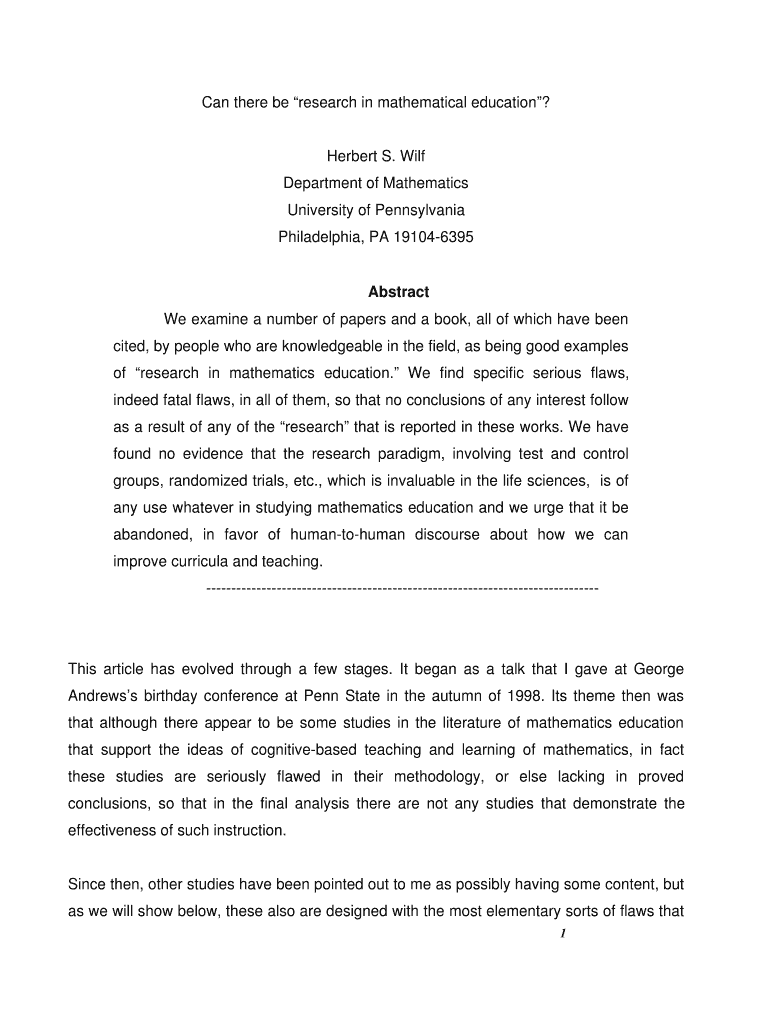







Importance of Research in Mathematics Education
Research in mathematics education is critical because it underpins the development of effective teaching strategies, curricula, and educational policies. It helps educators understand how students learn mathematical concepts, what challenges they face, and which teaching methods are most effective. Through rigorous methodologies, researchers can explore diverse learning environments to identify what facilitates or hinders student learning in mathematics. The insights gained guide improvements in instructional practices, ensuring that educational approaches are evidence-based and strategically aligned with students' needs.
Methodological Approaches in Mathematics Education Research
Mathematics education research employs various methodological approaches. Qualitative methods, such as case studies and ethnographies, provide deep insights into classroom dynamics and students' mathematical thinking processes. Quantitative research, involving statistical analyses and experimental designs, helps quantify learning outcomes and the effectiveness of different teaching methods. Mixed-methods research combines both qualitative and quantitative techniques, providing a comprehensive view of educational phenomena. Selecting the appropriate methodology is essential for drawing valid and reliable conclusions about mathematics education.
Key Components of Effective Mathematics Education Research
Effective research in this field typically includes several core components:
- Clear Research Questions: Formulating precise questions that the study aims to answer.
- Robust Methodology: Employing appropriate research designs, sampling methods, and data analysis techniques.
- Comprehensive Literature Review: Contextualizing the study within existing research, identifying gaps, and justifying the research focus.
- Data Collection and Analysis: Utilizing reliable instruments for data collection and employing rigorous data analysis processes.
- Implication for Practice: Discussing how findings can inform and improve educational practice and policy.
Challenges in Conducting Research in Mathematics Education
Numerous challenges can arise when conducting research in mathematics education:
- Complex Classrooms: Diverse student backgrounds and learning styles make it difficult to isolate educational variables.
- Ethical Concerns: Ensuring informed consent and protecting the privacy and well-being of participants.
- Resource Limitations: Limited funding and access to resources can constrain research scope and scale.
- Researcher Bias: Personal beliefs and experiences of researchers potentially influencing study design and interpretation.
- Variability in Curriculum: Differences in curricular emphasis can impact the generalizability of study findings.
Prominent Theories Guiding Mathematics Education Research
Several theoretical frameworks guide contemporary research in mathematics education:
- Constructivism: Emphasizing that learners construct knowledge through experiences and prior understanding.
- Situated Learning Theory: Focusing on the context in which learning occurs and the social interactions that support it.
- Cognitive Load Theory: Addressing the mental effort involved in learning processes and how instructional design can optimize learning.
- Social Learning Theory: Highlights the role of observation and modeling in acquiring new skills and knowledge.
Application of Research Findings in Educational Settings
Research findings in mathematics education are applied in various educational settings to make informed decisions:
- Curriculum Development: Informing the content and structure of mathematics programs to enhance learning outcomes.
- Teacher Training: Providing insights to shape professional development programs that equip teachers with effective instructional strategies.
- Policy Making: Influencing educational policies regarding standards, assessments, and resource allocation.
- Classroom Practices: Guiding everyday teaching practices with evidence-based strategies that support diverse learning needs.
Examples of Impactful Research in Mathematics Education
There are numerous examples of impactful research in mathematics education which have led to notable changes in educational practices:
- Research on student-centered learning approaches has influenced many schools to adopt active learning strategies in mathematics classrooms.
- Studies on mathematics anxiety have led to the development of interventions aimed at reducing anxiety and improving performance.
- Investigations into technology integration have supported the use of digital tools and platforms to enhance mathematical learning experiences.
Future Directions for Research in Mathematics Education
The future of research in mathematics education includes several potential directions:
- Technology in Education: Further exploring how emerging technologies such as artificial intelligence and virtual reality can enhance mathematics instruction.
- Equitable Education: Investigating strategies to reduce disparities in mathematics achievement across diverse groups of students.
- Longitudinal Studies: Conducting long-term research to understand the lasting impacts of educational interventions and curricula.
- Cross-Cultural Studies: Examining how cultural contexts influence mathematics learning and teaching globally.
These directions reflect the evolving nature of educational environments and the ongoing need for adaptive and forward-thinking research to support diverse learners.




