




01. Edit your trupanion online
Type text, add images, blackout confidential details, add comments, highlights and more.

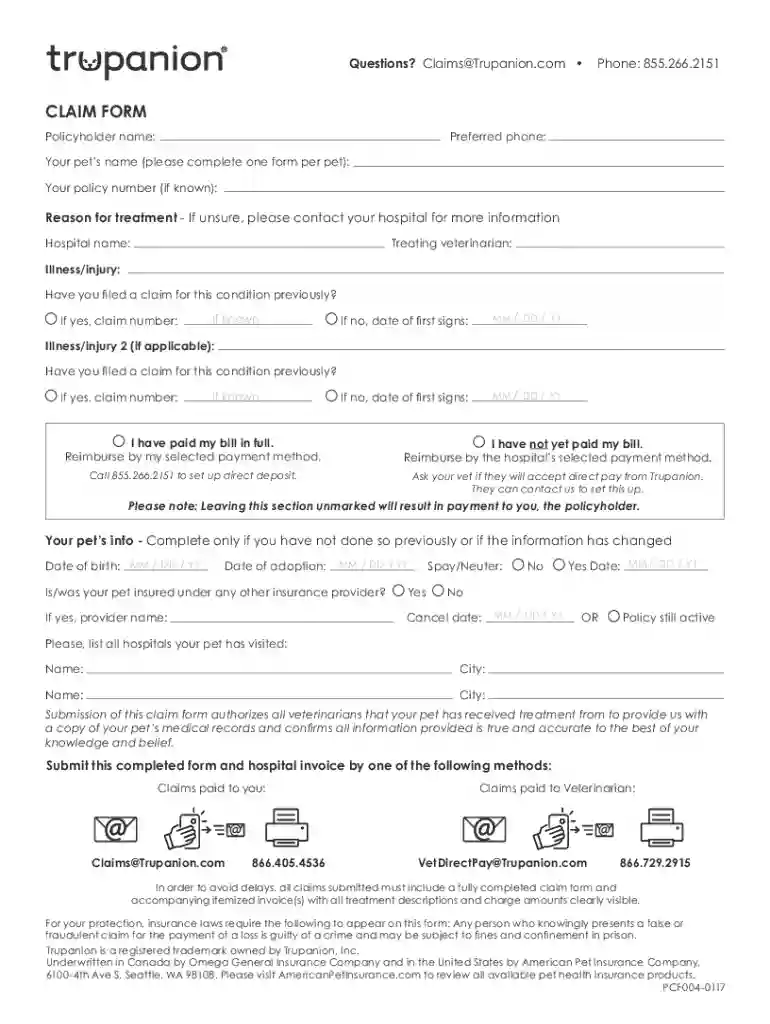
Type text, add images, blackout confidential details, add comments, highlights and more.

Draw your signature, type it, upload its image, or use your mobile device as a signature pad.

Send trupanion claim form via email, link, or fax. You can also download it, export it or print it out.
A claim form is a structured document utilized to request payment or coverage from an insurance provider, government agency, or other entity. It serves as a formal request to verify that a claim meets the specific conditions outlined in an insurance policy or legal agreement. Claim forms are essential as they provide a detailed record of the circumstances surrounding the claim, such as descriptions of the incident, affected parties, and any damages or expenses incurred. These documents are integral in the claims process, offering a standardized method for applicants to present their situations.
Using a claim form involves a series of structured steps to ensure that all required information is accurately communicated to the recipient organization. Begin by thoroughly reading the instructions that often accompany the form to understand what data is necessary. Input information such as personal details, the description of the event or transaction for which you are claiming, and any relevant policy numbers. Double-checking the entries is crucial to prevent errors that could delay processing or result in rejection. Once completed, follow the submission instructions specific to the organization, which may include mail delivery, email submission, or direct uploading through an online portal.
Collect necessary information: Gather personal identification details, policy numbers, and supporting documents related to the claim.
Understand the form’s sections: Review each section of the form to determine what information is required.
Fill out the form: Input accurate information in the respective fields. This includes policyholder information, incident details, and payment preferences.
Attach supporting documents: Include copies of any bills, receipts, or official reports that substantiate the claim.
Review for accuracy: Ensure that all information is correct and that no fields are left blank unless they are marked as optional.
Submit the form: Send the completed form and attachments using the preferred method indicated by the issuing organization.
A claim form typically includes several critical elements that users must understand:
To support the claims process, several documents are typically necessary:
Claim forms are commonly used by individuals and businesses after a qualifying event that entitles them to receive payment or reimbursement from an insurance policy or other coverage plans. This includes:


In the U.S., the use of claim forms must comply with federal and state insurance regulations. The information provided must be truthful; any fraudulent claims can result in legal actions, including fines or imprisonment. Insurance companies are required to process these forms in accordance with the Fair Claims Settlement Practices Regulations, ensuring that policyholders are treated justly. Additionally, the claim form often serves as a legal document, providing evidence of the claimant's request for benefits as originally stipulated in their insurance contract.
Consider a pet owner who needs to use a claim form following a vet visit:
Veterinary Visit: After a dog suffers an injury and is taken for emergency care, the owner uses a claim form to seek reimbursement for medical expenses from their pet insurance provider. They fill out the necessary injury details and treatment costs on the form.
Accident Report: A car accident victim completes a claim form with their auto insurer to cover repairs. They include a police report and estimate from the repair shop as supplementary documentation.
These use cases illustrate the claim form's role in facilitating compensation processes for various types of incidents requiring official reimbursement or payment.
We've got more versions of the trupanion form. Select the right trupanion version from the list and start editing it straight away!
At DocHub, your data security is our priority. We follow HIPAA, SOC2, GDPR, and other standards, so you can work on your documents with confidence.

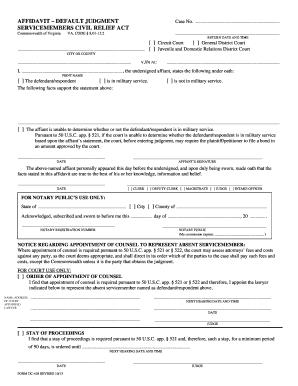
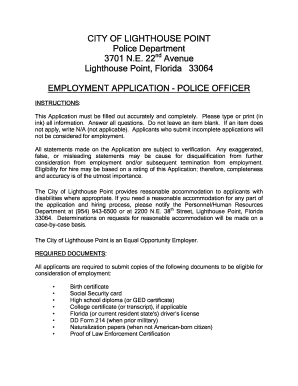
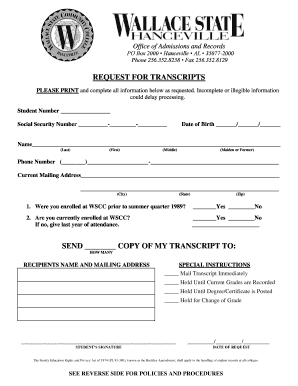

For questions regarding the claim form, please contact the Commission toll-free at 1-877-664-2566 or by email at Questions@workcomp.virginia.gov.Read more
If you have any questions about how to submit your Claims, please call the Customer Service # 1-800-414-SHBP (7427). WHERE TO SUBMIT YOUR CLAIMRead more


