




Definition and Meaning of "Form Online"
In today's digital landscape, the term "form online" refers to the ability to create, edit, sign, and submit various types of forms over the internet. Online forms simplify document management by enabling individuals and businesses to handle forms such as applications, contracts, and registration documents without the need for physical paperwork. They offer a versatile solution for efficient data collection and interaction with digital content.
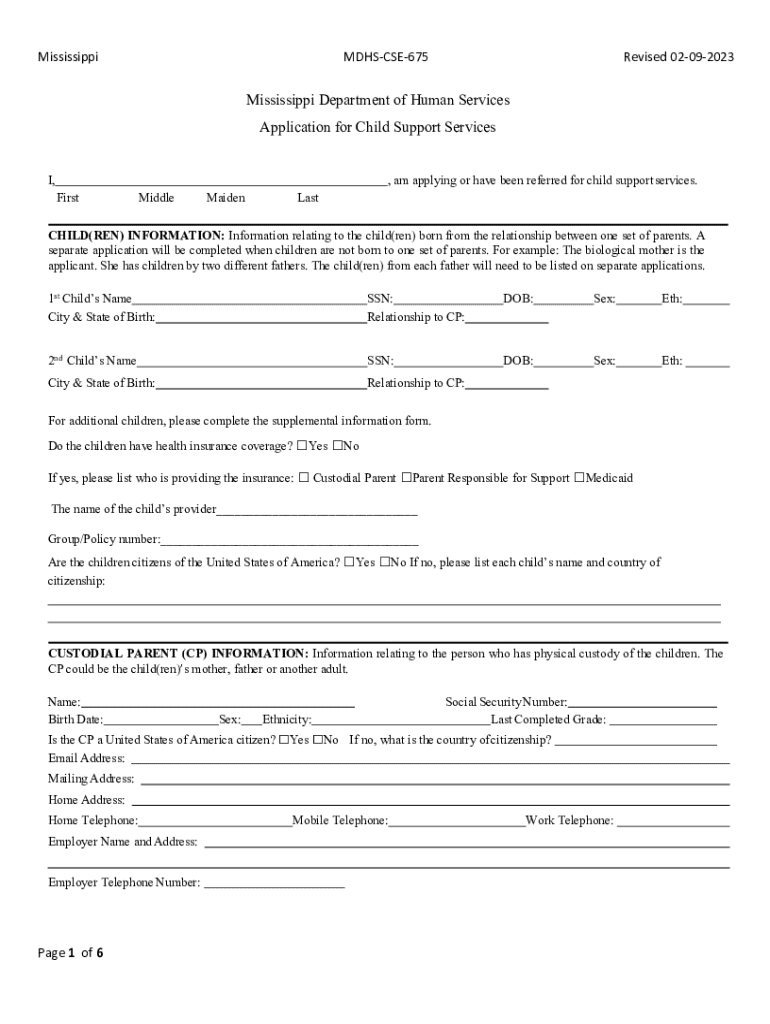
Online forms typically mimic traditional paper forms but incorporate interactive elements like fillable fields, checkboxes, and dropdown menus, making them more user-friendly and efficient. These forms are integral to streamlining processes in both personal and professional contexts, ensuring that data is captured accurately and securely.
How to Use the Form Online
Utilizing forms online involves several straightforward steps. First, locate the appropriate form for your needs, which may be hosted on specific websites or platforms like DocHub. After opening the form, you can fill out required fields directly within your web browser. Modern tools allow for real-time saving, ensuring that your data is not lost unexpectedly.
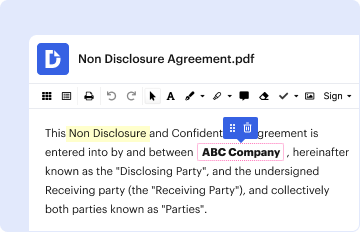
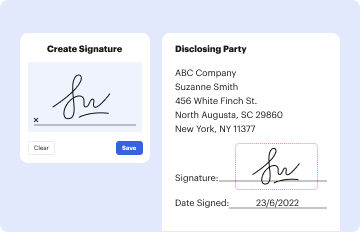
Secondly, many online platforms provide options to customize forms by adding text, images, or signatures. This customization ensures that all necessary information is reflected and that any additional instructions or clarifications can be included. Once completed, the form can often be submitted directly online, saving time and reducing the need for printed copies.
How to Obtain the Form Online
Obtaining forms online is typically a straightforward process. To start, visit the website or digital platform where the form is hosted. For example, platforms like DocHub offer direct access to a variety of form templates across different categories. Many organizations also provide downloadable PDFs or links to their online forms via their official websites or customer service portals.
Once located, you can usually download, fill, or sign the form electronically. If you require multiple copies or specific versions, these platforms often have the capability to save and duplicate forms for repeated use. This access and flexibility make online forms an attractive alternative to traditional paper forms.
Steps to Complete the Form Online
- Access the Form: Navigate to the specific platform, such as DocHub, and locate your desired form.
- Fill Out Required Sections: Enter your details in the provided fields. Use text boxes for written information and dropdown menus or checkboxes for selections.
- Add Additional Information: Insert images or annotations if required for further clarification.
- Review and Edit: Double-check all entries for accuracy.
- Sign the Form: Use electronic signature options to sign the document legally.
- Submit the Form: Follow the platform's guidelines to submit the form online securely.
These steps ensure a comprehensive understanding of the online form completion process, enhancing user confidence and accuracy.
Why Opt for Online Forms
Selecting online forms provides numerous benefits over traditional paper forms. They offer an environmentally friendly solution by significantly reducing paper usage and physical document storage needs. Moreover, online forms can be accessed and filled out from anywhere with an internet connection, ensuring convenience and flexibility.
Security is another critical advantage; online platforms typically incorporate encryption and authentication measures to protect user data, reducing the risk of unauthorized access. Additionally, the integration of automated workflows helps save time and ensure all necessary information is collected systematically.
Who Typically Uses Forms Online
The use of forms online spans various demographics and industries. Students often utilize them for enrollment in courses and exams, while businesses use them for contract management, employee onboarding, and client registration. Professionals across fields such as healthcare, finance, and law employ online forms for patient records, tax filings, and legal documentation, respectively.
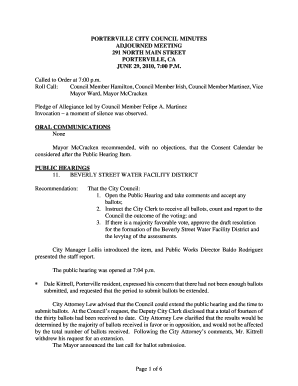
In government and public services, online forms facilitate applications for social services, permits, and licenses. Their adaptability to different needs and sectors underscores their widespread adoption and versatility.
Important Terms Related to Forms Online
- Fillable Fields: Sections within the form where users input data.
- Electronic Signature (e-signature): A digital mark that signifies agreement or approval on electronic documents.
- Encryption: The process of encoding information to protect it from unauthorized access.
- Authentication Protocols: Procedures used to verify the identity of a user accessing an online platform.
- Real-Time Synchronization: Updates that occur instantly across all versions of a document.
Understanding these terms can ease the process of interacting with online forms and highlight the technological features that support their functionality.
Legal Use of the Form Online
Forms completed and submitted online hold legal standing when handled correctly. Platforms like DocHub ensure that e-signatures adhere to legal standards, such as the ESIGN Act in the U.S., making them enforceable in legal contexts. This compliance provides users with confidence that their digital agreements are as binding as handwritten ones.
Online forms are also typically subject to data protection laws, ensuring that personal information is handled according to legal regulations. Users should ensure they are familiar with these regulations, especially when dealing with sensitive information or international data transfers.
Example Uses of Forms Online
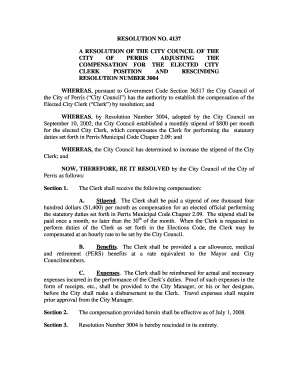
Real-world applications of online forms include student loan applications, job applications, and voter registration. For instance, businesses might use them for client feedback surveys, while nonprofits might leverage them for volunteer registration or donation pledges. These examples illustrate the adaptability of online forms in capturing a wide range of data needs efficiently.
Online forms can also simplify annual tax submissions, especially for individuals and small businesses managing multiple financial documents. By transitioning to online documents, users can streamline their tax preparation and reduce the likelihood of manual errors.
By exploring these facets, one can effectively navigate the myriad uses and benefits of forms online, ensuring both personal and business tasks are handled proficiently and securely.