




Definition and Meaning
A "sample of informational report" serves as a guiding template for drafting reports that provide data, analysis, and insights on specific topics. Unlike persuasive or argumentative reports, informational reports emphasize facts, presenting data clearly without inferring judgments or recommendations. These reports are crucial in various fields like business, education, and science, where relaying objective information is essential. An example might be a report detailing the quarterly performance metrics of a company or an analysis of consumer behavior trends in a given market.
Key Elements of the Sample of Informational Report
Key elements of an informational report include:
- Title Page: Outlines the report's title, author's name, date, and often the intended audience.
- Table of Contents: Provides an overview of the report's sections for easier navigation.
- Executive Summary: Offers a concise summary of the main points and findings, allowing the reader to understand the report's core purpose quickly.
- Introduction: Sets the stage by defining the report's objective, scope, and the context in which the information is presented.
- Body Sections: Each section details specific aspects of the topic. Subsections and bullet points are used for clarity.
- Conclusion: Summarizes the key findings without introducing new information, reinforcing the information presented in the body.
- References: Lists sources, ensuring the credibility of the data and supporting further exploration of the topic.
Including these elements ensures that the report is comprehensive, organized, and easily digestible.
Steps to Complete the Sample of Informational Report
-
Define the Objective: Start by clearly understanding the purpose and audience of the report.
-
Collect Data: Gather relevant information, statistics, facts, and other data needed for the report.
-
Organize Information: Structure the data collected in a logical, sequential manner corresponding to the report's outline.
-
Draft the Report: Begin writing the report based on the predefined structure, ensuring clarity and conciseness.
-
Review and Edit: Check for factual accuracy, coherence, and proper grammar. Also, ensure that the data supports the objective.
-
Finalize: Format the report, include visuals if necessary, and prepare it for distribution.
Following these steps ensures that the informational report is thorough, accurate, and effectively communicates the intended message.
How to Obtain the Sample of Informational Report
Obtaining a sample of an informational report can be done in several ways:
-
Online Templates: Many websites offer free downloadable templates that can be customized based on specific needs.
-
Educational Resources: Libraries and educational institutions frequently provide access to a variety of report examples for academic purposes.
-
Professional Networks: Colleagues and industry contacts might share samples or experiences that provide useful insights.
Accessing these resources ensures that individuals have the necessary foundation to create effective informational reports tailored to their specific needs.
Software Compatibility
When working with the sample of informational reports, compatibility with different software can be crucial for drafting, editing, or sharing reports. Common software platforms include:
-
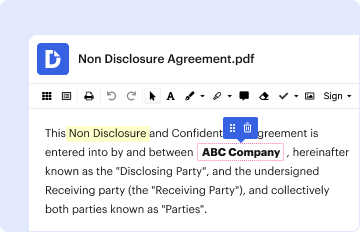
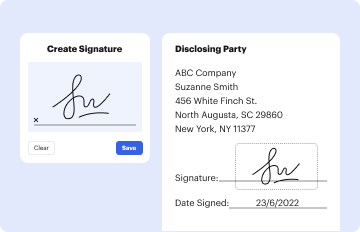
DocHub: Known for its versatility and simplicity, enabling users to edit and format documents across multiple file types directly from cloud storage.
-
Microsoft Office: Offers comprehensive tools for preparing reports, notably with Word for drafting and Excel for quantitative data analysis.
-
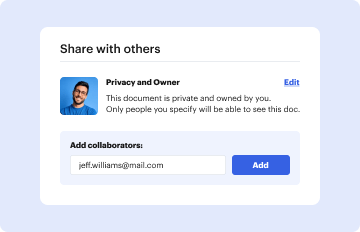
Google Workspace: Allows for seamless collaboration and editing, with Google Docs serving as a straightforward platform for creating written reports.
These software solutions facilitate the creation, sharing, and editing of informational reports, accommodating various user preferences and technical requirements.
Digital vs. Paper Version
Choosing between a digital and paper version of the sample of informational report depends on accessibility, distribution needs, and environmental considerations.
-
Digital Reports: Easy to share and duplicate, digital reports also allow interactive elements like hyperlinks and embedded media. They're environmentally friendly and convenient for remote collaboration.
-
Paper Reports: Preferred in scenarios where physical documentation is necessary, such as legal proceedings or when digital access is limited. They carry a tangible presence, which can sometimes be important for formal presentations.
The choice between digital and paper versions often hinges on the report's purpose and audience preferences, with many opting for hybrid models that incorporate both digital and print aspects.
Who Typically Uses the Sample of Informational Report
A diverse group of professionals across various fields use informational reports, including:
-
Business Executives: To analyze market trends, performance metrics, or financial data.
-
Researchers and Academics: For documenting study findings or synthesizing literature reviews.
-
Government Officials: For policy evaluations, demographic studies, or public service announcements.
-
Educators: To assess educational trends or curriculum reviews.
Understanding who uses these reports informs the design and content, ensuring the final product meets specific audience needs and expectations.

Legal Use of the Sample of Informational Report
Informational reports often involve utilizing data that requires careful compliance with legal standards:
-
Data Privacy Laws: Abiding by regulations such as the GDPR or CCPA when personal information is included ensures legality and ethical integrity.
-
Copyright Laws: Proper attribution of sourced materials safeguards against legal repercussions and maintains report credibility.
-
Confidentiality Agreements: Reports containing sensitive information might necessitate adherence to confidentiality agreements.
Understanding these legal aspects prevents potential legal issues, maintaining the integrity and utility of informational reports in various contexts.