Definition and Meaning
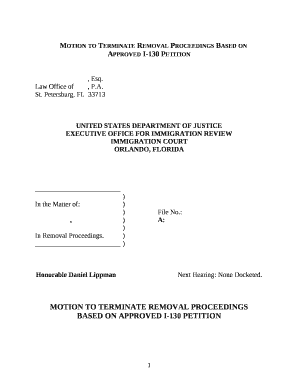
The case number "305-cv-02394-CRB" refers to a specific legal proceeding within the U.S. District Court system. This identifier is a part of the Securities Class Action cases involving Stanford Financial Group. Understanding this reference requires familiarity with securities litigation and class action lawsuits, which often involve allegations of fraud or misrepresentation by corporations to investors. The "CRB" in the case number typically signifies the presiding judge's initials or the court department handling the case. In the Stanford securities context, this case likely relates to the well-documented financial scandal involving Stanford Financial Group's Ponzi scheme, where the company was accused of defrauding investors.
Steps to Complete the Process
Navigating the complexities of a legal case, such as the 305-cv-02394-CRB, requires several precise actions:
- Identify Relevance: Initial step requires determining your connection to the case—whether you're a direct investor, legal counsel, or interested party.
- Gather Required Documents: Secure essential documents, including proof of investment, communications, and any correspondence related to the Stanford Financial case.
- Consult Legal Professionals: It is prudent to engage with a securities attorney familiar with class action suits and the Stanford case for tailored advice.
- File Relevant Motions or Claims: If applicable, file motions or claims within court-specified deadlines to ensure participation in any ongoing litigation.
- Monitor Case Developments: Stay informed about case progress through legal databases like PACER, or updates from your legal representative.
Important Terms Related to Case
Understanding specific legal terminology used in securities class actions is crucial:
- Plaintiff: The party bringing the lawsuit, often a group of investors in class actions.
- Defendant: The entity accused of wrongdoing, in this context, typically Stanford Financial or associated executives.
- Securities Fraud: The fraudulent practice of misleading investors with inaccurate or false information.
- Class Action Suit: A lawsuit where a group of people collectively bring a claim to court, allowing for efficient management of cases involving many plaintiffs.
Legal Use and Compliance
Engagement in a case like 305-cv-02394-CRB requires adhering to multiple legal guidelines:
- Adhering to Court Orders: Parties involved must comply with all procedural requirements set forth by the court, including discovery and disclosure obligations.
- Confidentiality Agreements: Many cases involve sensitive information protected by confidentiality agreements that restrict information sharing.
- Settlement Agreements: If a settlement is reached, abiding by the terms is mandatory, including any financial remuneration or injunctive relief outlined.
Key Elements of the Case
Critical elements of the case involve:
- Allegations of Fraud: Central to the case are allegations that Stanford Financial misrepresented investment opportunities.
- Financial Recovery: Efforts to recover investor funds lost due to alleged fraud.
- Judicial Decisions: Procedural rulings that determine the trajectory of the case, including class certification and summary judgments.
Examples and Scenarios
- Hypothetical Investor: An individual who invested $100,000 with Stanford Financial believing it was a safe investment may find recourse through the class action, seeking recovery of losses plus damages.
- Legal Precedent: The case could set important legal precedents for how securities class actions are adjudicated, particularly involving complex financial schemes.
Who Issues the Case Number
The U.S. Federal Court system assigns this case identifier, with oversight by specialized legal bodies such as the Securities and Exchange Commission (SEC) frequently involved due to the securities nature of the allegations. The federal judiciary manages case progression, ensuring adherence to legal standards.
Form Submission Methods
Documentary submissions within the case are generally handled through:
- Online Systems: Usage of the federal PACER system for electronic filing and access to court documents.
- Mail or In-Person: Traditional submissions to the court clerk’s office, essential for parties lacking electronic access or requiring certified document delivery for legal purposes.
Penalties for Non-Compliance
Failing to adhere to court mandates or timelines in the 305-cv-02394-CRB case could result in:
- Dismissal of Claims: Potential loss of standing in the lawsuit for plaintiffs.
- Contempt Orders: Legal penalties imposed for non-compliance with court orders, resulting in fines or other sanctions.
Form Variants and Alternatives
Cases like 305-cv-02394-CRB might involve different legal forms such as:
- Amended Complaints: Adjustments to initial filings reflecting new evidence or claims.
- Cross-claims and Motions: Auxiliary legal documents filed as part of court proceedings to address specific procedural aspects.
Business Types Benefiting from the Decision
- Investment Firms: Companies operating in finance may benefit from legal precedents shaping regulatory compliance and due diligence requirements.
- Legal Practices: Law firms specializing in securities litigation might gain insights and strategies applicable to future cases.
State-Specific Rules and Variations
While the case is federal, its principles may affect state-specific securities laws, where individual states might adapt lessons or legal standards from the federal case outcome to refine their consumer protection laws.
Quick Facts
- Jurisdiction: Federal court case due to interstate commerce implications of securities fraud.
- Case Duration: Complex securities class actions can span several years, encompassing discovery, motions, and potential appeals.
- Legal Representation: Often involves high-profile law firms specializing in class action suits and investor rights.