







Definition & Meaning
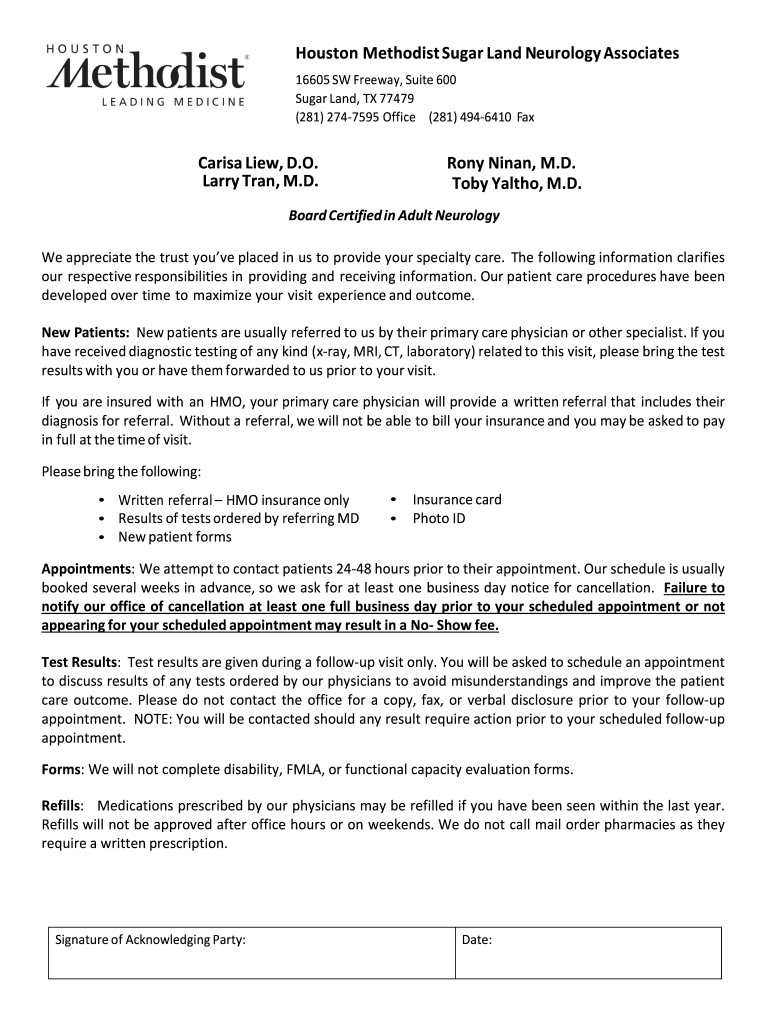
Referrals in the context of Health Maintenance Organization (HMO) insurance plans are important for managing patient care efficiently. An HMO is a type of health insurance that requires members to get a referral from their primary care physician (PCP) before they can see a specialist. This means the PCP acts as a gatekeeper, ensuring that all specialist care is necessary and properly coordinated. A written referral generally includes details such as the patient's medical history, reasons for the specialist visit, and relevant test results. This document is crucial for ensuring smooth communication between healthcare providers and enabling the insurer to verify that the services are covered under the patient's plan.
How to Use the Referral Form
-
Identification: The first step in using a referral form is ensuring that it contains your personal information such as full name, date of birth, and insurance details.
-
Primary Care Details: Your primary care physician must fill out their contact information, including their name, address, and phone number.
-
Specialist Information: The form should specify which specialist you are being referred to, including their name and specialty.
-
Reason for Referral: The PCP needs to provide a brief description of the medical necessity for the referral. This may entail noting symptoms, previous treatments, or test results that require further specialist evaluation.
-
Insurance Authorization: Upon completion, the form may need to be submitted to your insurance provider for authorization. This process can vary depending on your HMO’s policies, but it often involves forwarding the referral directly to the insurer or the specialist's office.
Steps to Obtain the Referral
-
Schedule a Visit with Your PCP: Begin by setting up an appointment with your primary care doctor to discuss your medical issue. During this visit, your PCP will assess whether a specialist's care is needed.
-
Request the Referral: If your PCP determines that you should see a specialist, ask them to provide you with the necessary referral form.
-
Ensure Completion: Make sure all required sections of the referral form are filled out accurately. This includes the PCP's signature and any additional documentation that supports the necessity of the referral.
-
Submit to the Insurer: Follow your HMO plan’s instructions to submit the referral for approval. This can often involve sending the document to the insurance company or ensuring that the specialist receives it before your appointment.
-
Confirmation: It’s advisable to confirm that the referral has been processed and approved by either the insurance provider or the specialist’s office.
Why Should You Obtain a Referral
Obtaining a referral when insured under an HMO plan is crucial for several reasons:
- Cost-Effectiveness: It ensures that your visit to a specialist is covered under your HMO plan, preventing out-of-pocket expenses.
- Coordinated Care: Referrals help maintain a comprehensive record of your medical care, aiding in better-coordinated treatment plans.
- Preventive Evaluation: By requiring that you see your PCP first, HMOs encourage preventive care, which can catch and address medical issues early on.
- Compliance: Without a referral, your insurance may deny the claim for specialist services, leading to financial and administrative burdens.
Who Typically Uses the Referral Form
Referral forms are commonly used by:
- HMO Members: Individuals and families enrolled in HMO plans, as these plans typically require PCP-generated referrals for specialist visits.
- Primary Care Physicians: Doctors who act as the initial point of care in managing a patient’s healthcare framework.
- Specialists: Medical professionals who require official documentation to provide HMO patients with services.


Key Elements of a Referral Form
A standard referral form usually contains:
- Patient Information: Name, address, date of birth, and insurance details.
- Provider Information: Details of both the referring PCP and the intended specialist.
- Medical Details: Description of the medical condition or concern, including any relevant diagnostic codes.
- Referral Purpose: Reasons for the consultation, explained in layman’s terms to avoid misunderstandings.
- Insurance Information: Policy number, group number, and any pre-authorization numbers if required.
State-Specific Rules
Different states may have specific regulations impacting referrals:
- Documentation: Some states require more extensive documentation for certain conditions.
- Approval Process: Varies state-by-state, potentially affecting the time taken for referral approval.
- Provider Networks: States might have specific rules about the networks HMO patients can access, affecting specialist choice.
Application Process & Approval Time
-
Application Initiation: The process starts with the PCP evaluating the necessity of a specialist visit.
-
Form Completion: Both the physician and the patient ensure all parts are accurately filled.
-
Submission: Once approved by the insurer, the form is submitted either to the insurer directly or to the specialist.
-
Approval Time: This can vary, but it typically takes anywhere from a few days to a few weeks depending on insurer policies and whether additional documentation is needed.
Penalties for Non-Compliance
Failing to adhere to referral requirements in an HMO plan can lead to:
- Denial of Insurance Claims: The insurer may refuse to cover specialist visits not preceded by a proper referral.
- Personal Expense: Costs for the specialist’s services will fall to the patient if the referral protocol isn't followed, potentially leading to significant financial burden.




