




01. Edit your idaho temporary employment online
Type text, add images, blackout confidential details, add comments, highlights and more.

Type text, add images, blackout confidential details, add comments, highlights and more.

Draw your signature, type it, upload its image, or use your mobile device as a signature pad.

Send it via email, link, or fax. You can also download it, export it or print it out.
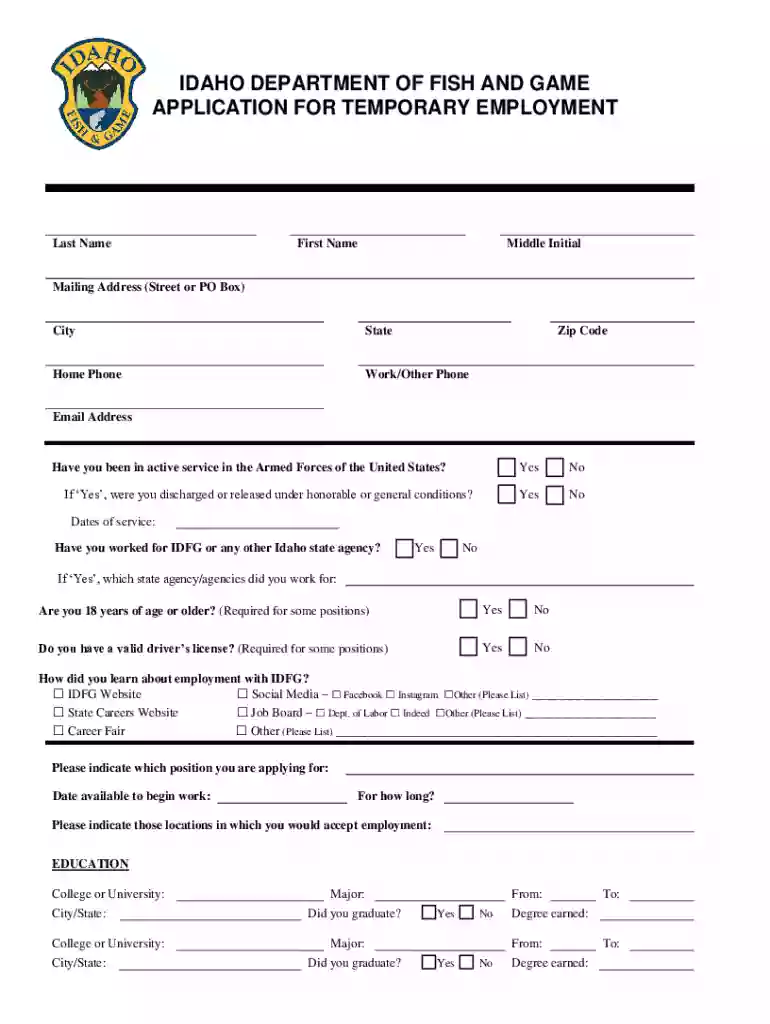
The "Application for Temporary Employment" is a structured form used primarily by organizations like the Idaho Department of Fish and Game to gather personal and professional information from potential candidates seeking short-term positions. This form plays a critical role in ensuring that only those individuals who meet the temporary employment criteria are considered, thereby streamlining the hiring process.
Applicants fill out this form by providing details such as their personal information, education, work history, and additional qualifications, which employers then use to assess candidates' suitability for available roles. The document also requires information regarding military service, age, and driver's license status, helping to verify the applicant's background and capabilities effectively.
Using the "Application for Temporary Employment" involves several structured steps, ensuring applicants provide comprehensive and accurate information. This process begins by reading the form in its entirety before starting to fill it out. Applicants should pay close attention to the instructions provided, ensuring each section is completed correctly and in full.
As each candidate’s application represents their experience and qualifications, accuracy and honesty are crucial to ensure your application is given due consideration.
Obtaining the "Application for Temporary Employment" form typically involves a few straightforward steps, allowing potential candidates to access the document quickly. Organizations like the Idaho Department of Fish and Game may offer multiple methods for obtaining this form:
Understanding the availability of these forms ensures candidates can begin the application process promptly and efficiently.
Completing the "Application for Temporary Employment" requires careful attention to detail, following several structured steps to ensure the form is filled out correctly:
Following these detailed steps minimizes errors and increases the likelihood of advancing in the application process.
The "Application for Temporary Employment" is composed of several key elements that applicants must complete:
Each section is critical, providing a comprehensive overview of the candidate’s qualifications and compliance with the organization’s hiring prerequisites.
The "Application for Temporary Employment" is primarily utilized by individuals seeking short-term employment opportunities. These applicants might include:
Organizations might utilize this application method to manage workforce demands due to seasonal shifts or project-based work requiring specific skills for a fixed duration.


Navigating the application process and understanding the approval timeline for the "Application for Temporary Employment" is crucial for applicants seeking swift employment:
Understanding this process helps applicants set realistic expectations regarding timelines and increases preparedness for each stage.
State-specific rules can significantly impact how the "Application for Temporary Employment" must be completed and submitted:
These state-specific details ensure compliance with local laws, allowing for a more accurate and lawful application process tailored to regional guidelines.
We've got more versions of the idaho temporary employment form. Select the right idaho temporary employment version from the list and start editing it straight away!
At DocHub, your data security is our priority. We follow HIPAA, SOC2, GDPR, and other standards, so you can work on your documents with confidence.

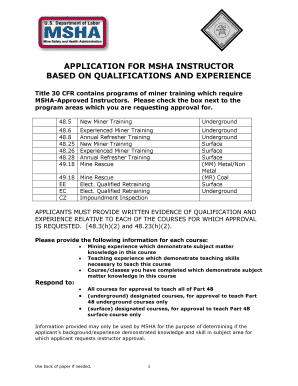
A completed Application for Temporary Employment Certification must be filed no less than 45 calendar days before date of need.
May 24, 2012 Understanding the role of Temporary Employment Service providers. Employers are required to give employees written particulars of employment.


