







Definition & Meaning
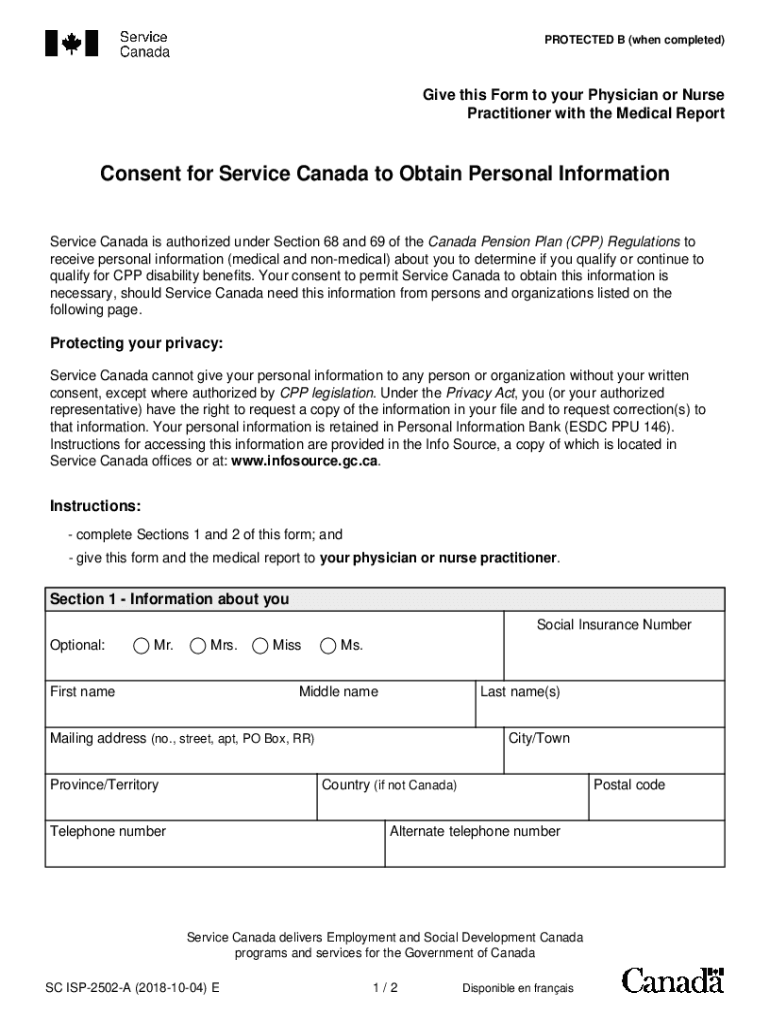
The Canada Letter is an official document originating from Canadian authorities, often used to verify identity, confirm personal details, or establish eligibility for various programs, including the Canada Pension Plan (CPP) disability benefits. It serves as a formal communication tool between the government and the recipient, ensuring that crucial personal information is accurately relayed and recognized in official transactions. The letter typically includes important details like the recipient’s name, contact information, and specific instructions about its intended use.
Practical Uses
- Verification: Used by Canadian agencies to authenticate an individual's personal information.
- Eligibility Confirmation: Ensures the individual meets specific criteria for governmental benefits or services.
- Proof of Status: Acts as an official record for those needing verification of their status within Canada, such as residency or citizenship confirmation.
How to Use the Canada Letter
Using the Canada Letter involves understanding its intended purpose and following any associated instructions carefully. Recipients should read the document thoroughly to comprehend its contents and determine the actions required, such as providing additional information or submitting the letter to a specific entity.
Typical Actions
- Verification: Use the letter to confirm personal information with government agencies.
- Submission: Include it in applications for government programs or benefits.
- Documentation: Keep it as part of personal records to prove eligibility or identity status.
How to Obtain the Canada Letter
Obtaining the Canada Letter generally starts with a request or application through a government agency, often contingent upon certain criteria or events, such as eligibility assessments for social benefits. The process can vary based on the specific purpose of the letter.
Steps to Acquire
- Application: Submit a formal request to the relevant Canadian governmental body.
- Verification: Provide necessary documentation to substantiate the request.
- Approval: Await confirmation and processing by the issuing authority, resulting in the receipt of the letter.
Steps to Complete the Canada Letter
Once received, completing the Canada Letter may require adding information or signing the document. It’s crucial to follow any stipulated instructions to ensure its acceptance by the intended recipient.
Detailed Process
- Review: Carefully read through the letter to understand what information is required.
- Fill In Information: Input necessary details, ensuring accuracy and completeness.
- Signatures: If required, sign the letter or have it authenticated by an authorized party.
- Submission: Forward the completed letter to the specified agency or keep it for personal use, as directed.
Why You Should Use the Canada Letter
The Canada Letter is essential for validating specific legal and personal matters. Its use is often a prerequisite for accessing government services or confirming one’s eligibility status, providing a standardized way to demonstrate compliance with certain requirements.
Benefits
- Legal Confirmation: Acts as an official document recognized by Canadian authorities.
- Eligibility Verification: Simplifies the process of proving eligibility for benefits.
- Identity Protection: Offers a secure method to confirm personal details in an official context.
Who Typically Uses the Canada Letter
The Canada Letter is commonly used by individuals applying for government programs or benefits, and those needing to verify their identity or residency status.


Typical Users
- Applicants for CPP: Those applying for Canada Pension Plan benefits.
- Immigrants and Residents: Individuals needing to verify their residency or compliance with immigration requirements.
- Government Servants: Civil servants utilizing it for official verifications.
Important Terms Related to the Canada Letter
Understanding the Canada Letter often involves recognizing a set of terms associated with governmental documentation and eligibility criteria.
Key Terms
- Consent Form: A document permitting access to personal information, often linked with the Canada Letter.
- Eligibility Criteria: The specific requirements one must meet to receive or use the Canada Letter.
- Verification: The process of confirming the details provided within the letter.
Legal Use of the Canada Letter
The Canada Letter is a legally recognized document for identity and eligibility verification. Its acceptance by authorities underscores its importance in formalizing communications and ensuring compliance with statutory requirements.
Legal Considerations
- Compliant Use: Must be utilized according to the stipulations outlined by the issuing body.
- Privacy Protections: Often includes clauses related to the protection of personal information.
- Statutory Recognition: Recognized by Canadian law as sufficient proof of specified criteria meeting.
Key Elements of the Canada Letter
The core elements of the Canada Letter include specific sections designed to capture and convey necessary information, ensuring the document’s purpose is fulfilled effectively.
Critical Components
- Identification Information: Name, address, and relevant identification numbers.
- Purpose Statement: Details outlining the reason for the letter’s issuance.
- Instructions: Steps or actions required by the recipient to ensure compliance.
By adhering to these guidelines, you can effectively navigate the Canada Letter's usage and ensure its role within your documentation processes is maximized, providing clarity and assurance in official interactions.




