Definition and Meaning
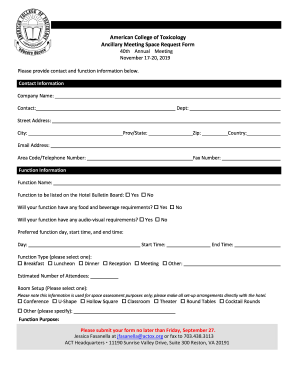
A "plant sale order form template" is a structured document designed to streamline the process of organizing and managing plant sales. This form provides a standardized approach that enables businesses or individuals, such as nurseries or gardening clubs, to efficiently document orders, manage inventory, and fulfill customer needs. The template offers a clear layout that typically includes sections for customer information, types of plants for sale, quantity desired, pricing, and payment details. It is particularly useful for events like annual plant sales or fundraisers where pre-orders are collected to facilitate smoother operations.
Key Elements of the Plant Sale Order Form Template
The plant sale order form template contains specific sections that ensure orders are processed accurately and efficiently. These elements include:
-
Customer Information: Requires the buyer's name, address, phone number, and email address to facilitate communication and delivery coordination.
-
Plant Selection: A detailed list of available plants, including annuals, perennials, and foliage plants. Each entry typically includes descriptions, color options, and whether the plant is sold in pots, baskets, or planters.
-
Order Specifics: Quantity and size options for each plant, helping to manage inventory and fulfill customer preferences.
-
Pricing Details: Clear pricing for individual plants or bundled offers, potentially including discounts for bulk purchases.
-
Payment Information: Section for specifying payment methods accepted, such as credit card, cash, or checks, ensuring orders are secured financially.
-
Pickup or Delivery Details: Options for customers to indicate their preference for retrieving their order or having it delivered, along with scheduled dates, such as the specific pickup window of April 25th.
How to Use the Plant Sale Order Form Template
-
Selection of Plants: Customers browse the list of available plants within the form, selecting their desired items and quantities. Clarity in this section ensures accurate inventory management and customer satisfaction.
-
Completion of Personal Information: The buyer fills out their contact details to ensure communication lines are open in case of order confirmation or changes.
-
Total Calculation: Automatically or manually calculate the total order cost based on selected items and quantities, including any applicable taxes or discounts, to facilitate transparent financial transactions.
-
Submission of the Form: Once completed, the form can be submitted via various methods, including online submission, email, or in-person delivery, depending on what the organizing entity supports.
Steps to Complete the Plant Sale Order Form Template
To effectively fill out the form, follow these detailed steps:
-
Gather Necessary Information: Ensure the customer has all required personal details at hand, including contact information and payment method before starting.
-
Review Plant Options: Carefully analyze the available plant list for preferences. This step might involve considering factors such as plant size, required sunlight or shade, and growth potential.
-
Enter Order Details: Methodically input the desired quantities for each selected plant into the form, ensuring accuracy to match inventory capabilities.
-
Provide Payment Details: Securely enter the preferred payment method details, double-checking to prevent errors or issues during processing.
-
Verify Completed Form: Before submission, review the entire form for completeness and accuracy, ensuring all fields are filled correctly and the total amount is accurate.
-
Submit the Order: Send the completed form to the organizer, following the designated submission channels for verification and processing.
Why Use the Plant Sale Order Form Template
Utilizing the plant sale order form template offers several advantages, including:
-
Efficiency in Order Management: Automates the process of collecting and organizing customer orders, reducing the potential for errors and ensuring all requests are documented uniformly.
-
Improved Inventory Control: Helps manage stock levels by providing clear insights into customer demand, aiding in preparation and stocking decisions.
-
Enhanced Customer Experience: Simplifies the ordering process for customers, increasing satisfaction through easy access to detailed plant options and clear, user-friendly instructions.
-
Cost Transparency: Provides clarity on pricing and total order cost upfront, ensuring customers are informed and potentially increasing sales through trust and transparency.
Who Typically Uses the Plant Sale Order Form Template
The plant sale order form template is primarily used by:
-
Local Nurseries: To organize retail sales and manage larger orders for common and unique plant varieties.
-
Gardening Clubs and Societies: During fundraising events or community plant sales to boost engagement and revenue.
-
Botanical Gardens: For annual plant sales where rare or specialty plants may be sold to enthusiasts and members.
-
Educational Institutions: Use this template for school-led fundraising plant sales, promoting learning and engagement among students.


Examples of Using the Plant Sale Order Form Template
-
Annual Spring Plant Sale: A local gardening club uses the template to coordinate an annual sale event, where community members pre-order desired plants to beautify their homes and gardens.
-
Fundraising Event: A school partners with a nursery to raise funds through a plant sale, enabling easy collection of pre-orders from families and friends using the standardized template.
-
Botanical Garden Rarity Sale: A botanical garden offers rare plant species for sale to members and the public via the template, providing clear instructions on ordering and pickup.
Legal Use of the Plant Sale Order Form Template
The plant sale order form must comply with legal requirements to ensure validity and trustworthiness, by including:
-
Terms and Conditions: Clearly defined terms regarding order confirmation, payment methods, cancellation policies, and liability disclaimers to protect both the seller and buyer.
-
Data Privacy Compliance: Assuring customers that their personal information is handled in accordance with privacy laws, such as the California Consumer Privacy Act (CCPA).
-
Transaction Regulations: Use the form within the regulatory framework for sales transactions, ensuring all parties engage transparently and ethically.