





Definition & Meaning
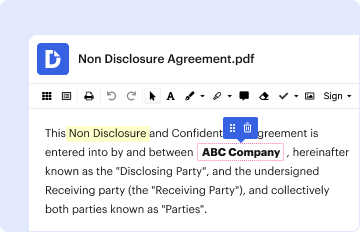
The term "form online" generally refers to digital versions of forms that traditionally were available only in paper format. These forms are accessible through the internet, enabling users to fill them out using digital devices like computers, tablets, or smartphones. The purpose of an online form can vary widely, encompassing areas such as tax filings, visa applications, employment documentation, and more. Utilizing online forms streamlines the process of gathering and processing information, significantly reducing the time and resources required for individuals and organizations to manage necessary paperwork.
Online forms offer several distinguishing advantages. They typically feature interactive elements like dropdown menus, checkboxes, and text fields, which facilitate a more intuitive data entry process compared to static paper forms. Additionally, many platforms offer validation features that prompt users to correct errors before submission, ensuring greater accuracy. The ability to save partially completed forms for later completion and submit them with a single click enhances user convenience, making online forms a preferred option in today's fast-paced digital world.
How to Use the Form Online
Using forms online involves a series of straightforward steps that are designed to simplify the data entry process. To start, users generally need to identify and access the relevant form hosted on a specific website or platform. This may involve searching through a database of forms or selecting a link directly linked to the form.
Once accessed, users interact with various parts of the form, filling out necessary fields with precision. Common fields may include personal information sections, dropdown menus for selecting specific options, and checkboxes for applicable statements. It is crucial to follow any directives or notes accompanying the form to ensure complete and accurate submission.
Upon completion, most online platforms provide an option to review the form in its entirety. Users should carefully check for any missed fields or inaccuracies. After making any necessary corrections, the form can typically be submitted via an integrated submit button, possibly generating a confirmation message or email indicating that the submission process is complete.
Steps to Complete the Form Online
Completing a form online requires careful attention to each step to ensure a smooth submission process. Here are the generalized steps:
-
Access the Form: Visit the specific website or platform hosting the form. This might require logging into an account or navigating through a public or internal portal.
-
Read Instructions: Carefully review any instructions, guidelines, or fill-out tips. Some forms provide field-specific help to guide users appropriately.
-
Fill Out Information: Proceed to fill in the required information. Pay special attention to required fields indicated by asterisk symbols or note points.
-
Attach Supporting Documents: If the form requires additional documentation, there will usually be an attachment field. Follow the guidelines for acceptable file types and sizes.
-
Review for Accuracy: Before submission, go through the form checking for any incomplete fields, spelling errors, or miscalculations.
-
Submit the Form: After ensuring completeness, click the submit button. Some platforms will provide a submission receipt or confirmation email.
-
Follow Post-Submission Steps: Some forms may require additional steps after submission, such as printing confirmation pages or preparing for interviews or meetings.
Why Should You Form Online
There are compelling reasons to complete forms online, from convenience to efficiency and beyond. Online forms leverage technology to assist users in reducing errors and saving time. Simple validation checks can prevent incorrect data from being entered, which enhances the quality of data collected. Digital forms can be accessed and completed anytime and anywhere, making them ultra-convenient for users with fluctuating schedules or remote responsibilities.
Environmentally speaking, online forms promote sustainability by cutting down paper waste and reducing the need for physical document storage. From a resource perspective, digital forms are often more secure than paper forms, given that they usually incorporate encryption to protect sensitive data during transmission.
The data from online forms can be readily integrated into databases, allowing for easier data analysis, processing, and sharing. This is particularly beneficial for businesses and government agencies that handle vast amounts of paperwork regularly. In summary, online forms offer a seamless and adaptable solution to paperwork challenges.
Key Elements of the Form Online
Understanding the key elements of an online form ensures proper completion and submission. Here are several crucial components typically present in online forms:
-
Title and Instructions: Every form begins with a title and usually includes instructions detailing how to fill out the form properly.
-
Input Fields: These are spaces where users enter required information, which may include text fields, date pickers, drop-down menus, or checkboxes.
-
Validation Rules: To guide the correct input, many forms include rules that ensure required fields are filled and that entered data falls within specified parameters.
-
Submission Button: This is the interactive element that, when clicked, finalizes and sends the form's information to the intended recipient or database.
-
Confirmation Message: Once a form is submitted, a message often appears to confirm submission and outline any next steps.
Understanding these elements helps users to navigate online forms efficiently and effectively, ensuring a smooth data handling process.
Who Typically Uses the Form Online
Various individuals and groups utilize forms online, reflecting the flexibility and necessity of this modern tool. Here are some common users:
-
Individuals: Whether applying for a job, submitting tax returns, or applying for permits, everyday use of online forms simplifies individual tasks.
-
Businesses: Companies of all sizes use online forms for client questionnaires, employee information updates, and feedback surveys. Automating these processes increases efficiency and data reliability.
-
Educational Institutions: Schools and universities adopt forms for applications, enrollment, and academic assessments, providing seamless interaction with students, parents, and faculty.
-
Government Agencies: Online forms are instrumental in tax filing, licensing, and census data collection, facilitating streamlined operations and public access to administrative services.
By catering to diverse groups, online forms serve as a critical tool in managing information efficiently across numerous sectors.


Important Terms Related to Form Online
Familiarizing oneself with key terms associated with online forms boosts comprehension and efficiency in form handling. Below are crucial terms:
-
Fillable PDF: An electronic form that allows users to input data directly within PDF format, often incorporating interactive fields.
-
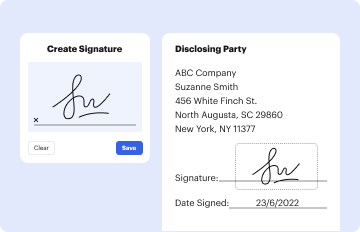
Digital Signature: An electronic means of signing documents, which holds the same legal standing as a handwritten signature.
-
Submission Deadline: A specified date by which the completed form must be submitted to be considered valid.
-
Data Encryption: A method used to secure information in online forms by converting it into a code to prevent unauthorized access.
-
Validation: Internal checks within forms that ensure the correct and complete filling of information before submission acceptance.
Understanding these terms aids users in accurately completing and submitting forms online, maximizing productivity, and ensuring compliance with requisite standards.
Software Compatibility
The functionality of online forms can be influenced by their compatibility with various software, which impacts how users interact with and process these forms.
-
Web Browsers: Most online forms are designed to be compatible with modern web browsers including Chrome, Firefox, Edge, and Safari. Ensure your browser is updated to avoid compatibility issues.
-
PDF Software: For PDF-based online forms, utilizing leading PDF readers like Adobe Acrobat is advisable for viewing, editing, and signing documents.
-
Integration with Productivity Software: Many forms integrate seamlessly with productivity software such as Microsoft Office, making it easy to import and export data between applications.
Using compatible software ensures that online forms function optimally, providing a smooth and efficient user experience.