Definition and Meaning
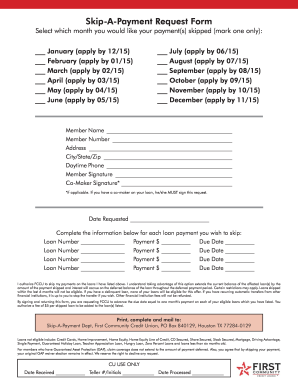
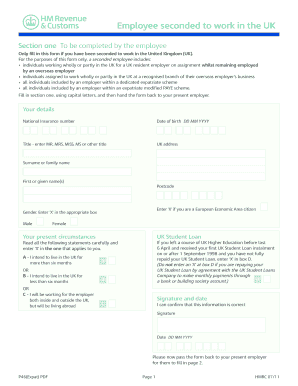
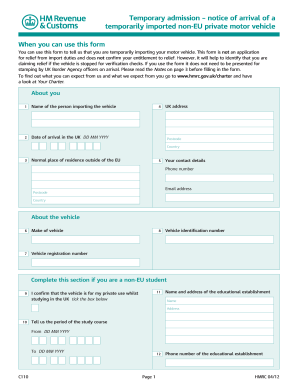
A beneficiary registration form, often abbreviated as "BRF," is a document used to register an individual or entity as a beneficiary within a particular program or system. This could involve financial benefits, healthcare coverage, or organizational membership. The form gathers essential data like personal identification, contact details, and specific beneficiary-related information, which will be used for identification and verification processes. It's crucial to provide accurate details to ensure compliance with relevant privacy regulations and help facilitate efficient processing.
How to Use the Beneficiary Registration Form
Using a beneficiary registration form typically involves several systematic steps that ensure the process is thorough and precise. Initially, you should download or obtain the form from the authority managing the beneficiary program. Carefully read through all sections before starting to fill out the form. You may need to gather personal documentation beforehand. Fill in requisite fields such as name, address, and any required identification numbers. Always ensure the information is accurate and double-check for any typographical errors. Some forms might include guidance notes to assist you; reviewing these can help prevent common mistakes.
How to Obtain the Beneficiary Registration Form
There are various avenues to obtain a beneficiary registration form depending on the issuing authority. Typically, these forms are found on the official website of the organization involved. They may also be available at local offices or public service centers. Some organizations provide the option to request a form via mail or email, especially if online access is not feasible. When seeking a physical form, ensure you verify the latest version to comply with current requirements. In digital formats, downloadable PDF versions are common, making it easy to print or complete electronically.
Steps to Complete the Beneficiary Registration Form
-
Gather Necessary Information: Before starting, collect all needed documents such as identification cards, proof of address, and any other relevant information.
-
Reading Instructions: Carefully go through any instructions attached to the form to ensure you understand the requirements for each section.
-
Complete Personal Details: Fill out sections dealing with names, contact details, and social security numbers. Accuracy is key at this stage.
-
Fill Beneficiary Information: Include specific data about the beneficiary, for example, their relationship to you, contact information, and identification numbers.
-
Sign and Date: Ensure the form is signed in all designated places. An unsigned form is often considered incomplete.
-
Review and Submit: Double-check each section for completeness. Upon review, submit as instructed, ensuring compliance with submission protocols.
Who Typically Uses the Beneficiary Registration Form
Beneficiary registration forms serve various demographics, often catering to individuals who are set to receive benefits from a program, service, or institution. This includes members of a community or ethnic group registering for cultural or governmental benefits, employees enrolled in retirement plans, or dependents added to healthcare policies. Organizations may require different individuals to fill out these forms, including parents or guardians on behalf of minors, or legal representatives of a beneficiary. Companies and financial advisors often assist in the process to ensure forms are filled accurately for their clients.


Important Terms Related to the Beneficiary Registration Form
Understanding specific terms can help accurately navigate the completion and submission of a beneficiary registration form:
- Beneficiary: An individual or entity designated to receive benefits from a policy or financial arrangement.
- Registration: The action of enrolling or recording the beneficiary's information to be recognized within the system.
- Verification: The process of confirming the identity and details provided in the registration form.
- Compliance: Adhering to legal and organizational requirements during registration.
- Confidentiality: Assurance that information provided will be protected according to privacy standards.
Legally Binding Electronic Signatures
Electronic signatures on beneficiary registration forms are often legally binding and comply with acts like the Electronic Signatures in Global and National Commerce (ESIGN) Act. When using platforms that facilitate electronic completion of forms, ensure that the service used adheres to these regulations. This allows the signature to hold the same legal weight as a traditional handwritten one. Keep copies of electronically signed forms for personal records and any potential future disputes.
Required Documents
Completing a beneficiary registration form usually involves the submission of supplementary documents to verify the information provided. Often required materials include:
- Identification Documents: Government-issued IDs such as a driver's license or passport.
- Proof of Address: Utility bills or bank statements that confirm current residence.
- Relationship Proof: Birth or marriage certificates in cases where the relationship to the beneficiary must be demonstrated.
- Social Security Numbers: If applicable, to confirm identity within governmental systems.
Documentation requirements may vary, so double-checking the specific needs for your situation with the issuing authority can prevent unnecessary delays.