
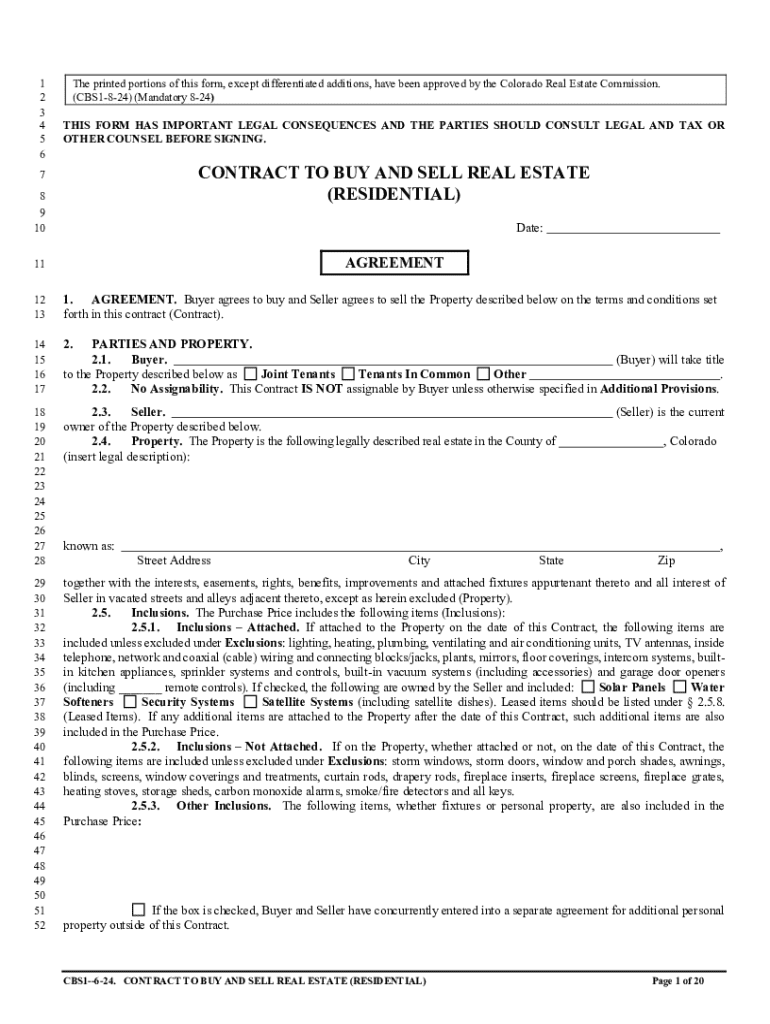







Definition & Meaning
In the context of real estate, "brokerage disclosure to" refers to legally required forms that inform potential home buyers and sellers about the relationship between the real estate agent (broker) and the consumer. These disclosures aim to clarify whom the agent represents in the transaction, whether it is the buyer, the seller, or both parties. This transparency is vital as it ensures that all parties involved are aware of the agent's duties, responsibilities, and any potential conflicts of interest. These forms are a crucial aspect of maintaining trust and professionalism in real estate transactions.
How to Use the Brokerage Disclosure To
- Understand Purpose: First, familiarize yourself with the purpose of the brokerage disclosure. It is designed to clarify the agent's role and ensure transparency in the transaction.
- Read Carefully: Review the document thoroughly to understand the agent-client relationship specified. This may include buyer agency, seller agency, or dual agency.
- Acknowledge: Some states may require you to acknowledge this disclosure with a signature or initials. Ensure you complete this requirement correctly.
- Ask Questions: If anything is unclear, ask your real estate agent for clarification before signing. This ensures you fully comprehend the document and its implications.
Steps to Complete the Brokerage Disclosure To
- Receive the Form: This form is typically provided by your real estate agent early in the buying or selling process.
- Identify the Parties: Ensure that all parties involved in the transaction are correctly identified in the document.
- Agent's Affiliation: Confirm the brokerage affiliation of your agent and their role – for example, whether they represent you or the other party as well.
- Read Thoroughly: Review all the terms mentioned in the disclosure to ensure you understand the agent's obligations and any potential limitations.
- Sign and Date: If required by your state, sign and date the disclosure to acknowledge your understanding and acceptance.
- Keep a Copy: Maintain a copy for your records as this serves as proof of disclosure during the transaction.
Why Should You Provide Brokerage Disclosure
- Transparency: It ensures all parties in a transaction are aware of and understand the nature of their relationships.
- Legal Requirement: Many states mandate the use of these disclosures to prevent conflicts of interest and miscommunications.
- Consumer Protection: Helps to protect consumers by making sure that they are fully informed regarding who is representing their interests in the transaction.
- Mitigation of Disputes: Reduces the chance of disputes by clearly outlining the duties and responsibilities of the agent.
Who Typically Uses the Brokerage Disclosure To
- Real Estate Agents: Professionals who represent buyers, sellers, or both must ensure that they fill out and present this form accurately for compliance and transparency.
- Home Buyers and Sellers: Individuals involved in purchasing or selling property need to review and acknowledge this disclosure to understand their agent's role.
- Brokerages: Real estate firms managing multiple agents and transactions use these disclosures as part of their standard operating procedures to maintain legal compliance.


Key Elements of the Brokerage Disclosure To
- Agent Identification: Information about the real estate agent or broker, including name, license number, and brokerage affiliation.
- Representation Type: Details whether the agent represents the buyer, seller, both (dual agency), or acts as a transaction-broker.
- Duties and Obligations: A clear outline of the agent's duties towards the client, including loyalty, disclosure, and accounting.
- Conflicts of Interest: Disclosure of any potential conflicts of interest that might affect the agent's impartiality.
- Acknowledgement Section: Space for signatures from the buyer(s) and seller(s) to acknowledge receipt and understanding of the form.
State-Specific Rules for the Brokerage Disclosure To
- Different States, Different Rules: Each state has its specific requirements and forms regarding brokerage disclosure. Ensure compliance by using the correct state-specific form.
- Timing of Disclosure: Some states mandate that disclosure occurs at the first substantive contact before any negotiation or signing of agreements.
- Format Variations: The format and content might differ, though the underlying principles of transparency and disclosure remain consistent.
- Applicable Laws: Be aware of any state laws that might affect the use or content of these disclosures.
Legal Use of the Brokerage Disclosure To
- Compliance: Ensures that real estate transactions comply with state-specific real estate laws.
- Evidence of Disclosure: Serves as evidence that the buyer or seller was informed of the agent's role and responsibilities.
- Agent-Client Agreements: Assists in forming legally binding agreements between the agent and the buyer or seller.
- Protection Mechanism: Acts as a protective mechanism for both parties, reducing the risk of legal issues arising from misunderstandings about representation.
Examples of Using the Brokerage Disclosure To
- Single Agency: If an agent is only representing the buyer, the disclosure will clearly state this, outlining the agent's obligation to the buyer.
- Dual Agency: When representing both parties, the disclosure will highlight this dual role and may list restrictions to ensure fairness and impartiality.
- Transaction Brokerage: In cases where the agent facilitates the deal without representing either party, the disclosure will specify their limited, neutral role.
- New Transactions: Each new transaction generally requires a fresh disclosure to document changes in relationships or circumstances.




