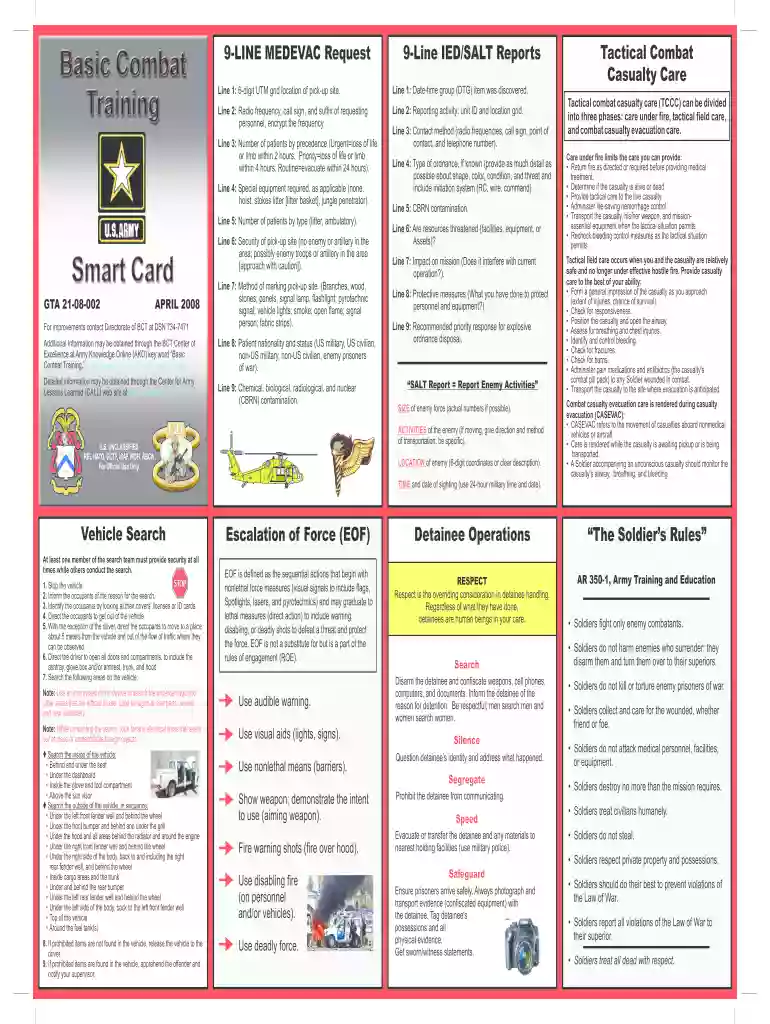
Definition and Meaning of the UXO Report
The Unexploded Ordnance (UXO) report is a critical document used in military and construction contexts to identify and manage unexploded munitions. It serves to enhance safety by providing detailed accounts of the location, type, and potential risks associated with UXOs. Understanding the UXO report is essential for military personnel, emergency responders, and construction teams operating in areas where unexploded ordnance may exist.
- Purpose: The primary aim of the UXO report is to assess the threat posed by unexploded munitions. This includes determining the necessary precautionary measures to ensure the safety of personnel and civilians in the vicinity.
- Content: Typically, a UXO report contains information such as specific locations of identified UXOs, descriptions of munitions (including size and type), and recommendations for disposal or neutralization measures.
- Legal Implications: The report has legal ramifications, as it is often required by law to report the presence of unexploded ordnance, ensuring compliance with safety regulations and federal guidelines.
How to Use the UXO Report Effectively
Using a UXO report requires a systematic approach to maximize its utility. For personnel responsible for safety and risk management, understanding its components and the required actions is essential. Here are the steps to effectively use the report:
- Review Report Details: Examine the contents carefully, paying special attention to the locations and descriptions provided.
- Assess Risks: Evaluate the potential hazards associated with the identified UXOs. Consider factors such as population density and the proximity of the UXOs to operational areas.
- Implement Safety Protocols: Based on recommendations in the UXO report, develop or update safety protocols for personnel working in the area. This includes evacuating non-essential personnel and securing the site.
- Coordinate with EOD Teams: Engage Explosive Ordnance Disposal (EOD) units, which are trained to handle, disarm, and dispose of UXOs. Collaborate with them to schedule safe removal actions.
- Documentation: Maintain a record of the actions taken in response to the report, including risk assessments, safety measures implemented, and EOD engagement.
Key Elements of the UXO Report
A comprehensive UXO report typically contains several key elements to ensure it provides the necessary information for effective decision-making:
- Identification Information: This includes the date of the report, location coordinates, and a reference number.
- Operational Context: Descriptions related to the history of UXO presence in the area, including past military activities, help contextualize the risk.
- UXO Description: Detailed information on the characteristics of the UXOs, such as type (bombs, shells, grenades), condition, and estimated size.
- Visual Aids: Maps or diagrams that indicate the locations of UXOs. Visual aids enhance comprehension and provide clear guidance for risk assessment.
- Recommendations for Disposal: Clear instructions for the next steps regarding neutralization or disposal of identified UXOs.
Important Terms Related to the UXO Report
Understanding the terminology used in UXO reports is crucial for effective communication and operations. Key terms include:
- Explosive Ordnance Disposal (EOD): Units trained in the safe handling, disarming, and disposal of explosives.
- Clear Zone: An area that must be kept free of personnel and equipment during UXO operations.
- Immediate Evacuation Zone (IEZ): A designated area that is to be evacuated quickly if an UXO is discovered or becomes unstable.
- Risk Assessment: A process for identifying the risks associated with unexploded ordnance to determine appropriate safety measures.
- Mitigation Strategies: Plans developed to reduce risks associated with UXOs, including safe handling and disposal techniques.
Legal Use and Compliance of the UXO Report
The UXO report is subject to various laws and regulations that govern its use and reporting. Understanding the legal context is essential for compliance:
- Federal Guidelines: Federal guidelines, such as those set by the Department of Defense (DoD), dictate the procedures for reporting and managing UXOs.
- State Regulations: Different states may have additional requirements for UXO reporting. Familiarity with these regulations ensures compliance and enhances safety measures.
- Liability Issues: Failure to report identified UXOs can lead to legal repercussions, including liability for accidents resulting from negligence in handling unexploded ordnance.
Examples of Using the UXO Report in Real Scenarios
Real-world applications of the UXO report highlight its importance in various fields:
- Military Operations: In areas with prior military activities, UXO reports inform commanders of potential threats, allowing for the development of strategies to adapt missions and ensure soldier safety.
- Construction Projects: Construction companies must consult UXO reports before initiating work in historically military locations. This practice helps identify risks and ensures regulatory compliance.
- Emergency Response Planning: Organizations involved in emergency response use UXO reports to prepare for incidents concerning unexploded munitions, establishing safe evacuation routes and response protocols.
By engaging with these elements of the UXO report, stakeholders can effectively manage the risks associated with unexploded ordnance, ensuring safety and compliance with legal standards.