
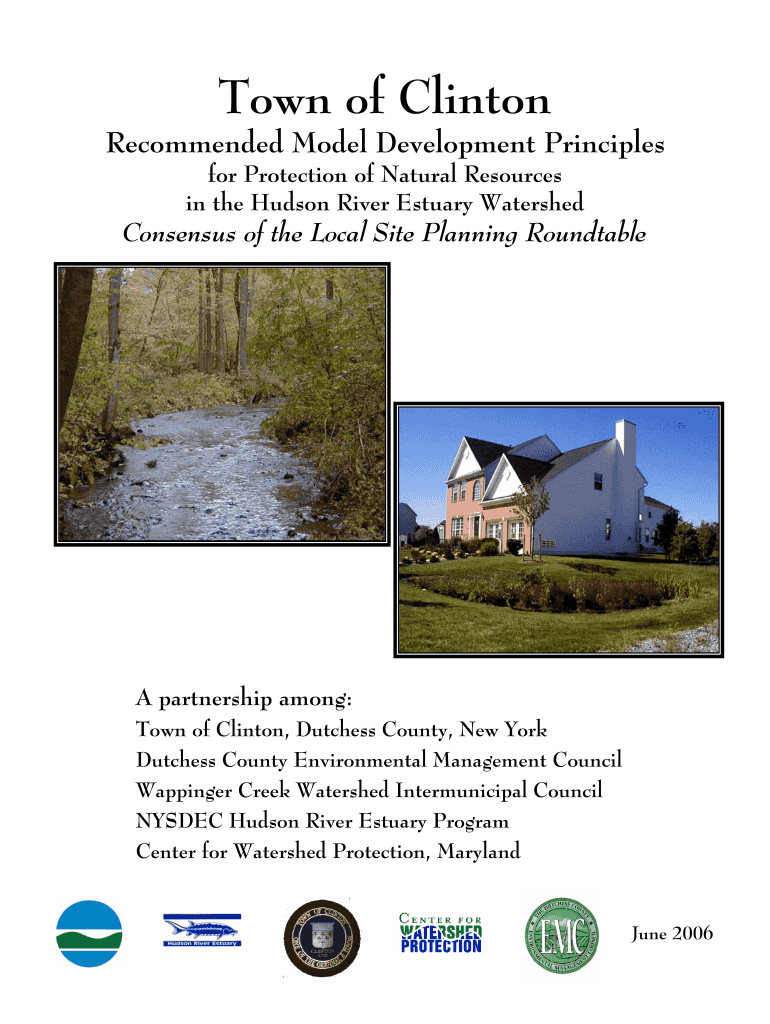







Definition and Meaning
The Gaining Ground Information Database at Pace University pertains primarily to land use law and serves as an invaluable resource for policymakers, researchers, and students. It houses an array of legal materials, case studies, and planning documents focused on sustainable development and effective land-use practices. This database aims to facilitate better decision-making by providing access to important legal frameworks, statutes, and guidance related to land use and environmental conservation.
Key Components
- Legal Resources: Includes comprehensive legal documents and statutes related to land-use.
- Case Studies: Real-world applications and outcomes of specific land-use laws.
- Guidelines and Best Practices: Offers policies aimed at sustainable development.
Practical Uses
This database is particularly useful for legal professionals drafting policies, students conducting research, and city planners implementing sustainable practices. By providing detailed legal context and precedences, users can enhance their understanding of land-use implications within the United States.
How to Use the Gaining Ground Information Database
Utilizing the Gaining Ground Information Database requires navigating its intuitive platform to access its wealth of information. Users can locate materials through a search functionality that facilitates easy retrieval of documents based on keywords and topics.
Steps for Effective Use
- Log in to the Database: Ensure you have access through Pace University’s network or an affiliated access point.
- Search Functionality: Utilize keywords like "land-use law" or "environmental policy" for specific documents.
- Filter Results: Narrow your search by legal type, state, or document category.
Example Scenario
A city planner can search for "stormwater management policies" to access region-specific plans and adapt them to fit local requirements effectively.
Steps to Complete the Gaining Ground Information Database Access
Gaining complete access involves ensuring the proper credentials and understanding how to utilize the tools within the database effectively.
Access Steps
- Credential Verification: As part of Pace University, you may need verification to gain access.
- Orientation Session: Participate in any available training sessions to familiarize yourself with the database layout.
Comprehensive Walkthrough
Upon logging in, users can opt for an introductory orientation session that details navigation techniques and advanced search functions to maximize efficiency when searching for information.
Who Typically Uses the Gaining Ground Information Database
The Gaining Ground Information Database is utilized by a diverse range of individuals including researchers, legal practitioners, and students focusing on environmental law.


Key User Groups
- Law Students and Educators: Access critical legal cases and educational resources.
- Environmental Researchers: Analyze data for academic publications or studies.
- Government Officials: Reference legal documents to inform policy-making and develop planning standards.
Real-World Application
An environmental research team might use the database to evaluate the effectiveness of historical land use legislation in protecting critical habitats within the Hudson River Estuary.
Important Terms Related to the Database
Understanding the terminology associated with the Gaining Ground Information Database is essential for effective utilization.
Essential Terms
- "Land-Use Law": Legal guidelines governing how land is used and developed.
- "Sustainable Development": Practices that meet current needs without compromising future resources.
- "Statutes": Formal written enactments of legislative authority that govern the legal relationship between individuals or entities.
Legal Use of the Database
The Gaining Ground Information Database serves a legal purpose by providing tools to ensure compliance with current land-use regulations.
Compliance and Legal Standards
Legal professionals can determine compliance requirements by accessing statutes and regulatory guidelines. This helps ensure that developments adhere to the necessary legal frameworks, mitigating risks of non-compliance.
Example Examination
A compliance officer might explore "impervious surface regulations" within the database to assure that new developments minimize ecological impact.
Key Elements of the Gaining Ground Information Database
This database includes various components that provide comprehensive support for those researching or implementing land-use changes.
Fundamental Elements
- Interactive Tools: Features that allow users to simulate different policy scenarios.
- Detailed Reports: In-depth analysis of land-use impacts on community welfare and the environment.
- Policy Templates: Pre-structured drafts to assist in the creation of new policies or ordinances.
State-Specific Rules for Database Use
Since land-use laws can vary significantly from state to state, understanding these differences is crucial for effective database use.
State-Specific Variations
- New York: Focus on urban planning and preservation of natural waterways.
- California: Emphasis placed on wildfire prevention and sustainable water use.
- Florida: Regulations centered around coastal zone management and wetlands preservation.
Practical Relevance
An urban developer planning a new residential complex in California might reference specific state laws regarding building in fire-prone regions to ensure compliance and safety.
These blocks highlight significant aspects of the "Gaining Ground Information Database - Pace University - landuse law pace," offering users a comprehensive guide to understanding, accessing, and utilizing this critical resource. Each section is crafted to ensure clarity and support for both novice and experienced users engaged in land-use planning and law.




