





Understanding the Form Online
Forms online represent a significant shift from traditional document processing, allowing users to complete, sign, and manage forms digitally. These forms can range from tax documents and applications to legal agreements and surveys. Understanding what a form online means and how it functions can significantly streamline your document handling tasks.
Definition & Meaning
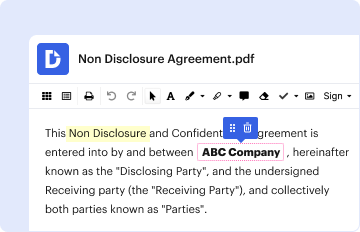
A form online is any document that can be filled out electronically using online tools or platforms, like DocHub. They eliminate the need for paper-based processes, allowing for faster, more efficient form completion. These forms are often designed to be user-friendly, requiring only basic computer skills to complete.
Key Elements of a Form Online
Online forms typically include several essential components:
- Fields for Input: Text boxes, checkboxes, and drop-down menus allow users to input necessary information.
- Validation Rules: These might include required fields or specific formats like dates or numerical values.
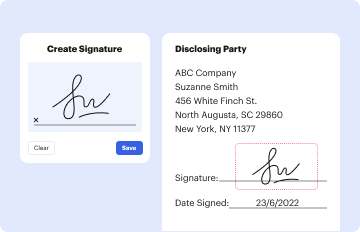
- Signature Fields: Sections where users can insert digital or electronic signatures to authenticate the document.
- Instructions and Explanations: Often included to guide users through the form-filling process.
Steps to Complete the Form Online
- Accessing the Form: Locate the form you need on a platform like DocHub or through an organization's website.
- Filling Out the Form: Enter the required information in the designated fields, ensuring compliance with any validation rules.
- Reviewing the Entries: Double-check all information for accuracy before submission.
- Signing the Form: Use digital signature tools to authenticate your entries.
- Submitting the Form: Submit through the platform or download and send it through other specified methods.
How to Use the Form Online
When using a form online, your primary goal should be to ensure accuracy and compliance with the required guidelines. Platforms like DocHub offer intuitive interfaces to facilitate ease of use:
- Guidance Prompts: Look for guided prompts or instructions within the form to aid completion.
- Real-Time Editing: Make changes in real-time without needing to download or re-upload the document.
- Collaborative Features: Share forms with others for joint completion or review, enabling team collaboration where necessary.
Legal Use of Form Online
Online forms must adhere to legal standards to ensure their validity and enforceability:
- Compliance with Regulations: Forms often need to comply with specific legal guidelines like the ESIGN Act for electronic signatures.
- Confidentiality Measures: Secure forms with encryption and access controls to protect sensitive data.
- Audit Trails: Keep records of changes and submissions for legal accountability and transparency.
Examples of Using the Form Online
- Tax Forms: Many users complete tax documents online, benefiting from automated calculations and prompts for required information.
- Business Applications: Companies use online forms for employee onboarding, client agreements, and contract management.
- Educational Institutions: Schools and universities may employ online forms for enrollments, registrations, and feedback collection.
State-Specific Rules for Form Online
Different states may impose unique regulations governing the use of forms online, necessitating awareness of:
- Notarization Requirements: Some forms may need notarization, even if completed online, depending on the state.
- State Compliance Laws: Ensure the form aligns with state-specific data protection and submission guidelines.
- Jurisdictional Differences: Understand variations in regulations concerning electronic transactions and document storage.
Form Submission Methods (Online / Mail / In-Person)
Depending on the type of form and organization requirements, you may have several submission options:
- Online Submission: Directly submit through the platform offering the form, like DocHub, for instant processing.
- Mail: Print and send a hard copy if required by specific guidelines or for personal preference.
- In-Person: Occasionally, forms may need to be submitted in-person, especially when physical identification verification is necessary.
Required Documents
To complete a form online, prepare any supporting documents that may be needed:
- Identification Proofs: Scans of ID cards or passports.
- Financial Statements: Necessary for forms involving financial disclosures or applications.
- Previous Records: Prior year tax returns or past agreements can be essential for accuracy.
Understanding these elements helps ensure a smooth and legally compliant experience in managing forms online, maximizing efficiency, and minimizing errors.