





Definition and Meaning of "Form Online"
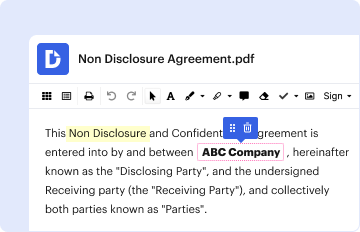
The term "form online" refers to electronic versions of documents that can be completed and submitted digitally instead of using traditional paper copies. These forms are typically accessible via the internet, using a computer or mobile device, allowing users to input information directly into the fields provided. The digital format not only makes data collection more efficient but also minimizes errors that often occur with handwritten entries. By offering online forms, organizations and individuals can streamline administrative processes, reduce paper usage, and enhance data security through encryption.
Advantages of Using Digital Forms
- Accessibility: Forms can be accessed anywhere with an internet connection.
- Efficiency: Easier to manage and store electronic data.
- Cost-effective: Reduces the need for paper and physical storage.
- Security: Often encrypted to protect sensitive information.
How to Use the Form Online
Using online forms typically involves accessing a platform or website that hosts the form. Users can fill out the form fields using their keyboard and mouse, similar to interacting with any other digital document. Many platforms, like DocHub, offer features such as auto-saving, field validation, and instant submissions. Once completed, the form can usually be submitted with a simple click of a button.
Common Form Features
- Field Validation: Ensures data is entered in the correct format.
- Auto-save: Prevents data loss by saving changes automatically.
- Instant Submission: Allows immediate sending of the form upon completion.
Steps to Complete the Form Online
- Access the Form: Navigate to the form's URL or the hosting platform.
- Review Instructions: Start by reading any provided instructions to understand how the form should be filled out.
- Fill in Information: Enter data into each field, ensuring accuracy and completeness.
- Review for Errors: Double-check your entries for mistakes or omissions.
- Submit the Form: Click the submit button to send the form to the appropriate recipient.
- Receive Confirmation: Look for a confirmation message or email indicating successful submission.
Tips for Accurate Completion
- Double-check Information: Ensure all entries are correct before submission.
- Save a Copy: Download a copy of the filled form for your records.
- Look for Confirmation: Confirm that the submission was successful.
Who Typically Uses the Form Online
Online forms are utilized by a wide range of users, from individuals to businesses and institutions. They are particularly popular in sectors where data collection and management are critical, such as finance, healthcare, education, and human resources. For example, job applicants might fill out employment applications online, while businesses might use online forms to gather customer feedback.


Common Users of Online Forms
- Individuals: For personal applications or information requests.
- Businesses: To collect customer data or conduct surveys.
- Educational Institutions: For admissions, enrollments, or feedback.
- Government Agencies: For tax filings or benefit applications.

Legal Use of the Form Online
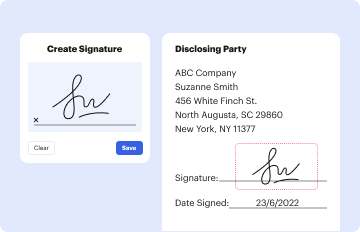
When conducting transactions or official procedures online, it's crucial to ensure that the digital forms comply with legal standards, particularly regarding electronic signatures and data protection. In the United States, the ESIGN Act grants electronic signatures the same legal validity as handwritten ones. Platforms like DocHub offer legally compliant solutions, embedding robustness in their security protocols and ensuring that electronic submissions stand up to scrutiny.
Legal Considerations
- Electronic Signatures: Must conform to the ESIGN Act.
- Data Protection: Forms must be encrypted to safeguard information.
- Audit Trails: Maintain records of changes and submissions for legal compliance.
Key Elements of the Form Online
An effective online form usually contains several essential components designed to facilitate data entry and processing. Firstly, the form fields, such as text boxes, dropdown menus, and checkboxes, are used to capture detailed information. Other critical elements include submission buttons, validation checks to ensure accuracy, and optional fields that provide flexibility to users. Additionally, instructions and help text are often integrated to guide the user through the completion process.
Essential Components
- Form Fields: Capture necessary information.
- Submission Button: Enables immediate form sending.
- Validation Checks: Verifies the accuracy of inputs.
- Instructions: Guides users on form completion.
Software Compatibility
Using forms online often requires compatibility with specific software or platforms that can read, edit, and submit these forms. For example, DocHub integrates seamlessly with cloud services like Google Drive and Dropbox, facilitating easy import and export of documents. Additionally, compatibility with software like QuickBooks or TurboTax can streamline the process for financial forms, allowing for direct data imports and exports, thereby reducing errors and increasing efficiency.
Compatible Software Examples
- DocHub: For editing and signing forms.
- Google Drive: For storing and sharing files.
- QuickBooks: For financial data entry and management.
- TurboTax: For tax-related forms.
State-Specific Rules for the Form Online
While digital forms provide an efficient means of handling paperwork, it is essential to be aware of specific regulations that may apply at the state level. For instance, certain forms, like vehicle registration or tax documents, may have unique requirements or submission procedures based on state laws. Understanding these variances is vital for ensuring compliance and avoiding potential penalties.
Examples of State Variations
- Vehicle Registrations: May have specific online procedures.
- Tax Filings: State-specific deductions and credits.
- Licensing and Permits: Vary by state in terms of requirements and approvals.