







Definition and Purpose of the Customs Bulletin Weekly
The "Customs Bulletin Weekly, Vol 58, December 4," serves as a critical publication by the U.S. Customs and Border Protection (CBP). This bulletin provides comprehensive updates on customs regulations, guidelines, and rulings that affect importers, exporters, and trade professionals operating within the United States. Its content can include changes in tariff classifications, amendments to customs procedures, and details on trade agreements and compliance requirements. The weekly bulletin is essential for businesses to remain informed and compliant with evolving trade laws and customs practices. By staying updated through the bulletin, organizations can minimize regulatory risks and ensure seamless international trade operations.
How to Use the Customs Bulletin Weekly
The Customs Bulletin Weekly is a valuable resource for anyone involved in international trade and customs operations. To effectively utilize the bulletin:
- Identify Relevant Sections: Start by scanning the table of contents to pinpoint sections applicable to your business, such as tariff updates or procedural changes.
- Interpret Legal Texts: Pay close attention to the legal language used in rulings and guidelines, as these will impact your compliance strategies.
- Update Internal Practices: Incorporate any relevant changes into your company’s compliance protocols and inform your team of necessary adjustments.
By following these steps, you can ensure that your organization leverages the insights from the bulletin to maintain compliance and optimize customs operations.
Steps to Obtain the Customs Bulletin Weekly
There are several methods to access the Customs Bulletin Weekly, ensuring that you can choose the most convenient option for your needs:
- Online Access: Visit the official CBP website to download the latest volume of the Customs Bulletin Weekly. This is the most accessible method for most users.
- Subscription Service: Subscribe to receive the bulletin directly in your email inbox. This ensures that you do not miss any updates.
- Professional Associations: Join trade associations or professional groups that distribute bulletins as part of their member resources.
These methods provide flexible access, allowing businesses to choose the most efficient way to receive critical customs information.
Key Elements Found in the Customs Bulletin Weekly
The Customs Bulletin Weekly includes a wide range of elements that provide valuable information to traders and businesses:
- Tariff Updates: Changes in tariff classifications and duty rates are regularly published, affecting import costs.
- Legal Rulings: New legal precedents and interpretations that guide customs decisions and compliance requirements.
- Customs Procedures: Amendments to procedures that impact cargo clearance and inspections.
- Trade Compliance: Specific guidance on maintaining compliance with international trade agreements and regulations.
Understanding these elements enhances your ability to manage import and export activities efficiently.
Form Submission Methods for Importers and Exporters
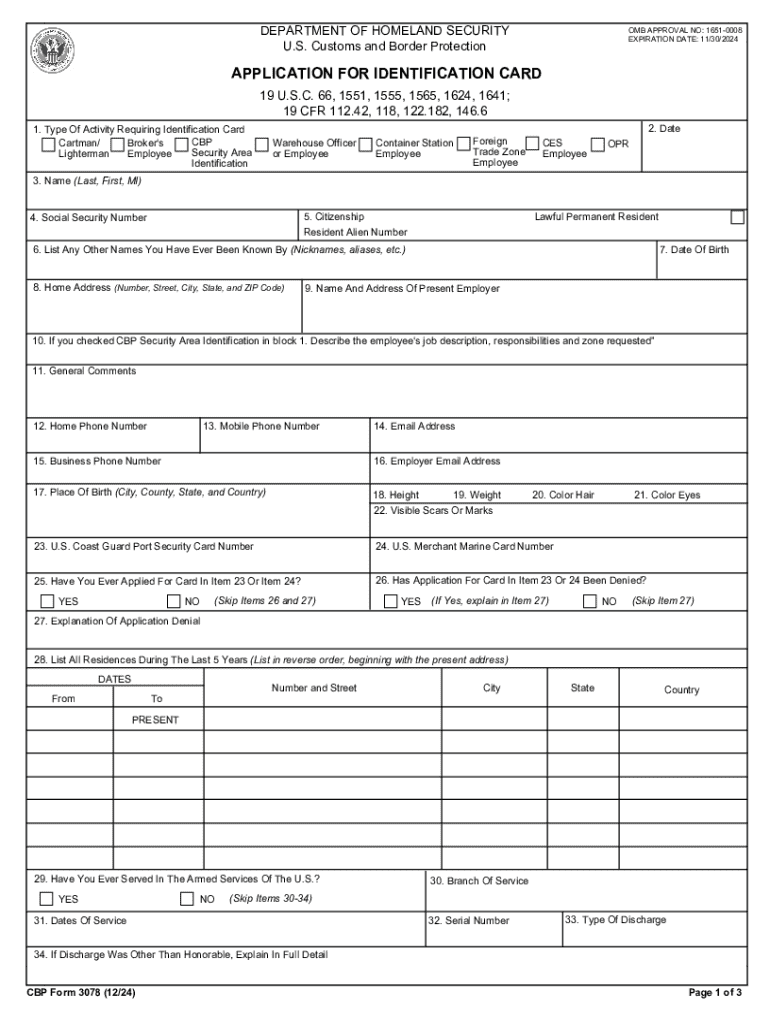
Subscribers of the Customs Bulletin Weekly often need to submit forms to the CBP. There are multiple submission methods available:
- Online Submissions: Digital platforms like DocHub allow for online filing of forms requiring signatures and documentation attachments, streamlining the process.
- Mail: Traditional mail submissions remain an option for those who prefer paper documentation.
- In-Person: Direct submissions at CBP offices are suitable for documents requiring immediate attention or verification.
Each method provides flexibility, depending on the urgency and nature of the form being submitted.
Penalties for Non-Compliance with Customs Regulations
Failing to adhere to the guidance outlined in the Customs Bulletin Weekly can result in significant penalties:
- Fines: Monetary penalties can be imposed for non-compliance or misstated declarations.
- Seizure of Goods: Violations can lead to the seizure of goods, affecting supply chain logistics.
- Blacklisting: Persistent non-compliance may result in being blacklisted, hindering future import and export activities.
It is crucial for businesses to follow the bulletin closely to avoid these potential penalties and ensure smooth operations.
Examples of Using the Customs Bulletin Weekly in Business Operations
The bulletin provides actionable insights for various business scenarios:
- Tariff Classification Changes: A company discovers a classification change and adjusts its pricing strategy accordingly.
- Procedure Updates: A logistics manager updates their clearance processes based on new procedural guidance from the bulletin.
- Compliance Checks: A compliance officer uses the bulletin to conduct regular audits ensuring all practices are aligned with current regulations.
These examples illustrate the practical application of the bulletin’s content in real-world business settings.
Important Terms Related to the Customs Bulletin Weekly
Familiarity with the terminology used in the bulletin can enhance understanding and application:
- Harmonized Tariff Schedule: A system for classifying traded products that impact duty rates.
- Binding Rulings: Official decisions on tariff classifications and customs valuation.
- Compliance Audits: Internal or external reviews ensuring adherence to customs regulations.
Knowing these terms allows for more efficient navigation and interpretation of the information provided in the publication.
Legal Use and Compliance Implications
Adhering to the guidance in the Customs Bulletin Weekly ensures compliance with U.S. customs laws:
- Legal Framework: Understanding the legal basis for customs procedures helps minimize legal risks.
- Regulatory Changes: Businesses must stay informed about regulatory changes to avoid unintentional violations.
- Document Retention: Maintain accurate records of bulletin-guided changes for audits and inspections.
Compliance with the bulletin’s guidelines supports lawful and efficient business operations.


