






Definition & Meaning
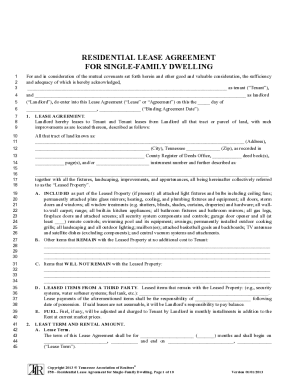
A Rent Cap refers to the legal limitations placed on the amount landlords can increase rent over a specified period. Primarily designed to protect tenants from sudden and substantial rent hikes, it ensures housing affordability amidst fluctuating economic conditions. The term often incorporates regulations around cost of living adjustments, rent stabilization, and eviction moratoriums, reflecting broader governmental efforts to mitigate housing instability.
How to Use the Rent Cap - Cost of Living: Rent and Eviction - Gov Scot
When utilizing the Rent Cap, tenants and landlords must adhere to the specific guidelines set forth by local and state governments. Tenants should familiarize themselves with their rights regarding allowable rent increases and eviction protections. Landlords need to comply by ensuring rent increments do not exceed the permitted cap and by providing adequate notice to tenants. Legal counsel or housing authorities can provide further clarification and assistance.
Steps to Complete the Rent Cap - Cost of Living: Rent and Eviction - Gov Scot
- Research Local Laws: Understand your state's rent cap laws and any local variations.
- Documentation: Gather documentation about current rent and any past increases.
- Communication: Open a dialogue with your landlord or tenant to discuss the rent cap implications.
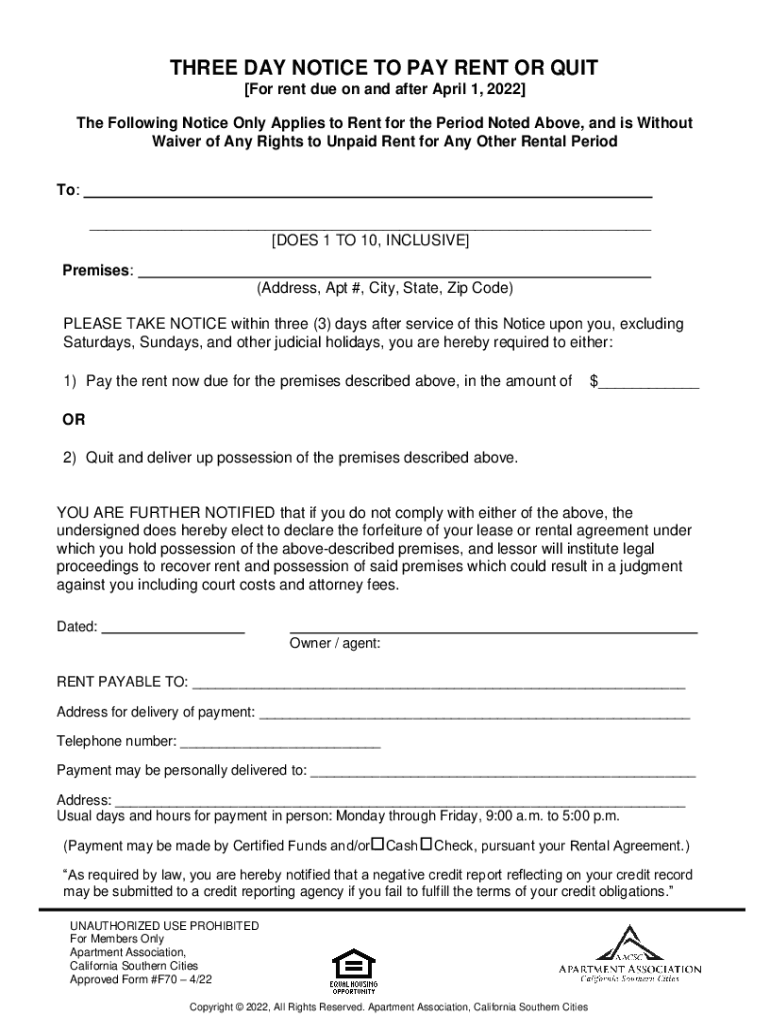
- Form Completion: If applicable, complete any official forms required to request rent adjustments or contest increases.
- Submit Required Documents: Provide the necessary documentation to the relevant housing authority or legal body.
- Resolution Process: Follow through with any mediation or legal proceedings as needed.
Important Terms Related to Rent Cap
- Eviction Moratorium: Temporary halting of evictions.
- Rent Stabilization: A form of rent regulation limiting the frequency and amount of rent increases.
- Cost of Living Adjustment (COLA): Periodic increase in wages or rents to counteract inflation.
- Notice Period: The amount of time a landlord must provide before changes are enacted.
Legal Use of the Rent Cap
The Rent Cap is a legally enforceable policy that landlords and tenants must comply with to avoid penalties. Its primary aim is to protect tenants from unwarranted eviction or unreasonable rent increases, providing legal recourse in disputes. Legal professionals specializing in tenant law or housing authorities can offer representation or mediation services when conflicts arise.
Key Elements of the Rent Cap
- Percentage Limitation: Specifies the maximum allowed rent increase percentage.
- Notice Requirements: Determines timelines and methods for informing tenants about changes.
- Exceptions and Exemptions: Identifies scenarios where rent caps do not apply, such as new constructions or extraordinary financial hardship for landlords.
- Enforcement Mechanisms: Legal avenues available to challenge violations of rent cap laws.
State-Specific Rules for the Rent Cap
State laws elucidate Rent Cap specifics, which can vary significantly:
- Some states impose stricter limitations and protections than others.
- Jurisdictions may offer additional protections during emergencies (e.g., pandemics).
- Tenants or landlords must refer to local housing authority guidelines for precise regulations and processes.
Examples of Using the Rent Cap
Consider a scenario where a tenant's rent has historically increased by five percent annually, but recent legislations cap increases at three percent:
- The tenant should verify if the increase exceeds state limits.
- If improperly increased, the tenant may file a formal complaint with the housing authority.
- Similarly, a landlord facing financial hardship due to the cap might seek an exemption under specific provisions.