
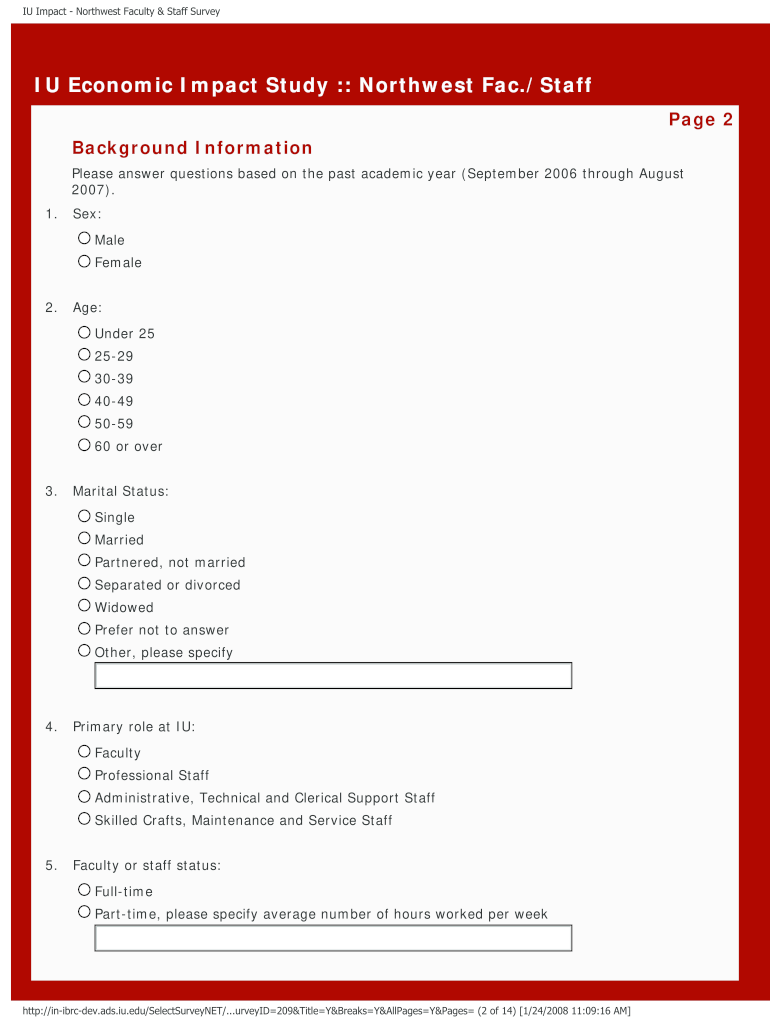







Understanding the Indiana University Impact Study 2008
The Indiana University Impact Study 2008, conducted by the Indiana Business Research Center at the Kelley School of Business, examines the economic and social contributions of Indiana University to the State of Indiana. This study provides insights into the multifaceted roles that the university plays in enhancing the state's educational and economic landscape.
The Study's Significance and Purpose
- Economic Contributions: The study highlights Indiana University's role in generating significant economic activity, amounting to $4.6 billion annually. This includes direct spending by the university and indirect impacts on local businesses and the community.
- Social Contributions: It emphasizes the university’s contribution to social capital through civic engagement and community service, enhancing the quality of life across Indiana.
How the Impact Study is Utilized
- Educational Planning: Policymakers and educational leaders can leverage the findings to advocate for funding and support for higher education.
- Economic Development: Business leaders and community planners use the data to understand and enhance the economic impact of educational institutions.
Steps to Access the Impact Study
To access the Indiana University Impact Study 2008, interested parties can:
- Visit Indiana University's Official Website: Search for the study under the Indiana Business Research Center's section.
- Request Through Email: Contact the research center directly for a copy if it is not readily available online.
- Library Resources: Physical or digital libraries affiliated with educational institutions may also hold copies of the study.
Required Information for Access
When requesting the study, be prepared to provide:
- Affiliation with educational or governmental institutions (if applicable).
- The intended use of the study for research or policy formation.
Key Findings of the Study
Economic Impact Analysis
- Spending Effects: The study quantifies the direct and indirect spending linked to IU's operations and student consumption patterns.
- Job Creation: It discusses the number of jobs created both directly by the university and indirectly through affiliated industries.
Social and Educational Contributions
- Degree Conferrals: Details the enhanced human capital via a large number of degree holders contributing to the workforce.
- Volunteering and Civic Engagement: Documents the extensive volunteer work by students and staff, highlighting the social contributions to the community.
Who Benefits from the Study
Primary Beneficiaries
- Policy Makers: Utilize the data to make informed decisions about funding and support for higher education.
- Business Leaders: Leverage insights to foster businesses that benefit from university activities.
- Community Organizations: Support initiatives that align with the social and economic goals highlighted in the study.
Legal and Compliance Considerations
Legal Use of the Study
- Copyright and Distribution: Ensure compliance with copyright laws when distributing or referencing the study in reports or presentations.
- Attribution Requirements: Properly cite the Indiana Business Research Center as the source when using data from the study.
Practical Examples of Utilizing the Study
- City Development Plans: Urban planners incorporate findings to optimize areas surrounding campus locations for increased economic activity.
- Educational Programs: University departments may use the study's data to justify expansions or new programs that contribute to state goals.
Important Terms Explained
Key Terms Related to the Study
- Economic Footprint: The total economic impact of the university on local and state economies.
- Human Capital Enhancement: Improvement in the workforce's capability and productivity driven by university graduates.
Variations and Related Studies
Alternate Versions and Updates
- Continuous Studies: Subsequent studies that may update or build upon the findings of the 2008 report.
- Comparative Reports: Studies comparing IU's impact to other institutions to provide broader insights into educational investments in Indiana.
By detailing the comprehensive elements of the Indiana University Impact Study 2008, stakeholders can derive valuable insights to inform decision-making and strategic planning that align with both educational and economic growth within Indiana.