




Definition & Meaning
The "Third Party Construction Inspection Checklist and Certification for Bioretention - Fairfax County" is a specialized documentation tool used to ensure compliance with Virginia's stormwater management regulations. Bioretention systems are critical components in managing rainwater runoff and preventing surface water pollution. This checklist is used by third-party inspectors to verify that all construction phases adhere to the approved plans, and it requires certification by a licensed professional engineer to confirm that all specifications have been met.
Purpose and Importance
- Compliance: Ensures that construction projects meet necessary environmental and legal standards.
- Documentation: Provides a written record of inspections and certifications, which is crucial for legal compliance and future audits.
- Quality Assurance: Helps maintain standards by guiding contractors through the essential phases of construction.
Steps to Complete the Third Party Construction Inspection Checklist and Certification
Completing this checklist involves several critical stages that correspond with different phases of bioretention system development.
-
Pre-installation Meetings: Conduct meetings with contractors, engineers, and other stakeholders to discuss plans and objectives. This stage sets the groundwork, emphasizing adherence to approved designs.
-
Excavation: Inspect the excavation site to ensure it matches the design specifications. Key checks include depth, width, and stability, all crucial to the foundation’s integrity.
-
Filter Layer Placement: Verify the placement of filter layers, crucial for effective water filtration. This includes checking the materials used against the project's specifications and conducting tests to confirm performance.
-
Soil Media Installation: Assess the soil media installation for adherence to project requirements. Inspect its composition and layering to ensure optimal plant growth and water absorption.
-
Final Stabilization: Confirm that all exposed areas are stabilized to prevent erosion. Methods often include seeding or the application of protective coverings.
-
Plant Installation: Review the plant installation, ensuring species and placement comply with the design. This is vital for the ecological success of the bioretention system.
Who Typically Uses the Checklist and Certification
The checklist is mainly utilized by a combination of stakeholders involved in construction and environmental management projects.
- Contractors: Responsible for carrying out the construction elements according to specifications.
- Engineers: Ensure design accuracy and certify that construction follows engineering principles.
- Environmental Inspectors: Verify that sites comply with environmental regulations.
- Project Managers: Oversee the progress and ensure all checklist elements are completed.

Key Elements of the Third Party Construction Checklist and Certification
The checklist is composed of several integral elements that guide users throughout the inspection process.
- Compliance Checkpoints: Specific areas that require validation against the approved plans.
- Documentation Requirements: Lists and details of necessary documentation for each phase.
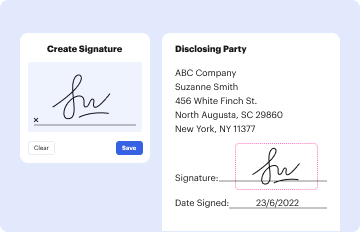
- Certifications: Signatures from licensed engineers confirming compliance.
Legal Use of the Checklist and Certification
Utilization of this checklist is bound by local and state regulations in Virginia, particularly regarding stormwater management practices.
- Regulatory Compliance: Ensures adherence to Virginia’s stormwater management legislation.
- Authorized User Requirement: Only certified professionals may execute and sign off on checklists, ensuring accountability in the inspection process.
State-specific Rules for the Certification
Virginia has specific requirements and guidelines that must be adhered to within construction and inspection processes.
- Virginia Regulations: Compliance with the Virginia Stormwater Management Regulations is mandatory.
- Fairfax County Specifics: Additional local regulations may affect how inspections are conducted and certified.
Important Terms Related to the Checklist
Understanding key terms related to the checklist helps in accurately completing and certifying the document.
- Bioretention: A process that uses landscaped areas to treat stormwater runoff.
- Certification: An official process by which an engineer confirms compliance with project specifications.
- Filter Layer: A crucial component of bioretention systems, used to filter stormwater.
Form Submission Methods
Different methods exist for submitting the completed checklist and certification, each with its own requirements and processes.
- Online Submission: Some jurisdictions may allow digital submissions via approved portals.
- In-person Delivery: Physical delivery may be necessary for jurisdictions without online capabilities.