Definition & Meaning
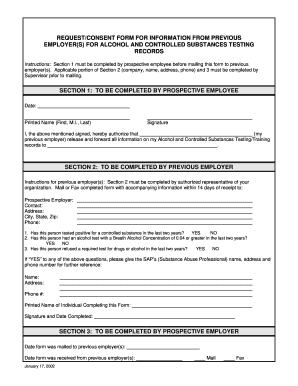
The Controlled Substance Agreement and Informed Consent - Scott and White - SW is a vital document used primarily in medical contexts where patients are prescribed controlled substances. This form outlines a mutual understanding between the patient and healthcare provider, detailing the terms under which controlled substances are prescribed and managed. It's particularly relevant in the context of Texas healthcare systems, ensuring both parties are aware of their responsibilities and the risks associated with medication use.
The document serves as both an agreement and an informed consent. As an agreement, it delineates the patient's and provider's roles in medication management, emphasizing adherence to the prescribed treatment and regular medical supervision. As informed consent, it ensures the patient is aware of potential side effects or risks associated with the substances.
How to Use the Controlled Substance Agreement and Informed Consent
To utilize the Controlled Substance Agreement and Informed Consent effectively, patients and healthcare providers follow a structured approach:
-
Reviewing the Document: Before signing, both parties should carefully read through the document to ensure complete understanding. This includes all terms and conditions regarding medication use.
-
Discussion with Healthcare Provider: Patients should discuss any questions or concerns with their healthcare provider. This discussion should cover the purpose of the controlled substances, expected benefits, and potential side effects.
-
Signing the Agreement: Once both parties are satisfied with the terms, the patient signs the document to indicate their understanding and consent. The provider also signs to acknowledge their commitment to monitoring and managing the patient's treatment.
-
Regular Check-ins: Patients are typically required to attend regular appointments to assess the efficacy of the medication and make adjustments as necessary.
Steps to Complete the Controlled Substance Agreement and Informed Consent
Completing the Controlled Substance Agreement and Informed Consent involves several key steps to ensure clarity and compliance:
-
Patient Identification: Enter the patient's name, address, and contact information. This section verifies who is entering the agreement.
-
Risk Acknowledgment: The form requires patients to acknowledge potential risks associated with the medication, including dependency and side effects.
-
Consent to Treatment: The patient provides explicit consent to undergo treatment using the specified controlled substances.
-
Responsibilities and Obligations: The agreement outlines the patient's responsibilities, such as adhering to prescribed dosages and reporting side effects.
-
Provider's Commitment: The healthcare provider commits to their role in managing the patient's care, including monitoring medication use and adjusting treatment plans.
-
Signing: Both parties sign the document, signifying mutual agreement and understanding of the terms outlined.
Key Elements of the Controlled Substance Agreement and Informed Consent
Several critical elements define the Controlled Substance Agreement and Informed Consent:
- Identification Information: Ensures proper documentation and tracking of the patient and provider.
- Medication Details: Specifies the controlled substances prescribed, including dosage and administration guidelines.
- Risk Disclosure: Clearly lists potential risks and side effects, ensuring patients are well-informed before consenting.
- Treatment Compliance: Outlines necessary steps for maintaining treatment compliance, critical for effective management.
- Monitoring Requirements: Details regular check-ups and monitoring procedures to assess treatment effectiveness and address concerns.
Legal Use of the Controlled Substance Agreement and Informed Consent
The legal use of this agreement hinges on its thoroughness and clarity, ensuring both patient and provider understand their rights and responsibilities. It serves as a protective measure for both parties, should disputes or legal issues arise concerning medication use or treatment adherence.
In Texas, and generally across the U.S., such agreements are crucial in mitigating risks associated with prescribed controlled substances. They establish a legally binding understanding that reinforces the necessity of informed consent and the diligent management of medication-based treatments.
Important Terms Related to the Controlled Substance Agreement and Informed Consent
Understanding the terminology within the Controlled Substance Agreement and Informed Consent is essential:
- Controlled Substances: Medications regulated by government laws due to their potential for abuse and dependency.
- Informed Consent: Legal process ensuring that a patient is fully informed about treatment risks and agrees to them.
- Dependency: The physical or psychological state resulting from the use of certain medications, leading to adaptation and potential withdrawal symptoms.
State-Specific Rules for the Controlled Substance Agreement and Informed Consent
In Texas, state-specific regulations may influence how the Controlled Substance Agreement and Informed Consent is implemented. These regulations might determine documentation requirements, patient eligibility for certain medications, and specific monitoring protocols. Understanding these local legal requirements is crucial for compliance and ensuring effective, legal medication management.
Examples of Using the Controlled Substance Agreement and Informed Consent
Consider scenarios where this form plays a crucial role:
- Chronic Pain Management: Patients undergoing long-term treatment plans with pain medication rely on these agreements to manage medication responsibly.
- Specialist Clinics: Addiction specialists might use this form as part of a comprehensive plan for managing substances known for high dependency risks.
These examples illustrate how controlled substance agreements and informed consent documents are instrumental in varied medical contexts, reinforcing their utility and necessity.