
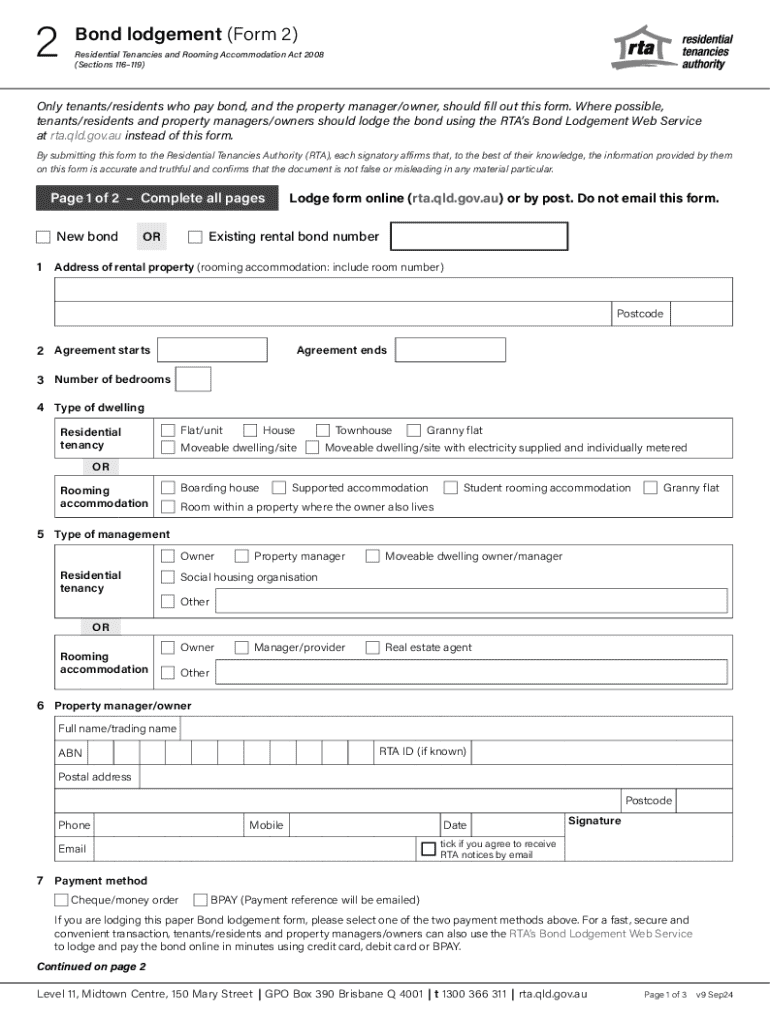







Definition & Meaning
The term "form online" refers to the digital version of a form that can be completed and submitted over the internet. These forms are often used for various purposes, including applications, legal submissions, and data collection. The primary advantage of using online forms is the efficiency and convenience offered by electronic submission processes. They are designed to streamline workflows by eliminating the need for paper forms, thereby reducing error rates and processing times.
How to Use the Form Online
Utilizing a form online typically involves accessing a website that hosts the form, such as a government portal or a service like DocHub. Once on the site, users can interact with the form using various input fields that may include text boxes, dropdowns, and checkboxes. Each field can be filled according to the instructions provided, and the form can be saved, reviewed, or submitted directly through the platform. Many online forms also offer features such as validation checks to ensure that all required fields are completed correctly.
Steps to Complete the Form Online
- Access the Form: Navigate to the website hosting the form.
- Read Instructions: Carefully review any instructions or guidance notes provided before starting to fill out the form.
- Fill Out Fields: Enter the requested information into the appropriate fields, ensuring accuracy and completeness.
- Review: Double-check all entered data for errors or omissions.
- Submit: Once satisfied, use the provided button to submit the form. Some forms may offer a confirmation page or receipt upon submission.
Key Elements of the Form Online
Online forms share common elements that facilitate user interaction and information capture. These typically include:
- Text Fields for entering information like names, addresses, or other narrative data.
- Dropdown Menus for selecting from a list of pre-defined options.
- Checkboxes for selecting multiple options.
- Radio Buttons for selecting a single option from a set of choices.
- Signature Fields for electronic signing using various input methods.
Who Typically Uses the Form Online
A diverse range of individuals and entities utilize online forms, including:
- Consumers: For transactions such as product purchases, warranties, and customer service requests.
- Businesses: For employee onboarding, data collection, and contract agreements.
- Government Agencies: For applications, tax filings, and compliance documentation.
- Educational Institutions: For registrations, surveys, and feedback forms.


Legal Use of the Form Online
Legal considerations surrounding online forms often encompass:
- Consent and Authorization: Ensuring all parties agree to terms and conditions electronically.
- Compliance with Regulations: Adhering to laws such as the eSign Act in the U.S., which affirms the validity of electronic signatures.
- Data Protection: Implementing measures like SSL encryption to protect user data.
Examples of Legal Online Forms
- Tax Filings (e.g., IRS Form 1040): Used by taxpayers to submit annual income tax returns.
- Contract Agreements: Facilitating legally binding agreements between parties in digital form.
Software Compatibility
Online forms created with platforms like DocHub are often compatible with various software applications, enhancing their utility. They can usually be integrated with:
- Document Management Systems: Such as Google Drive or Dropbox for file storage.
- Financial Software: Including TurboTax and QuickBooks for importing tax documents.
- Collaboration Tools: Like Slack or Trello for team communication and project management.
Key Benefits of Compatibility
- Seamless Integration: Facilitates a smooth workflow without the need for manual file handling.
- Ease of Use: Provides users with accessible methods to share and store documents across multiple platforms.
- Efficiency: Significantly reduces processing times and potential errors in information transfer.
Penalties for Non-Compliance
Failure to submit or correctly complete online forms can lead to various consequences:
- Fines and Legal Penalties: Particularly relevant for tax-related forms where incorrect filing may incur fines.
- Delayed Processing: Incomplete forms can result in delays for applications or approvals.
- Loss of Benefits: For forms related to benefits like insurance or government aid, improper filing might result in denial.
Differences Between Digital and Paper Form Versions
The transition from paper to digital forms brings several distinctions:
- Accessibility: Digital forms can be accessed from anywhere with internet access, unlike physical copies.
- Storage: Electronic submissions eliminate the need for physical storage space.
- Processing Speed: Digital forms can be processed and validated more quickly than paper forms.
Advantages of Digital Over Paper
- Environmental Benefits: Reduces paper usage and waste.
- Instant Updates: Allows for real-time updates and corrections without printing new versions.
- Enhanced Accuracy: Automated checks reduce human errors in entry and processing.




