





Definition and Meaning of "Form Online"
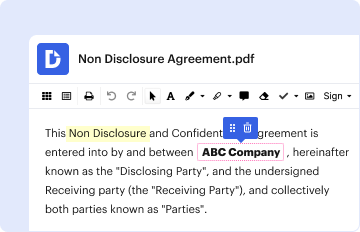
"Form online" refers to the electronic version of any traditional paper form that can be completed and submitted over the internet. These forms are designed to facilitate ease of access, allowing users to fill out required documentation from any location with internet connectivity. Unlike their paper counterparts, online forms can be automated to guide users through the completion process, ensuring all necessary fields are filled accurately. This format is preferred for its convenience and efficiency in data collection and processing.
- Electronic conversion of traditional forms
- Accessible through various devices and platforms
- Streamlines submission and processing
Steps to Complete the Form Online
Completing an online form generally involves a straightforward process, but it's essential to follow each step carefully to avoid errors.
-
Access the Form: Locate the form you need by downloading it from the official website of the issuing agency or using a dedicated online platform like DocHub.
-
Review Instructions: Read any instructions provided carefully to understand what information is required and how it should be entered.
-
Fill Out Required Fields: Enter information into all mandatory fields. These may include text boxes for personal details, dropdown menus for selections, and checkboxes for various options.
-
Upload Supporting Documents: If required, upload necessary documents by selecting the file upload option and navigating to the specific files on your device.
-
Review and Edit: Once the form is filled out, review all entries for accuracy. Use the form’s built-in tools to correct errors or make changes.
-
Submit the Form: Follow instructions to submit the form electronically. This may involve clicking a 'Submit' button or sending the completed form to an email address specified by the form issuer.
- Check for confirmation of submission to ensure the form has been received.
How to Obtain the Form Online
Accessing forms online is a user-friendly process designed to be as straightforward as possible. For instance:
-
Official Websites: Many forms can be downloaded directly from the website of the issuing organization, such as the IRS for tax forms or a state government website for local permits.
-
Document Platforms: Services like DocHub offer a wide array of forms that can be edited and completed online.
-
Email Requests: Some organizations allow you to request forms via email. Upon request, you receive the form as an attachment, which can then be downloaded and filled.
Important Terms Related to Form Online
Understanding certain key terms can significantly aid in navigating online forms:
-
Fillable Field: Sections of the form where users can input data. Types include text boxes, dropdowns, and checkboxes.
-
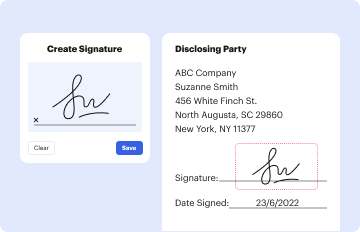
Signature Field: A designated area where users can provide their electronic signature.
-
Mandatory Fields: Fields marked as required, indicating they must be completed before the form can be submitted.
-
Auto-Save: A feature that saves progress on a form automatically to prevent data loss.
-
Validation: Automated checks to ensure data entered is in the correct format (e.g., email addresses).
Legal Use of the Form Online
Online forms have legal standing similar to traditional paper forms, provided they meet certain criteria:
-
Electronic Signatures: Governed by the ESIGN Act, these signatures are legally binding and equivalent to handwritten signatures.
-
Data Privacy: Forms should comply with data protection regulations, like HIPAA for health information, ensuring user data is kept confidential and secure.
-
Authentication: Secure access must be provided to authenticate user identity, often using protocols like OAuth 2.0 to protect against unauthorized access.
Examples of Using the Form Online
Online forms have widespread utility across various sectors:
-
Tax Filings: Individuals can use forms like the IRS’s W-9 for tax reporting, which can be filled and submitted online.
-
Job Applications: Companies often employ online forms for receiving applications and resumes, streamlining the hiring process.
-
Registration Forms: Events, courses, or memberships frequently utilize online forms to manage participant registrations easily and quickly.
Software Compatibility for Form Online
Certain software tools can enhance the online form-filling experience:
-
Document Editors: Platforms like DocHub offer capabilities for editing PDFs, which is beneficial for forms that aren’t natively fillable.
-
Accounting Software: Software such as QuickBooks and TurboTax may integrate with specific online tax forms, allowing seamless data import and submission.
-
Cloud Storage Integration: Tools enable direct linking with Google Drive, Dropbox, allowing easy document management and storage.
Business Types that Benefit Most from Form Online
Different businesses leverage online forms to optimize operations:
-
E-commerce: For order forms, customer feedback, and returns processes.
-
Service Providers: Use forms for client intake, appointment scheduling, and feedback collection.
-
Educational Institutions: Employ enrollment applications, consent forms, and course registrations online to streamline administrative workflows.
Key Elements of the Form Online
Understanding the critical components of online forms can aid in their effective use:
-
User Interface: Should be intuitive and easy to navigate.
-
Accessibility: Must function seamlessly across various devices and platforms.
-
Security Measures: Protects user data through encryption and authenticated access, ensuring both privacy and compliance with regulatory standards.