






Definition & Meaning
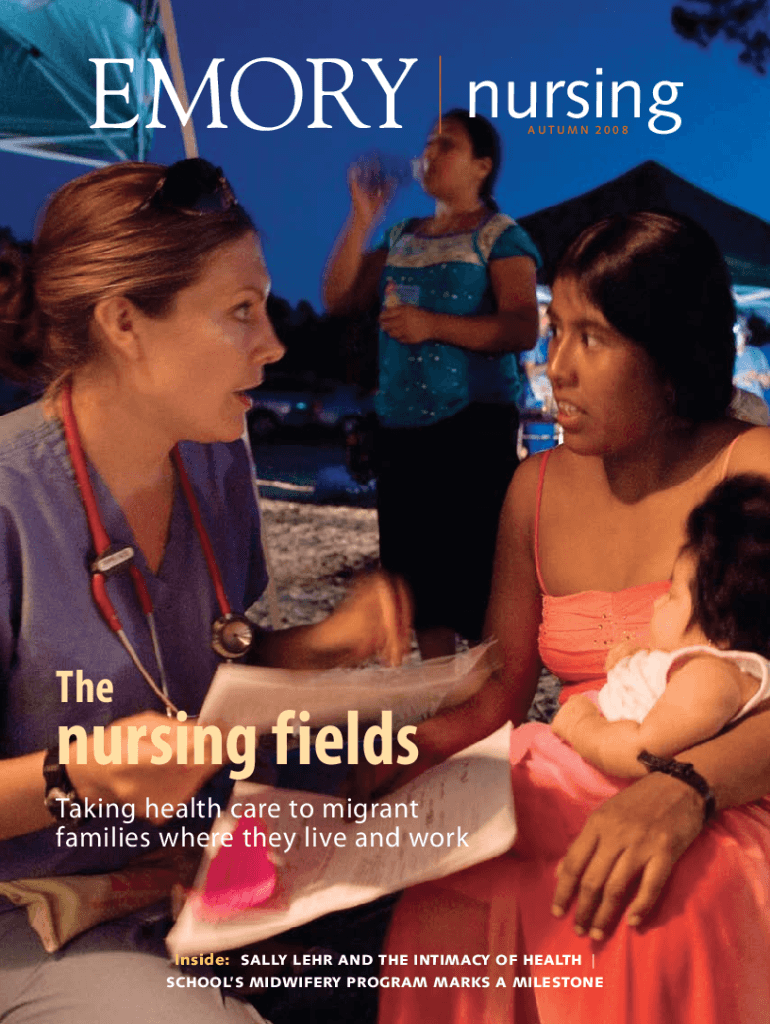
The concept of "nursing fields nursing The Taking health care to migrant" centers on providing health care services to migrant populations through various nursing disciplines. This initiative aims to ensure that nurses from different specialties collaborate effectively to address the unique health needs of migrants, who often face challenges such as language barriers, limited access to care, and varying cultural contexts.
Core Principles
- Inclusivity: Health care programs designed to serve migrant communities must be inclusive, ensuring that services are accessible regardless of cultural or language differences.
- Collaboration: Nurses from different fields, such as pediatrics, obstetrics, and public health, work together to provide comprehensive care.
- Cultural Competence: Understanding and respecting the cultural backgrounds and health beliefs of migrant populations is crucial for effective care delivery.
How to Use the Nursing Fields Nursing The Taking Health Care to Migrant
Engaging in the "nursing fields nursing The Taking health care to migrant" involves a collaborative and multi-disciplinary approach. Here’s how nurses can implement this initiative:
Community Assessment
- Identify Needs: Conduct community assessments to understand the specific health needs and challenges faced by migrant populations.
- Resource Mapping: Identify existing resources and gaps in health care services available to migrants.
Collaborative Care
- Interdisciplinary Teams: Form teams comprising nurses from various specialties to address the diverse health issues prevalent among migrants.
- Workshops and Training: Organize cultural competence training for nurses to enhance their ability to serve diverse populations effectively.
Key Elements of the Nursing Fields Nursing The Taking Health Care to Migrant
Understanding the key components of this initiative is critical for successful implementation:
Essential Components
- Health Promotion: Focus on promoting preventive care to mitigate the long-term health risks faced by migrants.
- Disease Management: Implement strategies for managing chronic conditions prevalent in migrant communities.
- Patient Education: Provide educational resources to help migrants understand and navigate the health care system.
Steps to Complete the Nursing Fields Nursing The Taking Health Care to Migrant
Completing this initiative involves several structured steps:
Step-by-Step Process
-
Assessment & Planning:
- Conduct a needs assessment to identify the primary health concerns within the migrant community.
- Develop a strategic plan that outlines objectives, resources, and expected outcomes.
-
Implementation:
- Launch health promotion campaigns and health fairs catered to migrant populations.
- Deploy mobile clinics to increase access to health services in remote areas.
-
Evaluation & Reporting:
- Monitor the effectiveness of implemented strategies through regular feedback and surveys.
- Adjust programs based on evaluation results to improve health outcomes.
Important Terms Related to Nursing Fields Nursing The Taking Health Care to Migrant
Familiarity with relevant terms is vital in this initiative:
Terminology Overview
- Cultural Competence: The ability of health care providers to understand and respect patients' cultural differences.
- Health Disparities: Differences in health outcomes among different population groups.
- Bilingual Services: Health care services provided in more than one language to accommodate non-English speaking populations.
Why Should You Involve Nursing Fields Nursing The Taking Health Care to Migrant
Engaging in this initiative offers significant benefits to both the nursing profession and migrant communities:
Advantages for Nurses and Migrants
- Enhanced Skills: Nurses develop better cultural awareness and communication skills.
- Improved Health Outcomes: Migrants receive timely and appropriate care, reducing health disparities.
- Community Support: Building trust within migrant communities fosters better health-seeking behaviors.
Who Typically Uses the Nursing Fields Nursing The Taking Health Care to Migrant
This initiative is primarily utilized by:


Target Users
- Nursing Organizations: Institutions focused on community health and outreach.
- Public Health Departments: Agencies responsible for addressing population health issues.
- Non-Profit Organizations: Groups that provide health services to underserved populations.
Examples of Using the Nursing Fields Nursing The Taking Health Care to Migrant
Practical examples demonstrate the initiative's application:
Real-World Scenarios
- Mobile Health Clinics: Deploying mobile units to provide vaccinations and health screenings in migrant communities.
- Health Education Workshops: Conducting sessions on nutrition and lifestyle management tailored for the dietary habits of migrant populations.
- Multilingual Health Hotlines: Offering phone-based support in multiple languages to assist migrants with health concerns.
Eligibility Criteria
Specific eligibility requirements must be met for participation:

Criteria for Involvement
- Professional Qualifications: Nurses must possess relevant certifications and licenses.
- Community Commitment: Organizations should have a history of serving diverse and underserved communities.