







Definition & Context
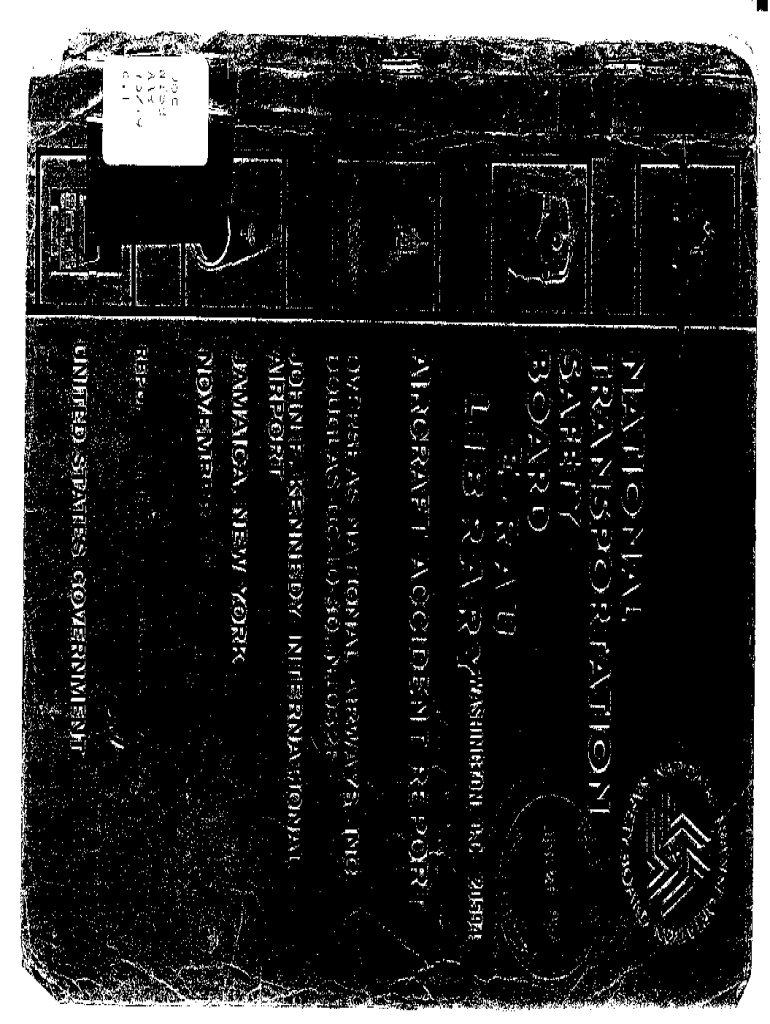
The "Overseas National Airways, Inc, Douglas DC-10-30 - AirDisaster" form is an Aircraft Accident Report crafted by the National Transportation Safety Board (NTSB), focusing on the incident involving Overseas National Airways Flight 032. Occurring on November 12, 1975, at John F. Kennedy International Airport, this tragic accident unfolded as the aircraft, a Douglas DC-10-30, collided with a flock of sea gulls during takeoff. This upset led to the disintegration and subsequent fire of the No. 3 engine. This form dives into the specifics of the accident, assessing causal factors, and issuing improvement recommendations to prevent future occurrences.
Steps to Complete the Overseas National Airways, Inc, Douglas DC-10-30 - AirDisaster
-
Acquire the Form: Locate the Aircraft Accident Report through official channels, either digitally from NTSB archives or in physical form.
-
Review Information: Thoroughly examine each section of the report, from accident details to analysis.
-
Document Analysis: Evaluate the contributing factors, such as bird control inefficiencies and certification failures.
-
Consider Recommendations: Focus on proposed solutions, like enhancing bird hazard management and engine design adjustments.
-
Summarize Findings: Conclude with a comprehensive overview for personal or educational use.
Key Elements of the Overseas National Airways, Inc, Douglas DC-10-30 - AirDisaster
- Accident Summary: Initial overview of the takeoff incident on November 12, 1975.
- Contributing Factors: Insights into the ineffective bird control and engine certification issues.
- Recommendations: Proposed actionable steps for bird hazard management and engine improvements.
How to Use the Overseas National Airways, Inc, Douglas DC-10-30 - AirDisaster
Research professionals and enthusiasts in aviation safety can use this detailed report to understand past failures and implement lessons learned. By studying recommendations, policymakers and engineers can drive advancements in aircraft safety protocols and design.
Important Terms Related to Overseas National Airways, Inc, Douglas DC-10-30 - AirDisaster
- Engine Certification: Regulatory compliance ensuring equipment reliability, a factor scrutinized post-accident.
- Bird Control Measures: Strategies deployed to mitigate avian interference in aircraft operations.
- Douglas DC-10-30: The aircraft model involved, significant for engineering and design considerations.
Why You Should Study the Overseas National Airways, Inc, Douglas DC-10-30 - AirDisaster
Exploring this report aids in comprehending the complexities of aviation hazards, improving safety measures, and preventing future accidents. Industry professionals, students, and researchers can extract valuable lessons applicable to current practices.
Legal Use of the Overseas National Airways, Inc, Douglas DC-10-30 - AirDisaster
The NTSB report serves a crucial role in legal contexts, aiding in the adjustment and enforcement of aviation standards. It stands as a historical document, highlighting the necessity for continuous regulatory evolution.
Examples of Using the Overseas National Airways, Inc, Douglas DC-10-30 - AirDisaster
- Safety Simulations: Utilize report data to develop and test improved bird mitigation strategies at airports.
- Educational Case Studies: Universities may incorporate the incident into aerospace engineering curricula.
- Policy Development: Airlines can refine internal safety protocols to align with the recommendations.
Who Typically Uses the Overseas National Airways, Inc, Douglas DC-10-30 - AirDisaster
- Aviation Safety Regulators: Agencies like the Federal Aviation Administration (FAA) analyze these reports.
- Aircraft Manufacturers: Entities utilize findings to enhance future design and certification procedures.
- Academics and Researchers: Those studying aviation safety and engineering can derive extensive learnings.


State-Specific Rules for the Overseas National Airways, Inc, Douglas DC-10-30 - AirDisaster
Although the incident occurred in New York, the lessons apply universally, with each state needing to adapt recommendations to their unique aviation environment, ensuring adherence to federal regulations while addressing locale-specific concerns.
Who Issues the Form
The form is issued by the National Transportation Safety Board (NTSB), the federal agency tasked with investigating transportation accidents and enhancing travel safety standards across the United States.




