Live Donor to Deceased Donor Waiting List Exchange Program - ucsfhealth 2026

Get Form
Live Donor to Deceased Donor Waiting List Exchange Program - ucsfhealth Preview on Page 1

Here's how it works

01. Edit your form online
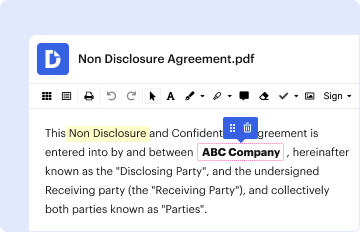
Type text, add images, blackout confidential details, add comments, highlights and more.
02. Sign it in a few clicks
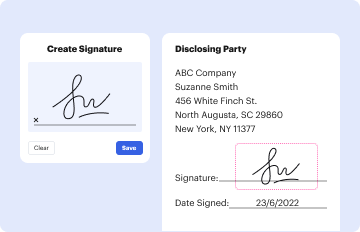
Draw your signature, type it, upload its image, or use your mobile device as a signature pad.
03. Share your form with others
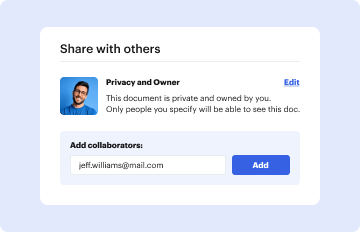
Send it via email, link, or fax. You can also download it, export it or print it out.

How to use or fill out Live Donor to Deceased Donor Waiting List Exchange Program - ucsfhealth with our platform

Form edit decoration
9.5
Ease of Setup
DocHub User Ratings on G2
9.0
Ease of Use
DocHub User Ratings on G2
  1. Click ‘Get Form’ to open it in the editor.
  2. Begin by reviewing the program details outlined in the document. This includes understanding the purpose, benefits, and risks associated with participating in the exchange program.
  3. Fill out your personal information in the designated fields, ensuring accuracy for effective communication with your transplant coordinator.
  4. Carefully read through the consent section. You will need to indicate your agreement or disagreement by initialing appropriately.
  5. Sign and date the form at the bottom. Ensure that a witness also signs where indicated to validate your consent.
  6. Once completed, save your document and share it directly from our platform with your transplant coordinator for further processing.

Start using our platform today to streamline your form completion process for free!

be ready to get more

Complete this form in 5 minutes or less

Get form

Got questions?

We have answers to the most popular questions from our customers. If you can't find an answer to your question, please contact us.
Contact us
Organ, Eye and Tissue Donation Statistics people die each day while waiting for an organ transplant. 86% of patients waiting are in need of a kidney. 1 out of 3. deceased donors is over the age of 50.
The deceased donation process (Figure 2) The SOTTO has the mandate to supervise and coordinate the entire process of deceased donation and organ allocation along with the donor hospital. The ROTTO and NOTTO are involved in organ sharing outside the SOTTO region.
Figure 1: In paired exchange, an incompatible donor/ recipient pair (such as a mother and son that dont have compatible blood types) are matched with another incompatible donor/recipient pair for a swap. Each donor gives a kidney to the other persons intended recipient.
By registering as an organ donor, individuals can play a direct role in addressing the pressing need for kidneys and contribute to saving lives within their communities and beyond. The demand for kidneys reveals a critical need for individuals to step forward as donors.
Mayo Clinic in Arizona has one of the shortest times to transplant for waitlisted candidates in the nation. On average, patients wait 8 months for a kidney transplant, compared with a wait of 30 months nationally.