ROTATING RESIDENT APPLICATION PAGE 2 2026

Get Form
ROTATING RESIDENT APPLICATION PAGE 2 Preview on Page 1

Here's how it works

01. Edit your form online
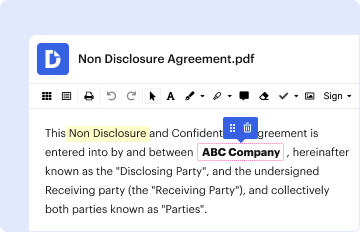
Type text, add images, blackout confidential details, add comments, highlights and more.
02. Sign it in a few clicks
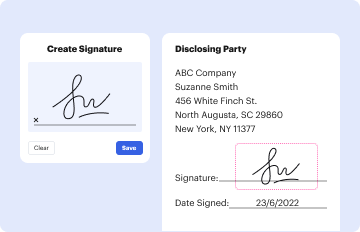
Draw your signature, type it, upload its image, or use your mobile device as a signature pad.
03. Share your form with others
Send it via email, link, or fax. You can also download it, export it or print it out.

How to use or fill out ROTATING RESIDENT APPLICATION PAGE 2 with our platform

Form edit decoration
9.5
Ease of Setup
DocHub User Ratings on G2
9.0
Ease of Use
DocHub User Ratings on G2
  1. Click ‘Get Form’ to open the ROTATING RESIDENT APPLICATION PAGE 2 in the editor.
  2. Begin by entering your name in the designated fields: Last Name, First Name, and Middle Initial. Ensure clarity for accurate processing.
  3. Fill in your pager number and email address for communication purposes.
  4. Indicate your PGY Level at the time of rotation, along with details about your Base Hospital and Program Coordinator's contact information.
  5. Complete the Rotating Hospital section, specifying the department and rotation dates. Clearly state the name of the rotation.
  6. Provide information on previous rotations at this institution and check off whether you have ACLS or ATLS certifications, including their expiration dates.
  7. Detail your residency history, listing each program with its specialty, location, and duration.
  8. Request vacation dates by indicating your first, second, and third choices. Remember that these are subject to approval.
  9. Finally, ensure all checklist items are completed before submitting for review by signing where indicated.

Start filling out your ROTATING RESIDENT APPLICATION PAGE 2 today using our platform for free!

be ready to get more

Complete this form in 5 minutes or less

Get form

Got questions?

We have answers to the most popular questions from our customers. If you can't find an answer to your question, please contact us.
Contact us
Core rotations during the junior and senior residency include inpatient general medical wards, inpatient subspecialty wards, medical intensive care, cardiac intensive care, emergency medicine, medical consultation, ambulatory care, night float, and 4 weeks of vacation.
Rotating residents (RRs) are non-emergency medicine residents who do clinical rotations in the emergency department (ED), comprising a docHub proportion of total ED housestaff.
Review your clinical experiences, research projects, volunteer work, and any extracurricular activities you did. Extract a few key accomplishments for each experience. Be ready to discuss what you learned from these experiences and how they prepared you for the residency.
The four main elements of your application to residency are letters of recommendation, the medical school performance evaluation, and your personal statement and curriculum vitae. Providing complete and accurate information about yourself is crucial to connecting with residency programs during the Match process.
Red Flags Come in Many Forms For medical residency, they include low or failing Step scores, graduating from a medical school outside the United States, prior failure to match, lack of U.S. clinical experience, gaps in medical training, professionalism issues and disciplinary action.

People also ask

Your passion, work ethic, personality and desire to make a positive contribution to the field should be apparent to the reader. Strive to underscore your interest in the specialty by including relevant life experiences, clinical work and research that make your statement stand out and convey your unique qualities.
The residency personal statement should include and reflect: What draws you to the specialty. The skills or qualities that will help you succeed during the residency and as a practicing physician. Your long-term plans, what you hope to accomplish, and your preferred setting.

Related links