






Definition & Meaning
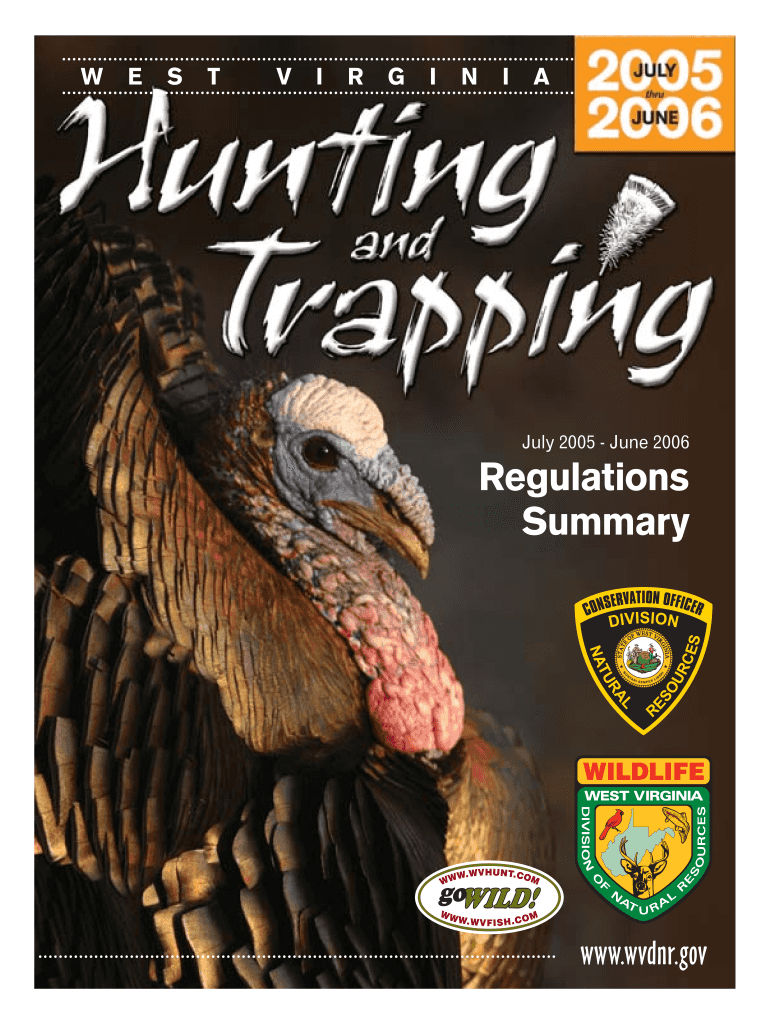
The "General Regulations - West Virginia Division of Natural Resources" refers to a set of rules and guidelines governing natural resource management, conservation, and wildlife-related activities within West Virginia. These regulations ensure sustainable use and protection of natural resources such as game species, forests, and waterways. They aim to balance ecological preservation with recreational and commercial use of the state's natural environment. The regulations cover a wide range of activities, including hunting, fishing, trapping, and land use, ensuring that individuals and organizations comply with specific standards to maintain ecological integrity.
How to Use the General Regulations
Understanding and using the General Regulations involves familiarizing oneself with the rules applicable to the specific activity one intends to undertake. For hunters and fishermen, this means reviewing guidelines on permitted hunting seasons, bag limits, and required licenses. The regulations are typically structured to provide clear instructions and requirements for each type of natural resource activity. It is essential to carefully read and understand the sections relevant to one's activities and ensure compliance to avoid legal repercussions. Engaging with local wildlife officers or participating in educational programs can further clarify the application of these regulations.
Steps to Complete the General Regulations
-
Identify Relevant Sections: Begin by determining which parts of the regulations apply to your intended activities, such as hunting or fishing.
-
Review Licensing Requirements: Check the documentation needed, including necessary permits and any fees applicable.
-
Understand Seasonal Rules: Note the specific dates and times when activities are permitted to avoid violations.
-
Adhere to Quotas and Limits: Be aware of bag limits and species-specific rules to ensure sustainable practices.
-
Secure Compliance Tools: Obtain any necessary gear or technology recommended or required for compliance, such as tagging systems or GPS devices.
-
Consult with Officials: Engage with the Division of Natural Resources for clarification or guidance on any ambiguous regulation.
State-Specific Rules
West Virginia’s regulations have distinctive characteristics that reflect its unique ecological and cultural context. For instance, there may be specific hunting methods allowed only in certain regions, or fishing regulations tailored to the preservation of particular fish populations. Familiarity with these state-specific variations is crucial, as they affect how individuals can interact with the state's natural resources depending on their location and the type of activity. Regional workshops and published materials from the Division of Natural Resources often provide additional insights into these unique regulations.
Key Elements of the Regulations
- License Requirements: Detailed information on who needs a license, types available, and how to obtain them.
- Hunting/Trapping Seasons: Clearly defined timeframes for various wildlife activities.
- Bag and Catch Limits: Maximum amounts of species that can be taken in a day or season.
- Protected Species and Areas: Lists of restricted wildlife and designated conservation zones.
- Enforcement Procedures: Guidelines on how the rules are monitored, and the roles of conservation officers.
Important Terms Related to the Regulations
Understanding the terminology within the regulations is important for compliance. Key terms include:
- Bag Limit: The maximum number of a particular species that can be legally captured.
- Closed Season: Periods when hunting or fishing for certain species is prohibited.
- Habitat Conservation: Efforts and regulations aimed at protecting natural ecosystems.
- Poaching: Illegal hunting or fishing activities.
- Sustainable Yield: The amount of a resource that can be harvested without compromising future supply.
Legal Use of the Regulations
The legal use of these regulations involves adherence to the specified guidelines to conduct activities lawfully. Non-compliance can result in legal penalties such as fines, loss of licensing, or even prosecution. These regulations are enforced by conservation officers who have the authority to inspect, cite, and arrest individuals violating the laws. Understanding the legal implications of these rules helps ensure that individuals and organizations partake in environmentally responsible practices.
Examples of Using the Regulations
- Hunting Season Compliance: A deer hunter must check the specific dates for the current hunting season, obtain a hunting license and ensure compliance with gear restrictions.
- Fishing in Restricted Waters: An angler planning to fish in a designated conservation area must understand catch-and-release rules and prohibited equipment.
- Trapping Regulations: A trapper targeting furbearer species must be knowledgeable about the types of traps allowed and reporting requirements for harvests.
Penalties for Non-Compliance
Failure to adhere to the General Regulations can lead to serious consequences, including:
- Fines: Monetary penalties for violations.
- License Revocation: Loss of hunting or fishing privileges.
- Court Prosecution: Legal action that may result in criminal records.
- Equipment Confiscation: Seizure of tools used in illegal activities.
Efforts to educate and communicate these penalties are part of the state's strategy to encourage compliance and responsible resource management.