




01. Edit your blood draw consent form online
Type text, add images, blackout confidential details, add comments, highlights and more.

Type text, add images, blackout confidential details, add comments, highlights and more.

Draw your signature, type it, upload its image, or use your mobile device as a signature pad.

Send blood draw consent form via email, link, or fax. You can also download it, export it or print it out.
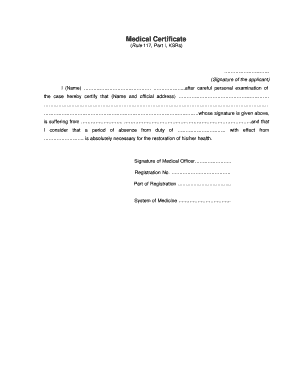
The blood draw consent form is a legal document that grants permission for the collection of an individual's blood sample by authorized personnel. This form is critical in both medical and legal contexts, serving as documentation that the individual voluntarily agreed to the procedure. It outlines the purposes for which the blood sample may be used, such as medical testing or legal proceedings, making it essential for protecting the rights and autonomy of the person being tested. The form must include comprehensive details about the procedure, its risks, and the rights of the individual, ensuring informed consent is obtained.
To effectively use the blood draw consent form, it is crucial to follow a systematic approach:
Read Thoroughly: Before signing, individuals should carefully read the entire form to understand the procedure, its purpose, and any potential risks involved.
Provide Personal Information: The form will require the individual's personal details, including name, address, and contact information.
Understand Legal Implications: Individuals should be aware of the legal ramifications of consenting to the blood draw, particularly in cases where the results might impact legal proceedings.
Signature and Date: The consent form must be signed and dated to indicate that consent is given freely and with full understanding.
Witness Information: In some cases, a witness may be required to verify the individual’s consent.
By ensuring each step is thoroughly completed, the blood draw consent form becomes a robust record of the individual's consent.
Completing a blood draw consent form involves several detailed steps:
Information Verification: Ensure all personal and procedural information on the form is accurate.
Disclose Medical Conditions: Report any relevant medical history that could influence the blood draw procedure.
Review Consent Language: Pay attention to the language used to ensure comprehension of the consent being granted.
Confirm Understanding of Risks: Acknowledge understanding of any potential risks or discomforts associated with the blood draw.
Finalize with a Signature: Provide a signature to affirm that the consent is informed and voluntary.
Witness Signature (If Required): Some institutions may require a witness to sign, verifying that consent was given properly.
By following these steps, individuals can ensure they have accurately completed the consent form.
The legal use of a blood draw consent form is multifaceted and must adhere to applicable laws and regulations:
Informed Consent: Legally, obtaining consent before a blood draw ensures compliance with regulations protecting individual autonomy.
Documentation: The form serves as legal documentation that the procedure was agreed to, which is critical in any subsequent legal or medical disputes.
Specific Use Cases: In scenarios such as DUI checks, the consent form becomes particularly pertinent, as the results may have significant legal consequences.
In all legal contexts, maintaining robust records through a detailed consent form is essential to uphold rights and ensure procedural transparency.
A comprehensive blood draw consent form should include key elements to ensure validity and compliance:
Personal Information: Full name, date of birth, and contact details of the participant.
Purpose of Blood Draw: Detailed reasons for the blood draw, including any specific tests or investigations.
Explanation of Procedure: A clear description of how the procedure will be carried out, outlining any potential risks or discomforts.
Legal Rights: Information on the individual’s rights to refuse or withdraw consent at any point.
Confidentiality Clause: Assurance of the handling and privacy of the blood sample.
Each of these elements plays a crucial role in crafting a form that is both informative and compliant with legal standards.
Different states may impose varying rules and requirements for blood draw consent forms:
Variations in Required Information: Some states might demand more detailed explanations of risks or additional personal information.
Witness Requirements: Certain jurisdictions may require the presence of a witness or additional signatories.
Age of Consent: The legal age for providing consent independently may vary, with provisions often in place for minors requiring parental consent.
Understanding these state-specific nuances is crucial for ensuring that the form meets local legal requirements and holds up in any related proceedings.
The blood draw consent form is utilized across a variety of domains:
Medical Institutions: Hospitals and clinics use the form for routine and diagnostic procedures requiring blood samples.
Law Enforcement Agencies: Officers may require blood samples for legal testing, such as in DUI investigations, necessitating consent documentation.
Research Facilities: Researchers working on studies involving human subjects might employ consent forms to ethically collect and use blood samples.
Each user type underscores the form’s versatility and necessity in differing contexts, emphasizing its role in maintaining ethical standards and legal compliance.


Several terms are integral to understanding the blood draw consent form:
Informed Consent: A process of ensuring that an individual fully understands the procedure and voluntarily agrees to it.
Confidentiality: A legally protected assurance that personal information and test results will remain private.
Voluntary Consent: Consent given without any form of coercion or undue influence.
Grasping these terms is essential for ensuring the ethical use and legal legitimacy of the consent form across different scenarios and jurisdictions.
We've got more versions of the blood draw consent form form. Select the right blood draw consent form version from the list and start editing it straight away!
| Versions | Form popularity | Fillable & printable |
|---|---|---|
| 2005 | 4 Satisfied (57 Votes) |
At DocHub, your data security is our priority. We follow HIPAA, SOC2, GDPR, and other standards, so you can work on your documents with confidence.


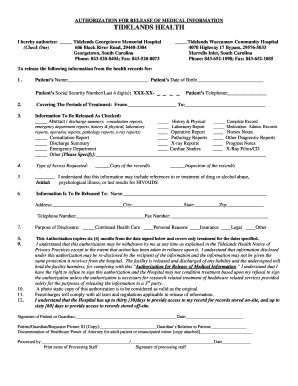
You will not be charged for blood draws that are part of this research study. You or your insurance company will, however, be charged for any portion of yourRead more
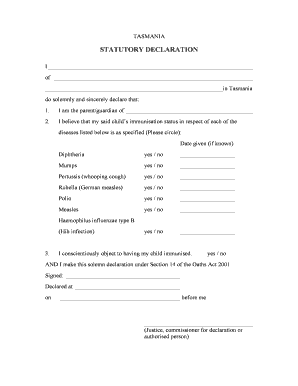
Description: Blood draw consent form for use by law enforcement personnel when collecting a blood sample as part of a DWI investigation.Read more
CADlock requires patients to undergo a blood draw; cannot be disclosed without consent from the patient


