




01. Edit your form online
Type text, add images, blackout confidential details, add comments, highlights and more.

Type text, add images, blackout confidential details, add comments, highlights and more.

Draw your signature, type it, upload its image, or use your mobile device as a signature pad.

Send it via email, link, or fax. You can also download it, export it or print it out.
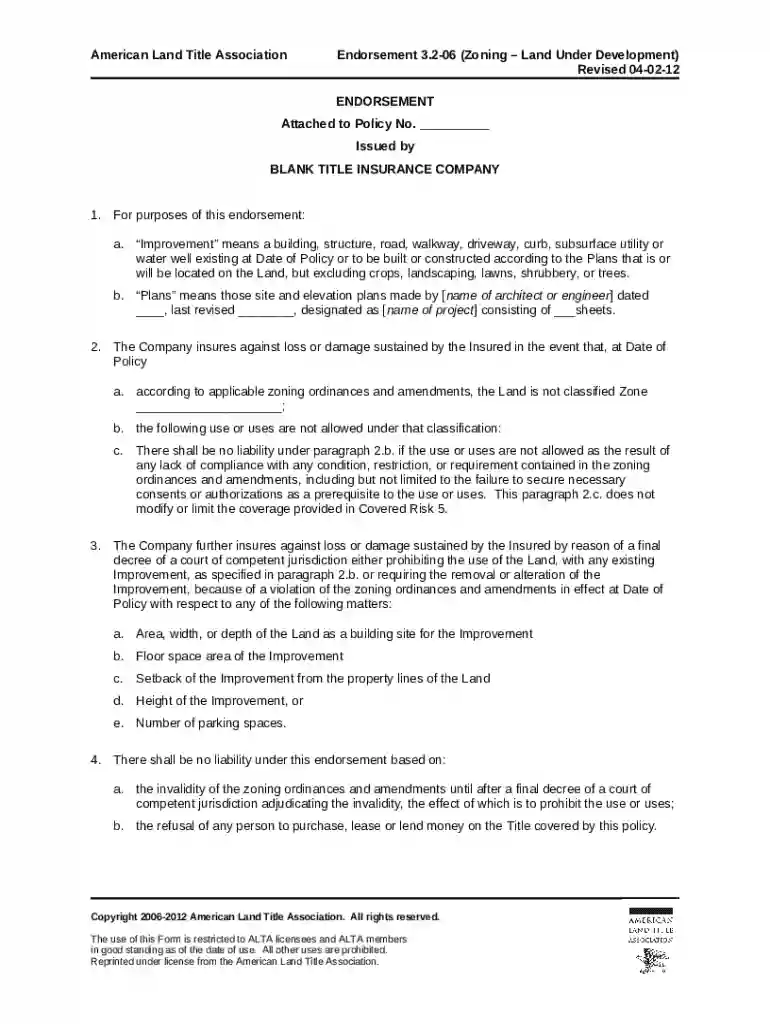
The ALTA Commercial Endorsements are specialized amendments applied to title insurance policies. These endorsements are crafted by the American Land Title Association (ALTA) to provide additional coverage beyond the standard policy, tailored to commercial real estate transactions. They address various aspects such as zoning laws, access rights, and encroachments, offering protection against potential claims that might arise during property development or ownership. In essence, these endorsements ensure that the insured is safeguarded against specific risks not typically covered in the base title insurance.
ALTA Commercial Endorsements can take multiple forms, each designed to address distinct real estate concerns. For instance:
These are just a few examples that highlight the specific issues these endorsements can address, providing targeted risk management in commercial real estate transactions.
Using the ALTA Commercial Endorsements involves understanding the risks associated with a property and selecting appropriate endorsements to mitigate those risks. Here's a step-by-step overview of the process:
Consider a commercial developer planning to build a shopping center. The developer would consult with their insurer to obtain relevant ALTA endorsements such as zoning and access, ensuring protection against zoning disputes or access issues that could impede construction or operation.
The ALTA Commercial Endorsements contain several key elements designed to offer comprehensive protection:
For instance, in a zoning endorsement, 'Improvement' may include any new constructions or alterations to existing structures. The policy provides coverage if zoning laws adversely affect these improvements.
The primary users of ALTA Commercial Endorsements are entities involved in commercial real estate transactions. This includes:
A real estate investment firm purchasing land for a new office park might use ALTA zoning and access endorsements to safeguard against zoning use disputes and guarantee essential property access routes.
These endorsements must be used in compliance with legal and regulatory requirements, ensuring they are applied correctly to protect both the insurer and the insured. The endorsements are restricted to use by ALTA licensees and members, ensuring standardization and reliability across all commercial transactions.
Legal professionals often guide clients on ensuring endorsements are used within the scope of federal, state, and local laws to avoid legal complications and maintain coverage validity.
To obtain these endorsements, engage with a licensed title insurance provider. The process typically involves:
A commercial real estate broker may work closely with a title company to gather relevant property documents and negotiate necessary endorsements, ensuring a client's transaction proceeds with reduced risk.
While ALTA sets the primary framework, individual states may have additional rules affecting the applicability and coverage scope of these endorsements. State-specific variations can arise from differences in local real estate laws, zoning regulations, and practice standards.
Understanding these nuances is essential for ensuring endorsements are tailored effectively to meet local requirements.
Modern technology facilitates the integration of ALTA Commercial Endorsements into digital workflows, streamlining their application and management:
Real estate professionals often leverage such software to ensure all documented endorsements are accessible, up-to-date, and aligned with client needs, enhancing efficiency and accuracy in real estate transactions.
At DocHub, your data security is our priority. We follow HIPAA, SOC2, GDPR, and other standards, so you can work on your documents with confidence.
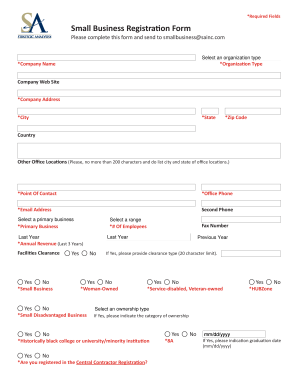

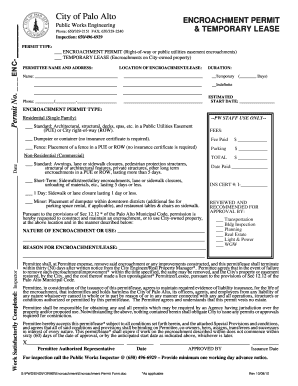
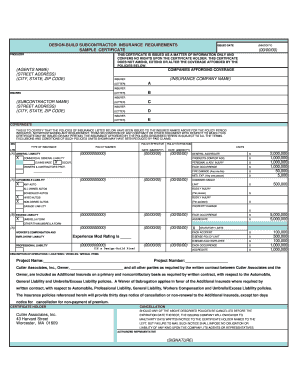


ALTA Title Insurance Endorsements and Endorsement Guide Addendum|Commercial Real Estate Financing 2019. Chapter 11: First American Title National Commercial
- Commercial ALTA Endorsement. The use of this Form is restricted to ALTA licensees and ALTA members
Commercial installation of buffer strips and riparian corridors has been successfully accomplished. commercial products does not constitute endorsement or


