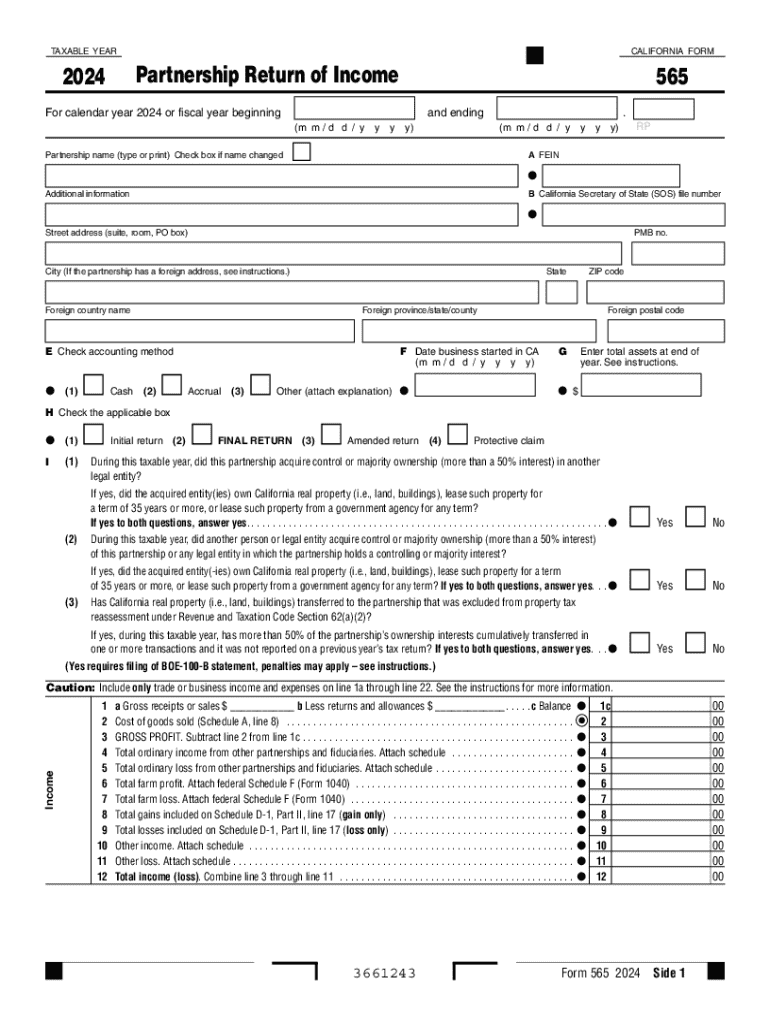







Definition & Meaning
The "Income Tax: Revenue Service adjusts monthly, annual," is a mechanism through which revenue services, such as the IRS in the United States, periodically reassess and modify tax rates, guidelines, and thresholds. This adjustment ensures that tax systems remain fair, equitable, and aligned with economic changes and policy objectives. Such adjustments can affect both individual taxpayers and businesses, influencing their financial planning and compliance obligations. This ongoing recalibration process plays a critical role in maintaining a balanced fiscal environment.
How to Use the Income Tax: Revenue Service Adjusts Monthly, Annual
Understanding how to apply these adjustments in your financial practices is crucial for compliance and efficient tax management. Taxpayers should:
-
Stay Informed: Regularly consult the IRS website or trusted financial news sources to be aware of any changes in tax regulations.
-
Adjust Bookkeeping: Ensure that your financial records are updated to reflect new tax rates and guidelines.
-
Review Withholding: For employees, check your paycheck withholding to ensure it aligns with new tax tables, avoiding surprises at tax time.
-
Consult Tax Professionals: Engage with a tax advisor to navigate adjustments, especially if your financial situation has changed significantly.
-
Use Software Tools: Leverage tax preparation software that automatically updates with the latest tax code changes to simplify compliance.
Steps to Complete the Income Tax: Revenue Service Adjusts Monthly, Annual
-
Gather Documentation: Compile all necessary financial documents, such as W-2s, 1099s, and relevant receipts for deductions.
-
Download the Latest Form: Ensure you have the most recent version of any tax forms affected by the adjustments.
-
Understand New Rates: Review the revised tax brackets and rates to calculate accurate tax liabilities.
-
Fill Out the Form: Using precise figures, complete the required fields as per the latest instructions and guidelines.
-
Double-Check Entries: Ensure all information is accurate and the computations are correct to avoid errors.
-
Submit Through the Preferred Channel: Decide whether to file electronically or through physical mail, taking into account any specific submission instructions outlined by the IRS.
Key Elements of the Income Tax: Revenue Service Adjusts Monthly, Annual
-
Tax Brackets: Changes to the income ranges that determine applicable tax rates for different demographics.
-
Standard Deduction Adjustments: Alterations to the base deduction amount available to taxpayers.
-
Tax Credits: Modifications to existing credits, potentially altering their value or eligibility criteria for taxpayers.
-
Exemption Limits: Changes to exemption amounts that might affect personal taxable income calculations.
-
Thresholds for Itemized Deductions: Updates can affect the way some taxpayers calculate their itemized deductions, influencing overall tax liability.
Important Terms Related to Income Tax: Revenue Service Adjusts Monthly, Annual
-
Marginal Tax Rate: The rate at which the last dollar of income is taxed, often adjusted annually.
-
Effective Tax Rate: Average tax rate paid, calculated as the total tax paid divided by total income, highlighting the practical impact of rate adjustments.
-
Tax Credit vs. Tax Deduction: Credits reduce your tax liability directly, while deductions lower the taxable income.
-
Indexation: A mechanism by which tax brackets are adjusted to counteract inflation, ensuring that taxpayers' liabilities remain fair throughout varying economic conditions.
IRS Guidelines
IRS guidelines, updated annually, provide detailed instructions on applying tax law changes efficiently and consistently. They offer:
-
Clarification on New Rules: Ensuring taxpayers understand how changes impact filing procedures and compliance obligations.
-
Compliance Tips: Expert advice on maintaining adherence to the latest rules while optimizing deductions and credits.
-
Filing Assistance: Information on tools and resources available to help streamline tax preparation.
Filing Deadlines / Important Dates
-
Annual Deadline: Traditionally, the filing deadline for individual returns in the U.S is April 15, unless adjustments or extensions are granted.
-
Quarterly Estimated Taxes: Required for taxpayers with significant non-wage income, typically due in January, April, June, and September.
-
Amendments and Extensions: IRS guidelines detail processes and timelines for submitting amendments to previously filed returns or applying for filing extensions.
Penalties for Non-Compliance
Non-compliance with updated tax rules can result in penalties, such as:
-
Late Filing Penalty: Charged when returns are not filed by the deadline, accruing over time until submission.
-
Accuracy-Related Penalty: Imposed for significant discrepancies between reported and actual tax liabilities due to negligence or disregard for the rules.
-
Failure to Pay Penalty: Assessed on unpaid taxes as of the filing deadline, which can accumulate interest over time.
Understanding these penalties encourages timely and accurate filing, emphasizing the importance of adapting to "Income Tax: Revenue Service adjusts monthly, annual," changes.