







Definition and Meaning
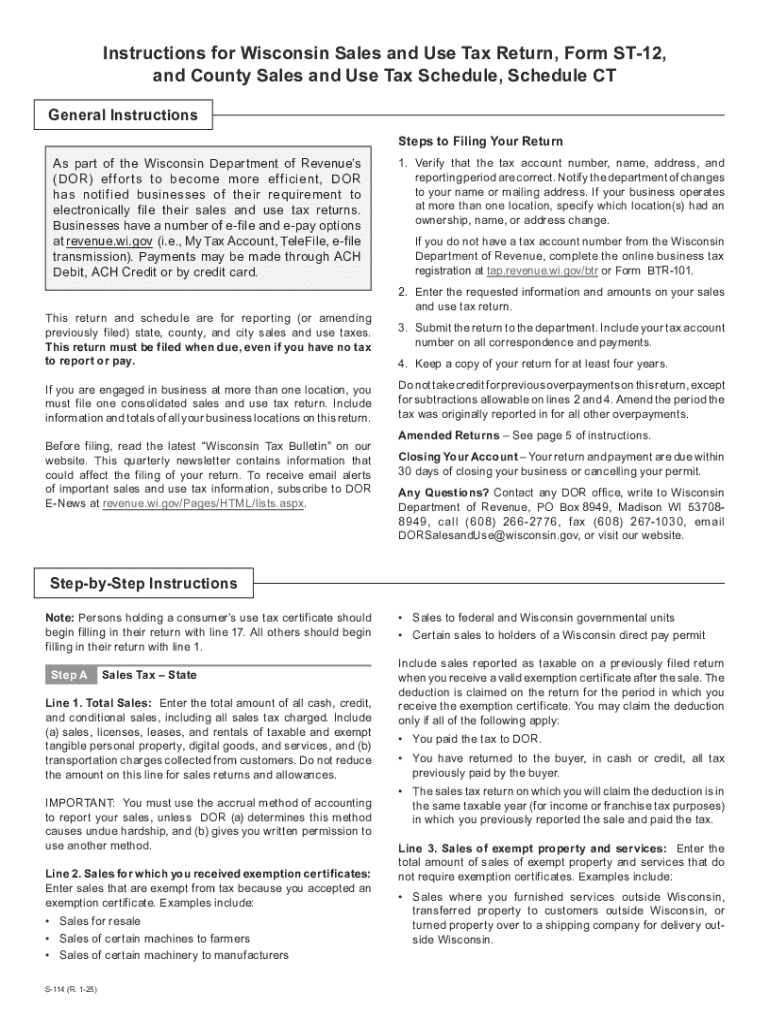
The Sales Tax Forms - DOR are official documents that businesses must use to report and remit sales taxes collected from customers. These forms serve as a communication tool between businesses and the state Department of Revenue (DOR), ensuring compliance with state tax laws and regulations. The forms are crucial for documenting sales activities, calculating taxes owed, and confirming that all required tax payments are made promptly to the state treasury.
How to Use the Sales Tax Forms - DOR
Using the Sales Tax Forms - DOR involves several important steps. First, businesses need to accurately log all sales transactions that occurred in a given period. This includes determining taxable sales, tax rates, and any applicable exemptions. The form provides specific fields where businesses must detail these figures. After completing the form, businesses calculate the total tax liability and any potential credits, such as taxes paid on goods for resale. Finally, the completed form and payment must be submitted to the DOR by the deadline.
Obtaining the Sales Tax Forms - DOR
Businesses can obtain Sales Tax Forms - DOR through various methods. These forms are typically accessible online via the state's Department of Revenue website, allowing for easy download and printing. In some states, businesses may also request paper forms by calling or visiting a local DOR office. Additionally, forms are often available through accounting or tax preparation software that offers direct links to state tax forms, streamlining the process for users.
Steps to Complete the Sales Tax Forms - DOR
- Gather Required Information: Collect all sales data, including gross sales, taxable sales, and any exempt sales.
- Fill Out the Form: Enter business information, tax period dates, and sales data into the appropriate sections of the form.
- Calculate Tax: Use the form’s instructions to compute the total sales tax due, factoring in any deductions or credits.
- Review and Verify: Double-check all entries for accuracy to avoid errors that may lead to penalties.
- Submit and Pay: File the completed form and submit payment through the DOR's designated methods, such as electronic filing or mailing.
Why You Should Use the Sales Tax Forms - DOR
Completing the Sales Tax Forms - DOR is not only a legal obligation but also essential for maintaining good financial standing. Proper use of these forms helps prevent legal issues, such as audits or fines, that can arise from non-compliance or inaccurate reporting. Moreover, regular filing of sales tax forms allows businesses to track their fiscal performance and ensure proper fund allocation.
Important Terms Related to Sales Tax Forms - DOR
- Gross Sales: The total revenue a business earns from sales before deducting any expenses or taxes.
- Taxable Sales: Sales subject to state sales tax, excluding exemptions.
- Exempt Sales: Sales that are not subject to state sales tax due to specific exemptions.
- Tax Liability: The total amount of sales tax a business owes for a reporting period.
- Credits: Deductions allowed for taxes already paid on certain transactions.
Legal Use of the Sales Tax Forms - DOR
Sales Tax Forms - DOR must be used in accordance with state regulations. Legal use of these forms involves timely, accurate, and honest reporting of all taxable activities. Businesses are responsible for understanding state-specific rules regarding tax rates, exemptions, and reporting deadlines. Non-compliance can result in penalties, interest charges, and potential legal action from the DOR.
State-Specific Rules for the Sales Tax Forms - DOR
Each state has its set of rules governing the use of Sales Tax Forms - DOR. For example, certain states mandate electronic filing, while others allow paper submissions. Tax rates and exemptions also vary by state, affecting how businesses calculate their tax liability. Therefore, it's crucial for businesses to familiarize themselves with their state's specific requirements to ensure compliance and accurate reporting of sales tax obligations.




