
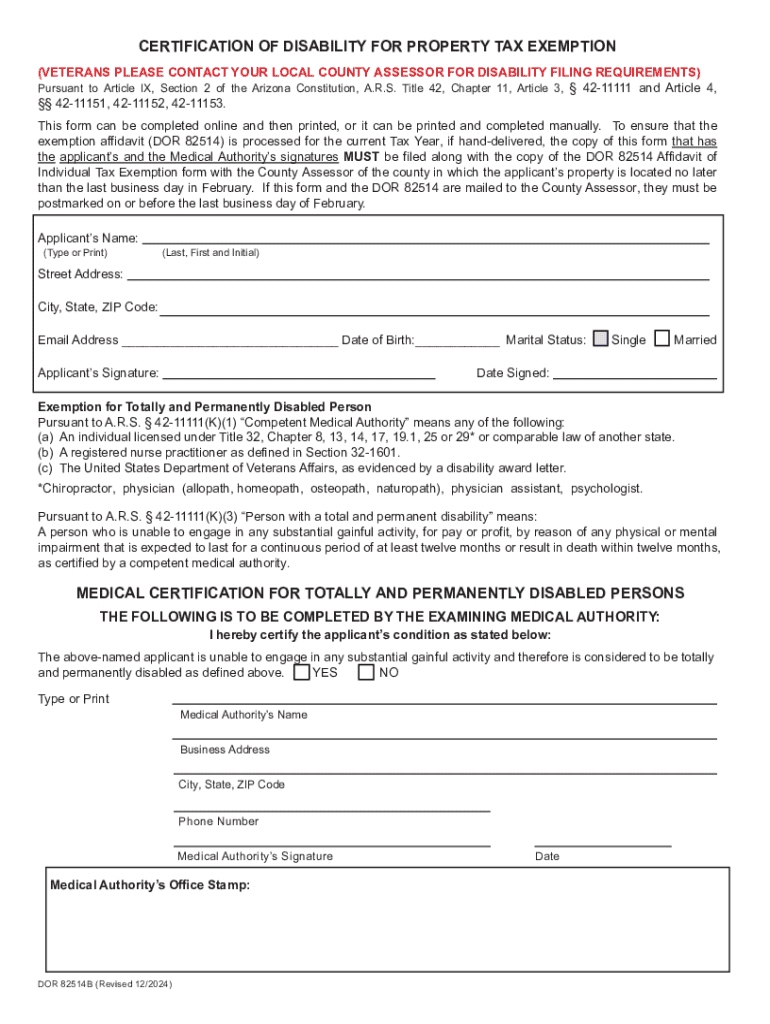







Key Elements of the Form Online
When engaging with the process of filling out forms online, there are several key elements that users need to understand to ensure a smooth experience. These elements often include fillable fields, which are interactive sections designed to capture the necessary information. They typically include text areas, checkboxes, dropdown menus, and signature fields. Each fillable field can be customized for specific needs, such as making certain fields mandatory to ensure complete data entry.
Additionally, the structure of the form is crucial. Forms that are well-structured help guide users in providing accurate and comprehensive information. This may involve the logical grouping of related fields, providing clear instructions, and ensuring that fields are properly labeled to avoid confusion.
Design plays a significant role as well. A user-friendly interface with intuitive navigation ensures users can move through the form efficiently. Accessibility features, keeping in mind mobile and desktop users, are also essential, as they enable a broader audience to interact with the form seamlessly.
Steps to Complete the Form Online
-
Access the Form: Reach the form through a website or a link provided by the requesting entity, ensuring that you have a reliable internet connection.
-
Understand Instructions: Carefully read any accompanying instructions or guidelines to understand the requirements and necessary information.
-
Fill Required Fields: Enter your data into mandatory fields first. Red asterisks or bold labels usually denote these fields. Skipping these might prevent the form from being submitted.
-
Attach Documents: If the form requests additional documents, ensure you have them ready in the required format, typically PDF or JPEG, and attach them as specified.
-
Review and Confirm: Before submitting, review your entries for accuracy to avoid any typographical errors which might delay processing.
-
Submit the Form: Once everything is verified, locate the submit button and click it to send your completed form. You may receive a confirmation email or page letting you know the submission was successful.
-
Save a Copy: If possible, save a copy of the form and confirmation for your records. This might prove essential in the event of any discrepancies or questions about your submission.
Advantages of Using the Form Online
The primary advantage of using forms online is convenience. Online forms can be accessed and submitted 24/7 from anywhere with an internet connection, eliminating the need for physical visits to an office or mailing. This flexibility is particularly beneficial for individuals with busy schedules or limited mobility.
Online forms also ensure quicker processing times. Digital submissions can often be processed faster than their paper counterparts because the data can be easily integrated into existing systems without manual input. This efficiency can be crucial in time-sensitive scenarios.
Online platforms can incorporate automated validation to reduce the likelihood of errors. These checks ensure that data entered meets the format criteria and prompts users to correct errors before submission, increasing the accuracy of collected information.
How to Obtain the Form Online
The process of obtaining forms online generally involves visiting the official website of the entity requiring the form. Whether it's for a government agency, a financial institution, or a service provider, most entities now offer downloadable forms directly on their websites.
Upon visiting the respective website, users should navigate to the 'Forms' or 'Resources' section. These sections typically contain a list of available forms categorized by purpose. Users can either download these forms directly to their devices or fill them out online if interactive versions are available.
Another way to obtain forms is through email requests. Certain organizations may send forms directly to you upon request, ensuring you receive the most recent and relevant versions.
Legal Use of the Form Online
The legal implications of using forms online can vary depending on the nature and jurisdiction of the form. When conducting transactions or agreements digitally, compliance with legal standards like the ESIGN Act is essential. This ensures that electronic signatures and submissions have the same legal standing as their handwritten or paper-based equivalents.
Furthermore, certain forms may be designed for specific regulatory purposes, such as tax filings or legal declarations. Ensuring compliance with federal and state regulations when filling out and submitting these forms prevents potential legal disputes or penalties.
Required Documents
Completing forms online often requires attaching supplemental documents to provide additional information or verify the data entered. These documents might include identification, proof of address, financial statements, or medical reports, depending on the form's purpose.
It is crucial to ensure that these documents are up to date and clearly formatted. Typically, PDFs are preferred for their professional appearance and non-editable nature. Familiarity with the requirements for the specific form in question is vital, as incomplete or incorrect submissions could delay or nullify the form's processing.
Software Compatibility
Online forms sometimes require compatibility with specific software applications to ensure successful completion and submission. Compatibility issues are rare but can affect how a form is viewed or filled out.
Most modern forms are designed to be cross-platform and work seamlessly with popular web browsers like Chrome, Firefox, Safari, and Edge. If the form needs to be downloaded and filled out offline, Adobe Acrobat Reader could be necessary for accessing PDF forms. For integration with other systems, certain forms might be compatible with business software like QuickBooks or TurboTax, particularly for financial submissions.
Penalties for Non-Compliance
Failing to correctly complete and submit online forms on time can result in penalties ranging from fines to more significant legal repercussions, depending on the form's nature. This is particularly true for forms with regulatory or legal significance, such as tax documents or licensing applications.
In some cases, inadequate submission, missing documents, or unverified information can result in the voiding of applications or denial of requests, leading to delays or additional fees. Ensuring a thorough review of the form instructions and a double-check on the provided information can help mitigate these risks.




