




Definition and Meaning
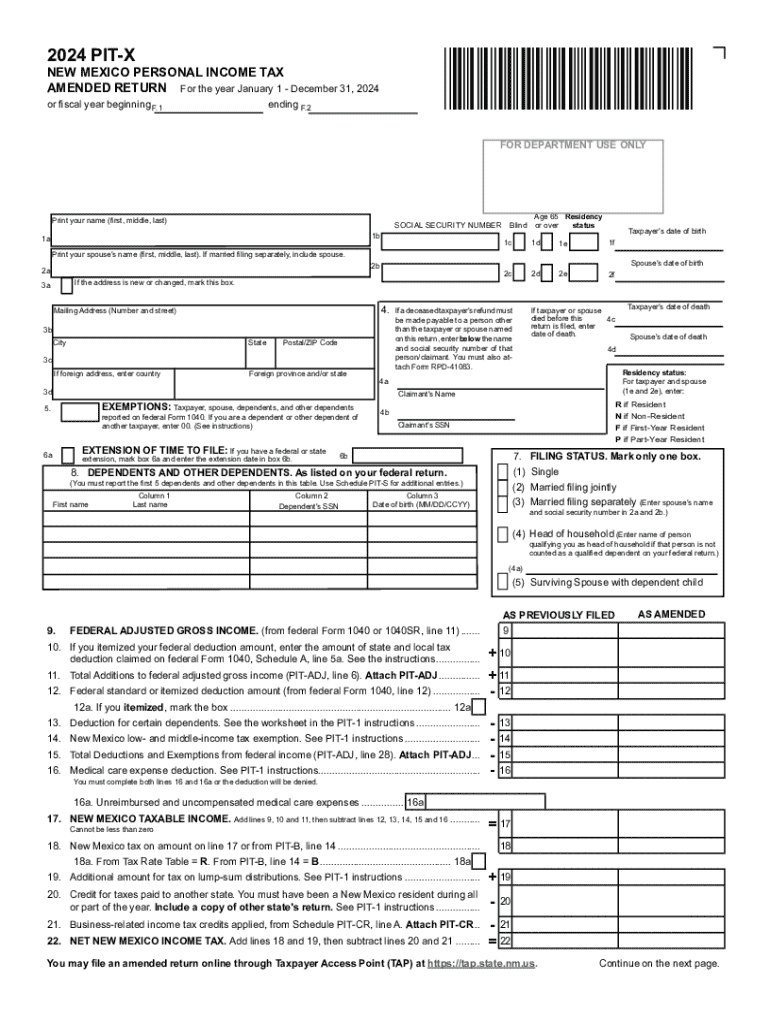
The term "form online" refers to digitized documents that users can fill out, submit, and process via the internet. These forms eliminate the need for physical paperwork, allowing for a more streamlined and efficient way to manage various tasks, such as applications, registrations, and administrative functions. By utilizing online forms, individuals and organizations can quickly gather and manipulate data without the hassle of manual input or mailing, making processes faster and more accessible.
How to Use the Form Online
To use an online form, navigate to the website hosting the form, such as DocHub. Next, ensure you have all the required information at hand, as online forms often need specific data inputs. Input the necessary details following the prompts on the screen. Some forms might offer features such as dropdown menus, checkboxes, and text fields, which help guide you in providing the correct information. Once all fields are completed, review your inputs for accuracy and submit the form by clicking the designated button. The platform may provide an opportunity to download or print a copy of your submission for personal records.
How to Obtain the Form Online
Obtaining forms online involves visiting a website where the form is hosted, such as a government page, an organization's portal, or a platform like DocHub. Once on the site, forms can often be found under a specific section dedicated to forms or applications. Some websites include search functions to quickly locate the desired form by name or category. Upon finding the form, you can directly access it on the platform or download a copy to fill out using compatible software. If retrieval requires specific steps, such as logging in or agreeing to terms, those must be followed accordingly.
Steps to Complete the Form Online
- Access the Form: Visit the website providing the form, ensuring you are using a secure and compatible browser.
- Fill Out Required Entries: Start entering your data in mandatory fields, ensuring accuracy and completeness.
- Review and Edit: After filling out the form, check for errors or omissions and make necessary corrections.
- Submit the Form: Finalize your submissions by clicking the "submit" button; confirmations may display to indicate successful submissions.
- Save Confirmation: For record-keeping, download, or print the confirmation screen or any message indicating successful form submission.
Why Should You Form Online
Using forms online offers numerous benefits, notably convenience, accessibility, and speed. This method reduces paper usage and physical storage needs, aligning with environmentally friendly practices. Form processing becomes almost instantaneous, reducing wait times associated with mail services or in-person submissions. Additionally, online forms often include automated error-checking features and intuitive prompts, making it difficult to leave out necessary information.
Key Elements of the Form Online
Online forms typically consist of several key elements that aid in data collection. These include:
- Text Fields: Allow entry of numbers, text, and special characters.
- Checkboxes and Radios: Enable users to select from given options.
- Dropdown Menus: Provide a list of choices for a specific field.
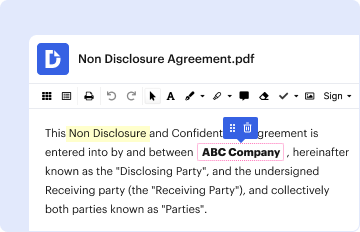
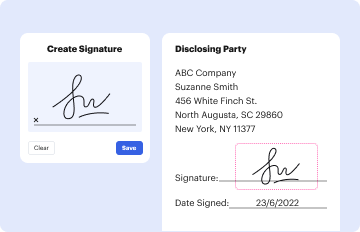
- Signature Fields: For electronic signing of the document.
- Attachments: Spaces to upload relevant files or documents.
Understanding these elements ensures accurate and efficient form completion.
Legal Use of the Form Online
Online forms, especially those related to taxes or legal documents, must comply with U.S. regulations concerning digital transactions and signatures. The ESIGN Act and Uniform Electronic Transactions Act (UETA) in the United States provide a legal framework for accepting digital signatures, making electronic forms valid and enforceable. Users should ensure that any electronic form they submit meets these legal standards to be considered legitimate for official purposes.
Form Submission Methods
Online forms can generally be submitted simply by clicking a designated submit button on the hosting website. However, other methods include:
- Email Submission: Forms may be downloaded, filled out, and emailed to the specified address.
- Cloud Storage Links: Some platforms allow form submissions via shared cloud storage links.
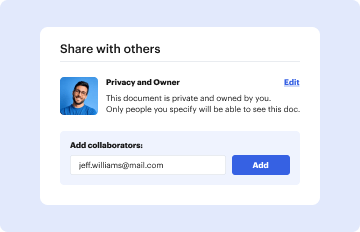
- Direct Integration: Platforms like DocHub may offer integration capabilities that instantly forward your form to another app or service.
Choosing the right submission method often depends on the sensitivity of the information and user preferences.