




Definition and Meaning of Form Online
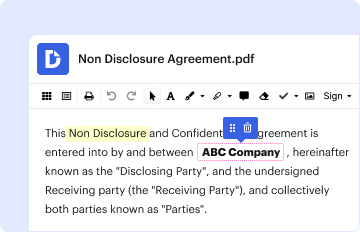
Forms online refer to digital versions of documents traditionally completed on paper. These electronic documents streamline data collection and workflow management across various industries. By leveraging online forms, users can efficiently gather information, signatures, and approvals without the hassle of physical paperwork. Forms can range from basic surveys to complex government applications, offering diverse fields such as text boxes, dropdown menus, and checkboxes to capture specific data types.
Steps to Complete the Form Online
-
Access the Form: Begin by accessing the form from a reputable online platform like DocHub, which offers seamless integration with various cloud services.
-
Understand the Instructions: Before filling out the form, carefully read the included instructions to ensure accurate completion.
-
Enter Personal Details: Populate the form with your personal and relevant information, such as your name, address, and contact details.
-
Fill Required Fields: Ensure all mandatory fields are completed. Fields often marked with an asterisk (*) are typically required.
-
Attach Additional Documents: If needed, append supporting documents directly to the form using the platform's file attachment capabilities.
-
Review for Accuracy: Double-check all entries for accuracy and completeness to avoid submission errors.
-
Submit the Form: Once finalized, submit the form electronically for processing through the same platform.
How to Obtain the Form Online
Obtaining forms online is a straightforward process. Most organizations host forms on their official websites or partner platforms like DocHub. Begin by searching for the required form using the site's search function or through general internet search engines. Download the form directly to your device or open it using the platform's editor for immediate completion. Ensure the source is credible and aligns with your needs, particularly when dealing with official documents.
Key Elements of the Form Online
- User-Friendly Interface: Intuitive layout for easy navigation.
- Fillable Sections: Includes fields for text, checkboxes, and dropdowns.
- Instructional Guides: Provides detailed instructions supporting users through the completion process.
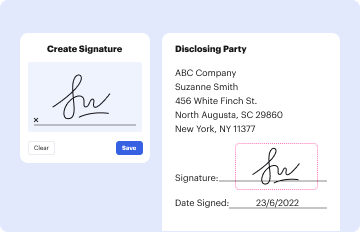
- Signature Fields: Allows for digital or electronic signatures, ensuring authenticity.
These elements ensure the form serves its primary purpose and aids both the user and the receiving entity in achieving a streamlined data collection process.
Legal Use of Form Online
The legal use of online forms, particularly those that require signature verification, is governed by acts such as the ESIGN Act in the United States. This legislation ensures that electronically signed documents hold the same legal weight as their handwritten counterparts. Legal compliance is crucial, and platforms like DocHub adhere strictly to these regulations, offering secure signature collection and audit trails to verify document integrity.
Important Terms Related to Form Online
Understanding specific terminology is vital to efficient form completion:
- Digital Signature: A cryptographic method to verify the authenticity and integrity of a digital document.
- Fillable Field: Designated areas within a form where users input data.
- Encryption: Technology applied to protect data during electronic transmission.
- OAuth 2.0: A framework used for secure account access and identity verification.
These terms underscore the importance of security and ease of use when dealing with online forms.
Required Documents for Form Submission
Submitting a form online may require additional documentation, depending on the form's nature:
- Identification Proof: Such as a driver's license or passport.
- Supporting Documents: Relevant to the form's purpose—financial statements, tax documents, or letters of reference.
- Previous Form Versions: When amendments or updates are required.
Gather these documents in advance to ensure swift completion and submission.
Who Typically Uses the Form Online
Online forms cater to a broad audience:
- Individuals: For personal applications and submissions, such as tax filings or service requests.
- Businesses: Streamlining operations through HR forms, client agreements, and invoicing.
- Government Agencies: Facilitating citizen engagement through permits and reports.
- Educational Institutions: Managing admissions, surveys, and administrative tasks.
The versatility of online forms across sectors highlights their significance in modern administrative processes.