





Definition & Meaning of Form Online
Form online refers to the digital version of commonly used forms which can be completed, submitted, and managed entirely through the internet. This could include tax forms, application forms, or any document that requires user input. The main advantage is the ease of access and convenience for users who can handle entire processes without needing to print and mail documents. Examples of forms that are typically filled online include W-9, 1099, and various state-specific tax forms. The shift to online forms reflects a broader trend towards digitalization in both personal and business administration.
How to Use the Form Online
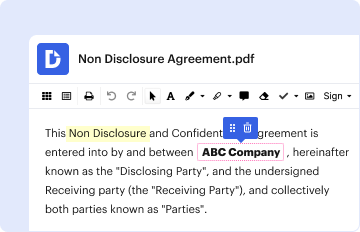
To use forms online effectively, you need to follow certain steps that streamline the process. First, identify the specific form you need based on your requirements. For example, if you are a freelancer needing to report miscellaneous income, the 1099 form might be necessary. Once the form is selected, download it from an official or authorized website, like the IRS for federal tax forms. Utilize platforms like DocHub to fill, edit, and sign the form digitally. Save the completed form securely and submit it through the appropriate online submission portal or attach it to an email if required.
Step-by-Step Process
- Identify the Form: Determine the purpose of the form and ensure it's the correct version you need.
- Download the Form: Access the form through reliable sources.
- Fill the Form Online: Use secured editing platforms like DocHub for filling the form.
- Review Details: Double-check all entries for accuracy.
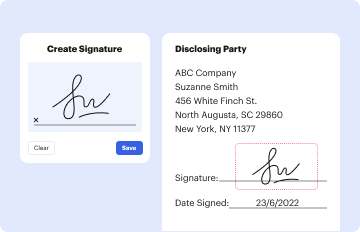
- Sign Electronically: Apply a legal e-signature where required.
- Submit as Instructed: Send through the appropriate channel, ensuring compliance with submission guidelines.
Steps to Complete the Form Online
Completing an online form involves several detailed steps that begin with understanding the fields required. After opening the form in an online editor like DocHub, you can start filling out each section by following the guidelines specific to that form type. Pay close attention to mandatory fields and format requirements to avoid delays or rejections. Attach any required documents that may support your entries and provide clarity.
Important Tips
- Use Updated Versions: Always use the most current form version to avoid any compliance issues.
- Avoid Common Mistakes: Ensure names, dates, and identification numbers are entered accurately.
- Add Correct Attachments: Include necessary documents like W-2s or pay stubs if applicable.
Why You Should Form Online
Opting for online forms brings numerous benefits, especially in terms of efficiency, speed, and convenience. Unlike paper forms, online versions eliminate the need for physical handling, storage, and mailing. This can significantly reduce the time it takes to complete and submit forms, especially when dealing with deadlines. Additionally, digital forms reduce errors through validation checks and allow for easier data retrieval.
Benefits Over Traditional Forms
- Time Efficiency: Faster completion and submission.
- Cost-Effective: Saves costs associated with printing and postage.
- Environmental Impact: Reduces paper use.
Who Typically Uses the Form Online
Online forms cater to a wide range of users, including individuals, businesses, non-profits, and educational institutions. For individual taxpayers, forms like the 1040 or 1099 are frequently used online during tax season. Businesses might rely on forms like W-9 for vendor transactions. Students applying for financial aid may use forms such as the FAFSA online. The versatility and accessibility of online forms make them an apt choice for any group needing formal documentation processes.


Legal Use of Form Online
Forms used online must comply with specific legal standards to ensure validity. In the U.S., forms that require signatures should adhere to the ESIGN Act which ensures that electronic signatures are legally recognized. Unauthorized forms or improperly submitted online documents may result in legal liabilities or penalties. It's critical to follow guidelines issued by relevant authorities, whether dealing with tax documentation or other legal forms.
Compliance Examples
- Security Protocols: Settings like SSL encryption on platforms ensure secure data handling.
- Verification Steps: Authentication processes for confirming identity and intent.
Form Variants and Alternatives
Forms can come in various formats, updated versions, or alternatives depending on changes in regulations or user needs. For instance, the IRS often updates tax forms to reflect new tax laws. An example is the transition from an older 1099-MISC to the 1099-NEC for non-employee compensation. It's crucial to use the correct variant to remain compliant.
Related Versions
- Updated Forms: Reflecting new tax years or legal adjustments.
- Supplemental Forms: Associated documents that provide additional information.
Software Compatibility
To effectively fill and manage forms online, understanding software compatibility is essential. Platforms like DocHub integrate with popular software such as TurboTax or QuickBooks, facilitating data transfer and reducing manual entry errors. These integrations are particularly beneficial during tax season as they streamline the filing process, allowing for a seamless experience across multiple applications.
Popular Software
- TurboTax: For individual taxpayers.
- QuickBooks: For businesses managing transactions and reports.
By following these guidelines, users can ensure they are making the most of online forms while complying with legal requirements and taking full advantage of digital tools available.