






Definition and Meaning of "Form Online"
Filling out a "form online" involves completing and submitting forms over the internet, replacing traditional paper-based methods. Online forms are designed for various applications, including tax filings, job applications, and registration processes. They facilitate streamlined data entry, enabling users to input information directly into the required fields using devices like computers, tablets, or smartphones. The online process often incorporates automated features such as dropdown menus, checkboxes, or date selectors to simplify user interactions and minimize errors.
Advantages of Using Forms Online
Online forms offer numerous benefits over traditional paper forms. They provide immediate access and submission, reducing processing times and eliminating the need for physical postage. This digitized approach also increases convenience, allowing forms to be completed from any location with an internet connection. Furthermore, online forms often include validation checks to ensure accuracy, guiding users to complete all required fields correctly. These forms are typically integrated with secure encryption protocols, safeguarding sensitive personal and financial information against unauthorized access.
How to Obtain Forms Online
To obtain forms online, start by visiting the official website of the issuing entity, such as a government agency or business's portal. The website usually contains a section dedicated to forms and publications, where you can search for the specific form you need by number or name. Many sites offer downloadable forms in PDF or other universal formats that can be filled out directly on your device. Some platforms, like government tax agencies, offer online portals where you can complete and submit forms in real-time without downloading.
Steps to Complete a Form Online
- Access the Form: Visit the issuing agency's website and locate the required form.
- Review Requirements: Read all instructions carefully to understand the information and documents needed.
- Fill Out Information: Enter your data into each provided field, ensuring accuracy and completeness.
- Use Built-in Tools: Utilize dropdown menus, checkboxes, or other field types for quick and precise input.
- Review for Accuracy: Double-check all entries for correctness and ensure all mandatory fields are filled.
- Save Progress: Utilize any available options to save your progress. This feature is helpful when completing lengthy forms.
- Submit the Form: Follow submission instructions, which may include sending the form directly online or downloading and emailing it.
Key Elements of Online Forms
Online forms typically include several critical components designed to capture relevant user information effectively. Commonly required fields are:
- Personal Information: Name, address, phone number, and email.
- Identification Numbers: Social Security Number (SSN), Taxpayer Identification Number (TIN), or Employee Identification Number (EIN).
- Financial Details: Income, deductions, or other financial data.
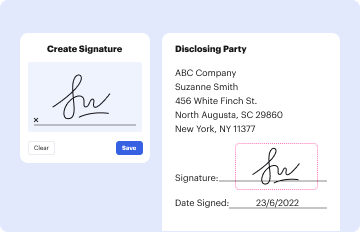
- Authorization: Signature fields for consent or certification, often using electronic signature options.
These elements ensure that all necessary data is collected, validated, and processed efficiently. Each element is strategically designed to correspond with underlying systems for analysis and response.
Legal Use of Forms Online
Forms submitted online must comply with legal standards to be considered valid. This involves adhering to data protection laws such as the General Data Protection Regulation (GDPR) or the Electronic Signatures in Global and National Commerce Act (ESIGN Act) in the United States. These regulations ensure the form's integrity, confidentiality, and authenticity. Legal use also includes obtaining consent when collecting sensitive data and providing users with assurances regarding the form's security and privacy standards.
Examples of Using Forms Online
Various sectors routinely use online forms, and here are a few examples:
- Tax Filing: Individuals and businesses submit forms for income tax reporting to the IRS or state tax agencies.
- Job Applications: Candidates complete employment application forms on company websites to apply for positions.
- Educational Enrollment: Students register for courses and programs by filling out institutional enrollment forms online.
- Healthcare Appointments: Patients fill out online forms for appointment bookings, medical history input, or consent for treatment.
These examples illustrate the wide-ranging applicability of forms in diverse areas of personal and professional life.
State-Specific Rules for Forms Online
State-specific regulations can influence how forms are processed and what information is required. Each state may have unique tax codes, healthcare regulations, or business licensing requirements that affect form content and submission protocols. For instance, certain states may mandate specific additional disclosures on tax forms or require separate filings for different types of taxes. Understanding these distinctions is essential for compliance and ensuring that forms are completed correctly according to local laws. Always check state-specific instructions and guidelines when completing online forms that fall under state jurisdiction.