Definition & Meaning
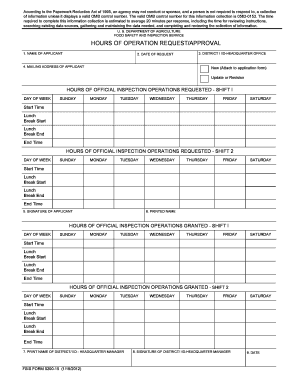
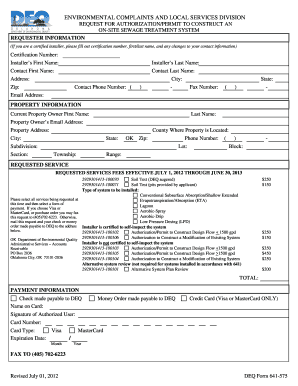
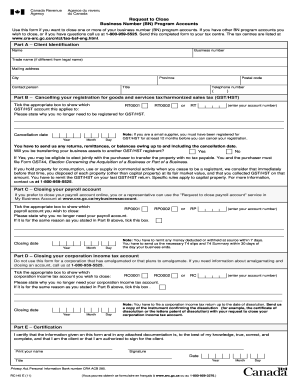
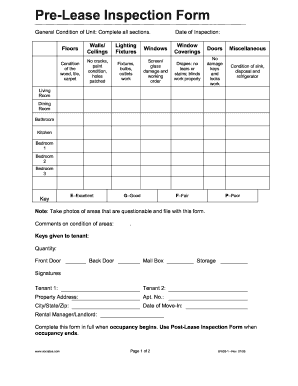
When discussing the term "form online," it generally refers to electronic documents or templates available on the internet for various purposes, from government and tax filing to business applications and data collection. These forms can be filled out, submitted, and processed without ever resorting to paper, streamlining workflows and reducing the likelihood of errors associated with manual entry.
Examples and Use Cases
- Government Documents: Forms like the IRS W-9 or state tax returns, such as the 2024 EZ Individual Resident Tax Return for the City of Toledo, are common examples of online forms used for filing taxes.
- Business Applications: Applications for business licenses, permits, and registrations are often available as online forms, making it easier for entrepreneurs to comply with regulatory requirements.
- Data Collection: Surveys, feedback forms, and registration forms used by businesses and organizations to gather information efficiently.
How to Use the Form Online
Engaging with forms online involves several essential steps aimed at ensuring accuracy and compliance. The process generally starts with accessing the form on a reputable platform, completing the necessary sections, and finally submitting the form for processing.
- Accessing the Form: Begin by visiting the official website offering the form, such as government sites or trusted providers like DocHub.
- Filling Out the Form: Input the required information accurately. Use form editors that allow for text entry, signature addition, and file attachment.
- Reviewing the Form: Double-check the information for accuracy to avoid errors that might lead to processing delays.
- Submitting the Form: Depending on the form type, submission can be done directly online or by downloading and mailing the completed form.
Step-by-Step Example
For instance, when filing the 2024 EZ Individual Resident Tax Return online, ensure you have your personal information, income details, and calculations ready. Once you access the form, follow on-screen instructions for each section, and verify all data before submission.
Steps to Complete the Form Online
Completing forms online can vary based on the form's complexity, but generally includes the following steps:
- Preparation: Gather all necessary documents and information beforehand. For tax forms, this might include W-2 forms, prior year returns, or income statements.
- Access the Document: Use a credible platform or governmental site to find and open the form.
- Input Information: Carefully fill out each section of the form. Platforms like DocHub offer features to add text, check marks, and signatures digitally.
- Review and Edit: Make sure that all information is correct and complete. Use the tools provided to make any necessary annotations or edits.
- Submission: Submit the completed form online or download it as a PDF for physical mailing, if required.
Practical Scenario
To illustrate, consider applying for a business license online. Collect all necessary business details, access the form on your state's business site, fill out the sections regarding business type and owner information, review for accuracy, and submit the application digitally.
Key Elements of the Form Online
Online forms consist of several components critical to their integrity and functionality:
- Form Fields: Includes text areas, drop-down menus, check boxes, and signature fields, each designed for specific types of input.
- Validation Features: Many forms incorporate automatic checks to ensure data is correctly entered, such as format verifications for dates or social security numbers.
- Security Measures: Secure Sockets Layer (SSL) encryption and password protection mechanisms are often used to protect user data.
Detailed Breakdown
- Form Fields Manager: Interfaces like DocHub facilitate the addition of interactive elements, allowing users to craft customizable forms tailored to specific needs.
- Security Protocols: Ensure that all personal information is encrypted and secure, bolstering user confidence in online submissions.
Legal Use of the Form Online
Electronic forms are recognized in legal contexts, especially when they adhere to regulations such as the ESIGN Act, which gives e-signatures the same legal standing as handwritten ones. This legal foundation supports various applications, from business contracts to tax documents.
Compliance and Guidelines
- ESIGN Act: Establishes the legality of electronic signatures in the United States, enhancing the reliability of forms online.
- State Laws: Some states may have additional regulations governing online form use, making it crucial for users to be aware of both federal and state requirements.
Required Documents
When completing forms online, certain documentation may be necessary to verify identity and other claims. For example:
- Tax Forms: May require prior year filings, W-2s, and proof of payments.
- Business Applications: Could need business registration certificates, proof of ownership, or articles of incorporation.
Situational Needs
Different document types might be needed for different forms. For instance, when applying for a business credit line online, banks typically require financial statements, business plans, and proof of income.
Filing Deadlines / Important Dates
Understanding critical deadlines is vital for compliance and avoiding penalties. Various forms come with specific submission timelines:
- Tax Forms: Federal and state income tax returns usually have an April 15 deadline, though extensions may be available.
- Business Submissions: Licenses or renewals may have annual deadlines specified by local jurisdictions.
Strategies for Staying Compliant
- Create a Schedule: Use calendar tools to set reminders well in advance of due dates.
- Consult Official Sources: Regularly check government websites for official updates on deadlines and extensions.
Software Compatibility
The compatibility of online forms with software and digital platforms greatly influences user experience. Many forms are now designed to integrate seamlessly with common software suites.
- DocHub Compatibility: Allows for integration with platforms like Google Workspace, Debian systems, and Microsoft Office.
- Tax Software: Forms often align with tax preparation software tools such as TurboTax and QuickBooks for straightforward data entry and submission.
Practical Integration Tips
- Document Editing: Use software that supports direct editing capabilities, much like how DocHub integrates with Google Drive, to streamline form submission and review processes.
- Automation Features: Look for platforms that automate repetitive tasks, reducing the time and effort required to complete complex forms.