





Definition & Meaning
Filling out forms online is a method that allows individuals and businesses to complete necessary documentation electronically via digital platforms. These forms can range from legal and tax documents to employment applications and registration forms. The online process is designed to streamline submissions, reduce paperwork, and facilitate faster data processing. By using web-based forms, users can enter information, make edits, and submit forms from anywhere with an internet connection. This flexibility not only enhances convenience but also ensures that documentation is more accessible and easier to manage.
How to Use the Form Online
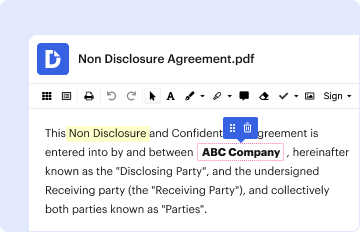
Using an online form involves several straightforward steps. First, access the platform that hosts the form, ensuring you have a stable internet connection. Generally, this requires logging into an account, particularly if sensitive information is involved. Once logged in, navigate to the specific form you need to complete. The interface will guide you through each section, where you will input the requested details. It's crucial to follow any provided instructions carefully, as they may highlight mandatory fields or unique requirements. After providing all necessary information, you can review the form for accuracy before submitting it electronically. Most platforms offer confirmation of receipt, which may include an email or on-screen notification.
Steps to Complete the Form Online
-
Access the Form: Visit the appropriate website or portal and locate the form you need to complete. This may involve navigating through menus or using a search function.
-
Log In or Register: For secure access, you might need to log into an existing account or create a new one. This step is vital for saving progress and ensuring data security.
-
Fill Out the Form: Carefully input all required information. Tools such as auto-fill can speed up this process, but always verify that the data entered is correct.
-
Review Your Entries: Before submission, check for any errors or omissions. Many online forms will highlight incomplete sections to alert you of missing information.
-
Submit the Form: Once satisfied, submit the form by clicking the designated button. You should receive a confirmation, which serves as proof of submission.
-
Save or Print a Copy: For your records, it's advisable to save or print a copy of the completed form and any confirmation received.
Why Should You Form Online
The primary advantages of filling forms online include convenience, efficiency, and security. Online forms eliminate the need for physical paperwork, reducing clutter and the potential for loss or damage. They streamline the completion process by allowing for quick edits and immediate submission. With built-in validation and error-checking, online forms help ensure accurate data entry, reducing the likelihood of rejection due to incomplete or incorrect information. Additionally, online forms can often integrate with other digital systems, facilitating smoother workflows and data management. The security measures in place, such as encryption and authentication protocols, further protect sensitive information from unauthorized access.
Important Terms Related to Form Online
- Encryption: The process of converting information into code to prevent unauthorized access.
- Authentication: The verification of someone's identity before granting access to the form.
- Auto-fill: A feature that automatically fills in form fields with previously entered data to save time.
- Mandatory Fields: Required sections of a form that must be completed before submission.
- Confirmation Page: A screen or document confirming successful submission of a form.
- Template: A pre-designed form layout that simplifies the creation and completion process.
Legal Use of the Form Online
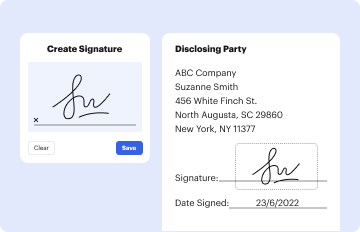
Electronic forms hold the same legal weight as their paper counterparts when properly executed. The use of digital signatures, governed by laws such as the ESIGN Act in the U.S., ensures that electronic submissions are legally binding. It's essential that users comply with all applicable regulations, verifying the legitimacy of the platform used and ensuring all signatures are authenticated correctly. Ensuring legal compliance in document submission can involve the use of additional security features like timestamps and audit trails, which document the form's history and any changes made.
Key Elements of the Form Online
When filling forms online, several key elements should be noted. These often include the form's purpose, which sets the context for the information required, and the instructions, which guide proper completion. Look for sections denoting mandatory fields, as overlooked required elements can delay processing. Additional tools, such as help options or FAQs, are often available to assist users in understanding complex parts of the form. The submission button, typically found at the end, indicates where to send the form once completed. Confirmation of submission provides proof of completion and is an essential part of the process.
Software Compatibility
Integrating online forms with software applications such as TurboTax or QuickBooks can enhance efficiency. These integrations allow users to import necessary data directly from their accounting systems, reducing manual entry and potential errors. Many platforms support exporting completed forms into formats compatible with these applications, facilitating long-term record keeping. By leveraging compatible software, users can ensure data accuracy, maintain financial records, and streamline document workflows. Understanding the specific compatibility features of each application can maximize the benefit of using forms online.