




01. Edit your form online
Type text, add images, blackout confidential details, add comments, highlights and more.

Type text, add images, blackout confidential details, add comments, highlights and more.

Draw your signature, type it, upload its image, or use your mobile device as a signature pad.

Send it via email, link, or fax. You can also download it, export it or print it out.
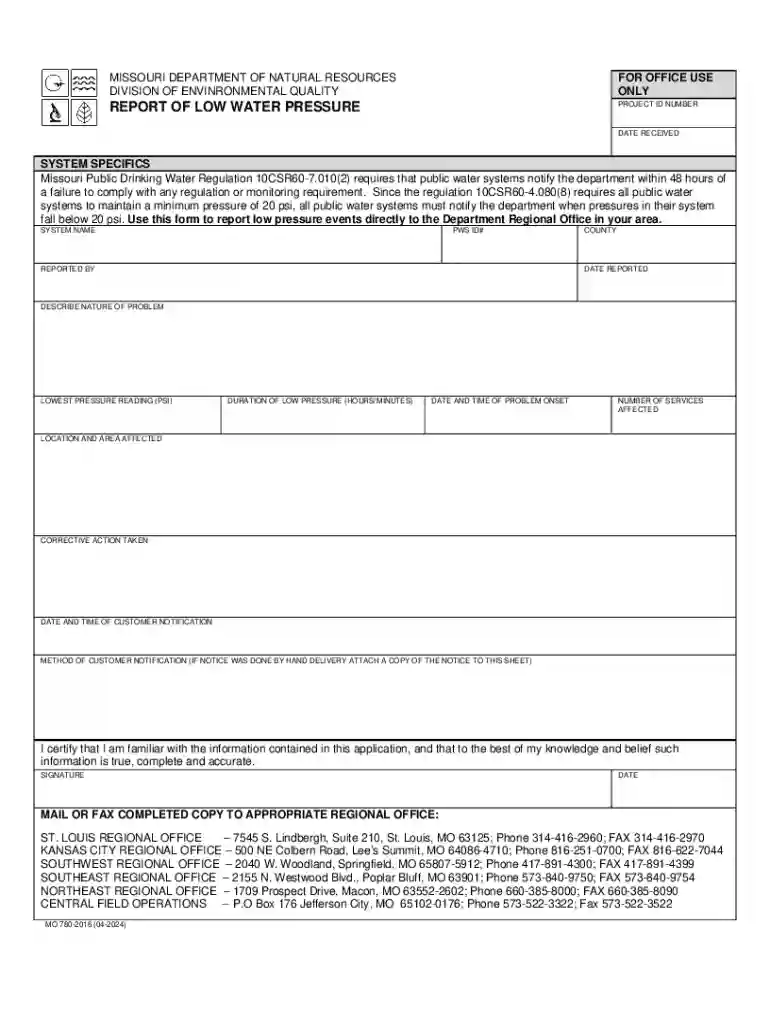
The "Water Testing - Linn County Health Department" form is a comprehensive instrument geared toward the evaluation and regulation of water quality within Linn County. This form is utilized to monitor, report, and ensure the safety of public water systems, safeguarding public health by identifying any contaminants or irregularities in water supply. It serves as a critical touchpoint between local government entities and public water systems, encapsulating essential data concerning water composition, potential pollutants, and compliance with environmental standards.
The form addresses both routine water inspection protocols and emergency response actions, bolstering public health initiatives by maintaining high standards for water quality.
Completing the "Water Testing - Linn County Health Department" form requires methodical attention to detail. Below is a step-by-step guide to help you navigate the process efficiently.
Collect Water Samples: Obtain water samples following specific guidelines from various designated points within the water supply system.
Document Water Source Details: Record the exact location, type of water source, date, and time of sample collection.
Conduct Testing: Test the water for contaminants such as bacteria, nitrates, and other regulated substances using approved laboratory methods.
Record Results: Document the findings on the form, noting any deviations from standard limits or regulatory thresholds.
Include Corrective Actions: If contaminants are found, describe the corrective measures taken to address the issues.
Submit the Form: Deliver the completed form to the Linn County Health Department within the specified deadline.
There are several avenues available to obtain the "Water Testing - Linn County Health Department" form:
Online Access: Visit the official Linn County Health Department website, where forms can be downloaded directly.
In-Person Pickup: You can collect physical copies of the form at the Health Department office during business hours.
Request via Mail: For individuals unable to access digital or in-person options, a request can be submitted by phone or email to have the form mailed to you.
This form encompasses several critical sections that play a pivotal role in its completion:
System Identification: Information about the water system, including facility name and identifier.
Testing Parameters: Types of contaminants tested, including total coliforms, chlorine levels, and heavy metals.
Sample Collection Details: Precise information on when and where samples were collected.
Testing Results: Numerical data pertaining to test findings and comparisons to regulatory benchmarks.
Corrective Action Plan: Steps taken or proposed to mitigate any issues identified during testing.
The rationale for conducting water testing underlies the vital importance of maintaining public health and safety. Ensuring that water quality meets local, state, and federal regulations helps prevent waterborne diseases and protects the environment.
Public Health Protection: Minimizes health risks from contaminated drinking water.
Regulatory Compliance: Ensures adherence to the Safe Drinking Water Act and other relevant legislation.
Environmental Stewardship: Contributes to sustainable water resource management.
The primary users of the "Water Testing - Linn County Health Department" form include:
Public Water System Operators: Responsible for routine water quality testing.
Environmental Health Professionals: Analysts and inspectors who assess and validate water safety.
Regulatory Agencies: State and local entities overseeing public health and environmental compliance.
The form is crucial for stakeholders involved in water management and public health policy execution.


Water testing practices and regulations can vary significantly across different states. Specific to Linn County:
Compliance with Iowa DNR Regulations: Water testing must align with guidelines set forth by the Iowa Department of Natural Resources.
Local Ordinance Requirements: Additional county ordinances may impose specific testing frequency or parameter thresholds.
Submitting the "Water Testing - Linn County Health Department" form can be accomplished through multiple channels:
Online Submission: Utilize the health department's secure online portal to upload electronic copies of the completed form.
Mail Submission: Send physical copies to the health department’s specified address for documentation.
In-Person Delivery: Hand deliver forms for immediate receipt confirmation at the department’s office.
Aligning form submission methods with user needs can facilitate compliance and streamline processing time.
We've got more versions of the Water Testing - Linn County Health Department form. Select the right Water Testing - Linn County Health Department version from the list and start editing it straight away!
At DocHub, your data security is our priority. We follow HIPAA, SOC2, GDPR, and other standards, so you can work on your documents with confidence.




Stop by Linn County Public Health (1020 6th Street SE, Cedar Rapids, Iowa 52401) to pick up sample collection containers and request form. Pick an appropriateRead more
Your County Environmental Health office provides free or low cost well water testing kits for private well owners. Linn County Public Health.Read more


