




01. Edit your form online
Type text, add images, blackout confidential details, add comments, highlights and more.

Type text, add images, blackout confidential details, add comments, highlights and more.

Draw your signature, type it, upload its image, or use your mobile device as a signature pad.

Send it via email, link, or fax. You can also download it, export it or print it out.
Form 942, also known as the Employer's Quarterly Tax Return for Household Employees, is a pivotal form for household employers in the United States. It serves to ensure compliance with the Internal Revenue Service (IRS) regulations concerning social security and Medicare taxes and income tax withholding. Household employers use this form to report their tax obligations, making it essential for maintaining transparency and accuracy in financial and tax reporting.
Downloading Form 942 from the IRS website is the most straightforward method for obtaining this form. Navigating to the official IRS site gives users access to the latest version of Form 942 and its accompanying instructions. Additionally, household employers can secure the form from local IRS offices or through various tax software providers that offer compliant forms ready for completion.
The core utility of Form 942 lies in its facilitation of reporting social security, Medicare, and federal income taxes for employees working within a household. Employers must accurately calculate the wages paid to these employees and determine applicable taxes. This form ensures that all necessary withholdings are reported quarterly to the IRS, streamlining the process of tax compliance for household employers.
Gather Necessary Documentation: Begin with the collection of all relevant wage and tax documentation for household employees. This includes W-2 forms, payroll records, and previous 941 or 943 forms if applicable.
Enter Employer Information: Fill in the primary employer details, including name, address, and employer identification number (EIN).
Calculate Tax Obligations: Use the form to calculate social security, Medicare, and any withheld federal income taxes based on employee earnings during the quarter.
Record Wages and Tips: Accurately document the total wages and tips paid to each household employee.
Submit the Form: After careful review, submit Form 942 to the IRS, either by mail or electronically through IRS e-file solutions. Retain a copy for your records.
Form 942 is typically used by household employers who pay an individual, such as a nanny or a residential caretaker, $2,300 or more per year (as of 2023). These employers are responsible for withholding and reporting specific taxes, and Form 942 helps ensure that these obligations are met efficiently and accurately.
Form 942 must be used in compliance with IRS guidelines to avoid potential financial penalties or legal issues. Household employers are legally obligated to report all employment taxes for their household employees accurately. Non-compliance can lead to penalties, interest on unpaid taxes, and potential legal scrutiny, making adherence to form instructions and deadlines crucial.
The IRS provides detailed instructions for completing and submitting Form 942. Employers must regularly review IRS guidelines to stay informed about any changes in tax rates or reporting requirements. These guidelines emphasize accurate wage recording, correct tax calculation, and timely submission to avoid penalties. It is recommended to consult with a tax professional if any uncertainties arise during the form completion process.
Employers must submit Form 942 by the last day of the month following the end of the quarter. For example, for a quarter ending on March 31, the submission deadline would be April 30. Missing these deadlines can result in penalties or interest charges, emphasizing the importance of timely filing. Employers should mark these dates clearly in their annual calendar to maintain compliance and avoid any oversight.
At DocHub, your data security is our priority. We follow HIPAA, SOC2, GDPR, and other standards, so you can work on your documents with confidence.
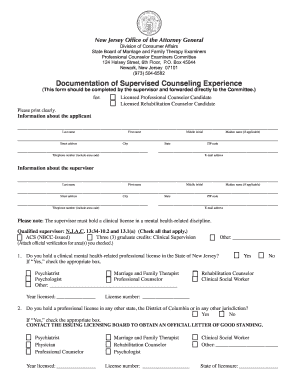
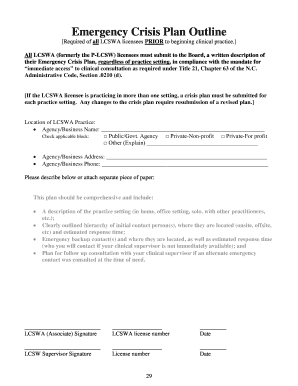
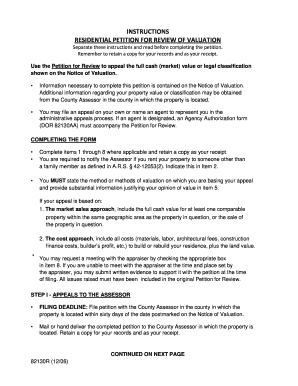

Employers Quarterly Tax Return for Household Employees (For Social Security and Withheld Income Taxes) Statement of Corrected Income and Tax Amounts, correct
(3) Reporting of wages. Forms 941, 942, and 943 each require, as a part of the return, that the wages of each employee paid during the period covered byRead more


