Definition and Meaning
The Assisted Living Residency Agreement is a formal contract between a resident and a community-operated facility providing elderly care. It serves as a comprehensive guide detailing the terms and conditions of residency, including rights and responsibilities. The agreement emphasizes non-discrimination, safety requirements, and the provision of personal care services. It also clarifies that residents do not gain ownership of their units, outlining the living accommodations, service fees, core services, and termination procedures.
Key Elements of the Assisted Living Residency Agreement
Fundamental components of this agreement include:
- Residency Qualifications: Defines eligibility criteria for potential residents, such as age, health status, and financial requirements.
- Service Fees and Billing: Details the service charges, payment schedules, and the impact of late payments or fee adjustments.
- Core and Optional Services: Outlines services provided as part of the residency, including personal care, meals, and housekeeping, plus any optional services offered at an additional cost.
- Termination Procedures: Specifies conditions under which the residency agreement can be terminated by either party, including notice periods and financial implications.
- Maintenance and Upkeep: Describes the responsibilities of the facility and resident regarding the maintenance and cleanliness of living accommodations.
Steps to Complete the Assisted Living Residency Agreement
- Gather Required Documents: Collect necessary identification and financial documents, such as social security card, bank statements, and insurance details.
- Review the Agreement: Carefully read all sections of the agreement, focusing on fees, services, and resident responsibilities.
- Consult with Advisors: Consider discussing the agreement with a legal or financial advisor for clarity on complex terms.
- Complete All Required Sections: Fill out personal information, confirm service selections, and provide financial details.
- Negotiate Terms if Needed: Engage with facility administrators to address any concerns or required adjustments to terms.
- Sign and Submit: Ensure all parties sign the agreement, then submit it to the appropriate facility representative.
Legal Use of the Assisted Living Residency Agreement
This agreement is legally binding and follows federal and state laws regulating elder care facilities. It ensures compliance with the ESIGN Act for electronic signatures, making digital completion and submission a valid option. Legal oversight may include:
- Resident Rights: Upholds resident rights to safe and dignified living conditions.
- Non-Discrimination Policies: Guarantees that decisions are made without bias based on race, gender, religion, or disability.
- Consumer Protection: Provides mechanisms for dispute resolution and adherence to fair practices.
Important Terms Related to the Assisted Living Residency Agreement
Understanding key terms is crucial for interpretation:
- Assisted Living Facility: A residential option for seniors who require assistance with daily activities.
- Personal Care Services: Assistance with activities such as bathing, dressing, and medication management.
- Rights and Responsibilities: Defined legal entitlements and obligations of both the resident and the facility.
- Termination Clause: Details conditions permitting either party to end the residency agreement.
State-Specific Rules for the Assisted Living Residency Agreement
While the fundamentals of the agreement are consistent, specific provisions may vary by state:
- Licensing Requirements: State-specific licensing standards for facilities providing assisted living services.
- Resident Protection Laws: Different states may have unique regulations for resident rights and protection.
- Variation in Services: The scope of services offered and regulated can differ depending on state laws.
Examples of Using the Assisted Living Residency Agreement
Practical applications of the agreement might include:
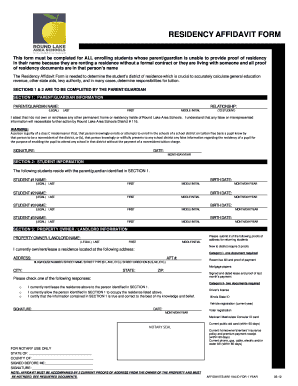
- An elderly individual identifying their need for assisted living and selecting a facility aligning with their health needs and financial situation.
- A family consulting the agreement to confirm the array of services provided and associated fees.
- A facility using the agreement as a tool to standardize resident interactions, services, and billing practices across multiple states.
Digital vs. Paper Version
Residents and facilities may choose between:
- Digital Version: Offers convenience with easy editing, electronic signing, and faster processing times, particularly suited to tech-savvy users or geographically dispersed stakeholders.
- Paper Version: Provides tangible documentation, which some residents may prefer for its familiarity and ease of review without digital interfaces.
This structured content provides a detailed overview for anyone navigating the Assisted Living Residency Agreement, ensuring clarity and full understanding of its implications and uses.