




01. Edit your vtr 130u online
Type text, add images, blackout confidential details, add comments, highlights and more.

Type text, add images, blackout confidential details, add comments, highlights and more.

Draw your signature, type it, upload its image, or use your mobile device as a signature pad.

Send it via email, link, or fax. You can also download it, export it or print it out.
A bonded title application is a crucial document for individuals who need to establish ownership of a vehicle when the original title is missing or unavailable. This process is essential for scenarios where proof of ownership is disputed or unclear, allowing the applicant to obtain a title with a surety bond. This bond acts as a financial guarantee protecting previous owners and lienholders from potential claims. Understanding the significance of a bonded title is important as it legitimizes vehicle ownership, ensuring that you can legally sell or register the vehicle.
In certain circumstances, a tax collector hearing may be necessary as part of the bonded title application process. This hearing provides a platform for resolving disputes related to vehicle ownership or tax obligations. During the hearing, applicants may be required to present evidence supporting their claim for a bonded title. This step is critical when ownership is contested or when necessary documentation cannot be obtained through standard processes.
Gather Required Documentation: Collect all relevant information including proof of purchase, a completed vehicle identification number (VIN) inspection, and any prior title documents if available.
Secure a Surety Bond: Obtain a surety bond from a licensed surety company. The bond amount typically equals one and a half times the appraised value of the vehicle.
Complete the Application Form: Accurately fill out the bonded title application form, ensuring all personal and vehicle information is correct.
Submit to the Appropriate Authority: Submit the completed form, accompanied by the surety bond and any additional required documents, to the designated state's Department of Motor Vehicles (DMV) or equivalent authority.
Attend the Tax Collector Hearing: If required, attend the hearing to provide testimony and any further evidence supporting your application.
Await Approval: After submission, the application will be reviewed, and if approved, a bonded title will be issued.
Eligibility for a bonded title generally requires the claimant to demonstrate a good faith effort to locate the original title or previous owner. This often includes:


State criteria can vary significantly, so it is essential to consult local guidelines from the DMV or equivalent authority. Some states might require additional steps such as emissions testing or specialized inspections.
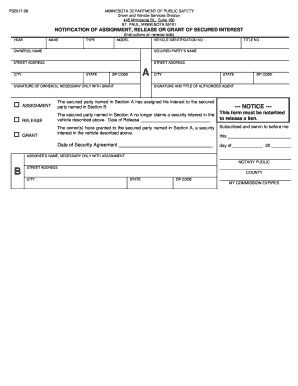
The range of documents required may include but is not limited to:
A bonded title serves as a legal instrument affirming vehicle ownership when direct proof is not available. It is essential for:
It's important to be prepared for potential disputes by keeping detailed records. Should any challenges arise, maintaining a thorough backup of all communications and documents related to the bonded title can serve as essential evidence in resolving disputes. Consulting with a legal expert specializing in property or vehicle disputes could offer additional protection.
Historically, bonded title applications have been processed through physical submission at a DMV office or mail. However, many states now offer online submission options:
Online: Utilize digital portals for electronic submissions, reducing processing time and improving convenience.
Mail: Traditional submission by post should include all physical documentation securely packaged.
In-Person: Direct submission at a DMV office allows for immediate verification of document completeness, though it may require appointment scheduling.
Online submission offers several benefits, including reduced processing times and an easier method for tracking the application's progress. However, in-person submissions may provide instantaneous feedback and support if issues arise during the submission.
Failure to adhere to bonded title requirements can lead to significant penalties, including:
Being proactive and ensuring every requirement is met before submission can mitigate the risk of penalties. Regularly consulting DMV updates or changes in policy is also advisable to stay compliant.
We've got more versions of the vtr 130u form. Select the right vtr 130u version from the list and start editing it straight away!
At DocHub, your data security is our priority. We follow HIPAA, SOC2, GDPR, and other standards, so you can work on your documents with confidence.



Jun 7, 2024 A bond validation hearing was held on October 6, 2022. all affected property owners have a right to appear at the hearing
Both pages of this form, Bonded Title Application or Tax Collector Hearing Statement of Fact (VTR-130-SOF). 2. $15.00 processing fee.


