Ohio Law: 10 12 2005 - Supreme Court of Ohio Case Announcements - sconet state oh-2026

Get Form
Ohio Law: 10 12 2005 - Supreme Court of Ohio Case Announcements - sconet state oh Preview on Page 1

Here's how it works

01. Edit your form online
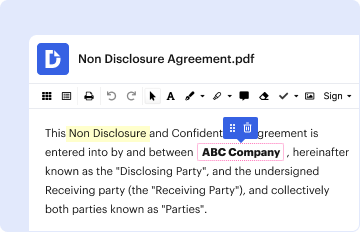
Type text, add images, blackout confidential details, add comments, highlights and more.
02. Sign it in a few clicks
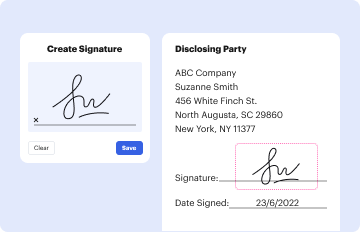
Draw your signature, type it, upload its image, or use your mobile device as a signature pad.
03. Share your form with others
Send it via email, link, or fax. You can also download it, export it or print it out.

How to use or fill out Ohio Law: 10 12 2005 - Supreme Court of Ohio Case Announcements

Form edit decoration
9.5
Ease of Setup
DocHub User Ratings on G2
9.0
Ease of Use
DocHub User Ratings on G2
  1. Click ‘Get Form’ to open it in the editor.
  2. Review the case citation at the top, which includes essential details such as the case name and citation number. Ensure you understand the context of the case.
  3. Navigate through each section of the document, paying close attention to the misconduct counts listed. Highlight any specific allegations that may require your input or further research.
  4. If you need to annotate or comment on specific sections, use our platform's text box feature to add notes directly next to relevant paragraphs for clarity.
  5. For any signatures required, utilize our editor’s signature tool to sign electronically, ensuring compliance with legal standards.
  6. Once completed, save your changes and download the document for your records or share it directly via email using our sharing options.

Start using our platform today for free and streamline your document editing process!

be ready to get more

Complete this form in 5 minutes or less

Get form

Got questions?

We have answers to the most popular questions from our customers. If you can't find an answer to your question, please contact us.
Contact us
MAPP V. OHIO. MAPP V. OHIO, decided on 20 June 1961, was a landmark court case originating in Cleveland, in which the U.S. Supreme Court ruled that under the 4th and 14th Constitutional amendments, illegally seized evidence could not be used in a state criminal trial.
By a vote of 5 4, the U.S. Supreme Court on March 1, 2005 declared the execution of juvenile offenders to be unconstitutional. This historic ruling held that the practice violates the Eighth Amendments ban on cruel and unusual punishments.
The Court must accept appeals of cases that originated in the courts of appeals; cases involving the death penalty; cases involving questions arising under the U.S. Constitution or the Ohio Constitution; and cases in which there have been conflicting opinions from two or more courts of appeals.