







Definition & Meaning
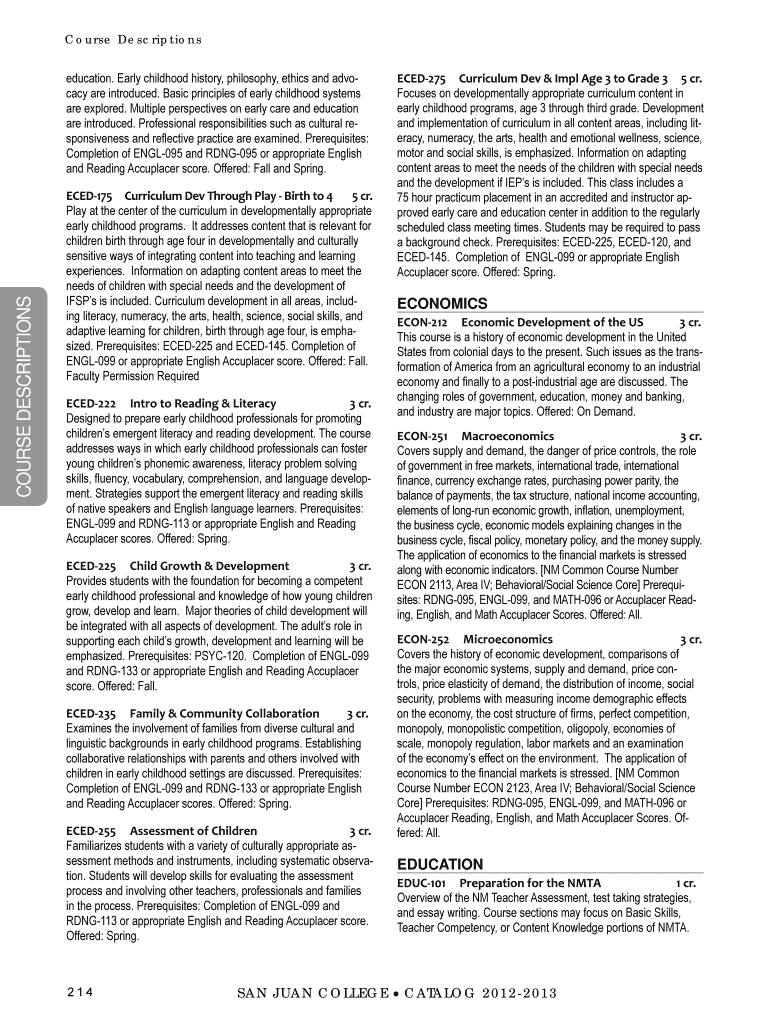
The phrase "Early childhood history, philosophy, ethics and advocacy are introduced - sanjuancollege" encompasses a foundational educational course framework commonly offered at institutions like San Juan College. This course typically explores the historical contexts and philosophical theories underpinning early childhood education. It emphasizes ethical considerations in the field and the importance of advocacy for young children and their families. This sets a comprehensive stage for future educators in understanding the critical elements that affect early education settings.
Key Concepts
- Historical Contexts: Understanding how early childhood education has evolved over time, including significant milestones and influential figures in the field.
- Philosophical Theories: Examining various educational philosophies that inform current practices, such as Montessori, Reggio Emilia, and Waldorf.
- Ethical Considerations: Discussing the ethical responsibilities educators have towards their students, families, and society at large.
- Advocacy: Learning to support and promote policies and practices that benefit children’s learning environments and address their needs.
How to Use the Early Childhood History Course
Using the "Early childhood history, philosophy, ethics and advocacy are introduced - sanjuancollege" involves engaging with course materials, participating in discussions, and applying concepts to practical scenarios. Here's a general approach:
- Engage with Readings and Lectures: Actively participate in classes or online modules by taking notes and asking questions.
- Participate in Discussions: Collaborate with peers and instructors to deepen understanding and gain diverse perspectives.
- Apply Learning Practically: Use case studies or internships to apply theoretical knowledge in real-world educational settings.
- Reflect on Ethical Scenarios: Analyze various scenarios to understand the impact of ethical decisions in early childhood settings.
Steps to Complete the Course
Completing this course requires a strategic approach to ensure comprehensive understanding and fulfillment of requirements:
- Review Course Syllabus: Understand all topics, assignments, and evaluation criteria from the start.
- Set a Study Schedule: Allocate regular study periods to cover readings and prepare for assessments.
- Complete Assignments: Ensure all assignments are submitted by deadlines, adhering to provided guidelines.
- Prepare for Assessments: Use practice quizzes and study groups to prepare for exams or major projects.
- Seek Feedback: Regularly consult with instructors to evaluate your progress and clarify doubts.
Why You Should Enroll in the Course
Enrolling in this course benefits both aspiring and current educators by offering a strong foundational base in early childhood principles. The curriculum enhances one's ability to critically analyze and influence educational environments. Benefits include:
- Career Advancement: Gain skills and knowledge essential for professional development in early childhood education.
- Comprehensive Understanding: Develop a well-rounded knowledge base that covers historical, philosophical, ethical, and advocacy perspectives.
- Practical Skills: Acquire practical strategies for classroom management and effective teaching methodologies.
Key Elements of the Course
Understanding the crucial components of this course can ensure a well-rounded educational experience:
- Curriculum Design: Exploration of effective curricula that cater to diverse learning needs in early childhood settings.
- Family Collaboration: Techniques for engaging families in their children’s education and fostering a supportive learning environment.
- Assessment Methods: Insight into various methods for assessing child growth and development accurately.
Examples of Course Applications
The concepts learned in this course have practical applications across educational settings. Examples include:
- Implementing Philosophies: Integrating Montessori or Reggio Emilia principles into lesson planning and classroom activities.
- Ethical Decision Making: Resolving conflicts or challenges in the classroom through informed ethical strategies.
- Advocacy Leadership: Leading initiatives that advocate for policy changes to benefit early education environments.
Legal and Ethical Use Cases
Understanding the legal and ethical context is essential for compliance and maintaining professional integrity:
- Ethical Dilemmas: Approaching issues like inclusivity and diversity with sensitivity to create equitable learning experiences.
- Legal Frameworks: Awareness of regulations such as child protection laws and how they impact educational practices.
Eligibility Criteria and Approval Process
Meeting eligibility criteria can ensure successful enrollment and participation:
- Prerequisites: Often includes previous coursework in education or related fields.
- Application Process: Typically involves submitting an application, transcripts, and possibly meeting with an academic advisor to confirm eligibility.


Approval Time
Enrollment approvals often depend on institutional policies but generally follow an academic calendar, with decisions made before each semester/quarter begins.




