





Definition & Meaning
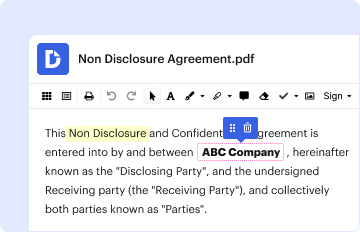
Understanding the term "form online" involves recognizing it as a digital alternative to traditional paper forms. These forms are designed to be filled out and submitted via the internet, simplifying processes such as applications, registrations, and surveys. A form online typically requires users to enter various types of information into fields such as text boxes, dropdown lists, or checkboxes, and often includes sections for collecting digital signatures.
Key Characteristics
- Digital Format: Designed to be completed and submitted using a web browser.
- Interactive Fields: Incorporates fillable fields including text boxes and checkboxes for user input.
- Submission Capability: Allows for direct submission via the internet.
How to Use the Form Online
Using a form online involves a few straightforward steps. To facilitate this, it's crucial to understand the interface and the tools available for interaction.
Step-by-Step Instructions
- Access the Form: Navigate to the website or portal hosting the form.
- Enter Information: Use the fillable fields to type in or select the required information.
- Review Entries: Before submission, ensure all entries are correct and complete.
- Submit Form: Once satisfied with the entered data, click the submit button to send the form.
How to Obtain the Form Online
Obtaining a form online typically requires visiting a specific website where the form is hosted.
Methods to Access
- Website Search: Use search engines to find the specific form needed.
- Direct Link: Visit the known URL where the form is hosted.
- Downloads: Some forms might be available for download, allowing offline completion before online submission.
Steps to Complete the Form Online
Completing a form online requires keen attention to detail to ensure all information is correctly entered.
Detailed Process
- Log in, if Necessary: Some platforms require user authentication before accessing forms.
- Fill Out Required Fields: Input necessary information in all marked required fields.
- Attach Documentation: Upload additional documents if the form requests them.
- Preview the Form: Use the preview function to view the entire form and check for errors.
- Submit: Use the designated button to finalize submission.
Why Should You Form Online
Opting for an online form instead of a traditional paper form offers numerous advantages.
Advantages
- Convenience: Forms can be completed from anywhere with internet access.
- Efficiency: Reduces the time spent on form handling and processing.
- Environmentally Friendly: Saves paper and reduces carbon footprint.
Who Typically Uses the Form Online
Various individuals and organizations benefit from using forms online. These forms cater to different needs based on user profiles.


Common Users
- Individuals: For tasks such as job applications and service sign-ups.
- Businesses: For customer feedback surveys and internal reporting.
- Government Agencies: For collecting citizen information and service applications.

Important Terms Related to Form Online
Familiarity with specific terminology is essential when dealing with forms online.
Key Terms
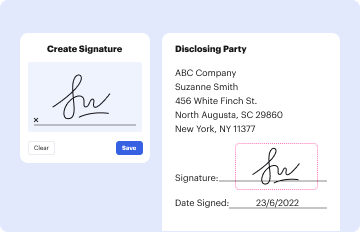
- Digital Signature: A digital equivalent of a handwritten signature ensuring authenticity.
- Encryption: A security feature that protects data by transforming it into encoded text.
- Fillable Fields: Areas on a form where users can enter information.
Legal Use of the Form Online
Legal compliance is crucial when using forms online, especially for personal and sensitive data.
Legal Considerations
- Security Measures: Ensure forms adhere to legal requirements concerning data protection and privacy.
- Authentication: Verify user identities to prevent unauthorized access.
- Consent: Obtain explicit agreement from users before capturing their digital signatures.