





Definition & Meaning
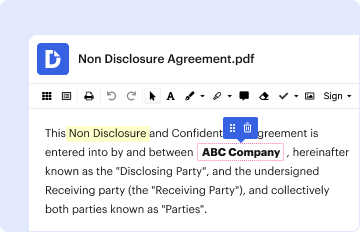
The concept of a "form online" refers to digital documents that are made available on the internet for various administrative, legal, or official purposes. These forms are designed to replace or supplement traditional paper forms, offering the convenience of filling them out electronically. The types of forms available online can range from tax documents to business applications, all structured to meet specific needs and regulations.
Types of Forms Available
- Tax Forms: Used for submitting tax information to the IRS or state tax authorities.
- Business Applications: Including permits, licenses, and registration forms for businesses.
- Legal Documents: Contracts, affidavits, and other legally binding agreements.
- Educational and Government Forms: Applications for schools or government services, such as student loan applications.
Benefits of Online Forms
- Convenience: Allows users to complete forms at their leisure from any internet-enabled device.
- Time-Saving: Reduces the need for printing and mailing paper forms.
- Accuracy: Automated checks and mandatory fields help minimize errors.
How to Use the Form Online
Using a form online involves accessing, completing, and submitting the digital document through a web-based platform. The process typically starts with accessing the form through a website, where the user can fill in the required information.
Steps to Access and Fill the Form
- Locate the Form: Identify the form needed through the relevant website, such as a government portal or a business's website.
- Open the Form: Click on the link or button provided to open the digital version of the form.
- Fill in Details: Enter all required information into the designated fields; some platforms automatically save progress.
- Review and Submit: Double-check the entered information for accuracy and completeness. Submit the form upon completion.
Tools and Features
- Auto-fill Options: Some forms allow for data to be auto-filled using previous entries or stored information.
- Validation Checks: Ensures required fields are completed and data entered meets format requirements.
How to Obtain the Form Online
Obtaining a form online involves a straightforward process of accessing the form from a reputable source, downloading, and sometimes registering with the relevant site.
Sources for Online Forms
- Government Websites: Often host downloadable forms for various civic and personal needs.
- Official Business Sites: Provide industry-specific forms for transactions or services.
- Dedicated Document Management Platforms: Such as DocHub, which allows users to edit, sign, and distribute forms electronically.
Steps to Download
- Visit the Relevant Website: E.g., IRS for tax forms or a state government's portal for local applications.
- Search for the Form: Utilize search functionality to find the needed document.
- Download or Access Online: Choose to download a PDF version or fill it directly online.
Steps to Complete the Form Online
Filling out an online form involves carefully entering data into structured fields, ensuring all requirements are met for processing.
- Understand Requirements: Before starting, review any instructions provided for the form to ensure compliance.
- Enter Information: Input personal or business data accurately into the form fields.
- Attach Required Documents: Some forms require additional proof or documentation, which can be uploaded.
- Review and Edit: Check for errors or missing information before submission.
Helpful Tips
- Save Progress: Use features that allow saving your work to prevent data loss.
- Seek Assistance: Reach out to customer support or consult the FAQ section if available for help.
Who Typically Uses the Form Online
Online forms cater to a wide range of users, from individual taxpayers to large corporations, enabling efficient data submission and processing.

Common Users
- Individual Taxpayers: Use online forms for filing taxes and related submissions.
- Businesses: Engage in licenses, registrations, and compliance through online forms.
- Students and Educators: Apply for scholarships and manage academic records.

Use Cases
- Annual Tax Filing: Filing federal or state taxes using forms like the W-2 or 1099 series.
- Business Registrations: Submitting LLC or corporation paperwork online.
- Legal Filings: Completing legal actions such as affidavits electronically.
Important Terms Related to Form Online
Understanding specific terminology related to online forms ensures proper usage and comprehension of requirements.
Key Terms
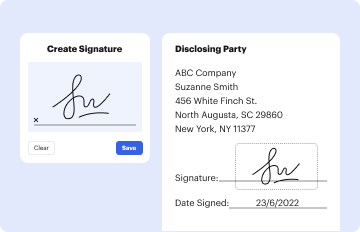
- E-signature: Digital form of signing legally binding documents online.
- Fillable Fields: Sections of a form designed for inputting data directly.
- Submission Protocol: The method by which the form is officially submitted, such as electronically or by mail.
Examples
- SSN: Social Security Number field in tax forms, typically required for identification.
- TIN: Taxpayer Identification Number, essential for business form submissions.
Legal Use of the Form Online
Online forms are often backed by legal frameworks that ensure their validity and compliance with federal and state laws.
Legal Considerations
- Compliance: Forms must meet the standards of relevant legislation, like the ESIGN Act.
- Secure Handling: Websites hosting forms should use encryption and secure authentication to protect data.
Examples of Legal Frameworks
- ESIGN Act: Governs the validity of electronic records and signatures.
- UETA: Uniform Electronic Transactions Act, supporting electronic commercial transactions.
Penalties for Non-Compliance
Failure to properly complete and submit online forms can lead to penalties, particularly in tax or legal contexts.
Potential Consequences
- Monetary Fines: Possible for late or incorrect submissions, such as tax underpayments.
- Legal Actions: May be taken for non-compliant business filings.
Avoiding Penalties
- Timely Submission: Ensure forms are submitted before stated deadlines.
- Accurate Information: Verify all entries and attachments correspond to requirements.
By comprehensively understanding the use and nuances of forms online, users can ensure their information is accurately relayed and processed, maintaining compliance and facilitating efficient transactions.