




Definition and Meaning
Form online refers to the process of creating, completing, and submitting forms using digital platforms instead of traditional paper methods. This digital approach offers efficiency, accessibility, and convenience, allowing users to fill out, edit, and manage forms across various devices. Forms can range from simple contact and registration forms to complex tax documents and legal agreements. The focus is on providing a seamless transaction from data entry to submission, compatible with a wide array of formats tailored for both individual and business needs.
How to Use the Form Online
Utilizing online forms involves several intuitive steps to ensure successful completion and submission.
-
Select the form template: Begin by choosing from a wide selection of templates that match your specific requirements. Platforms like DocHub provide categorized options, aiding in easy discovery.
-
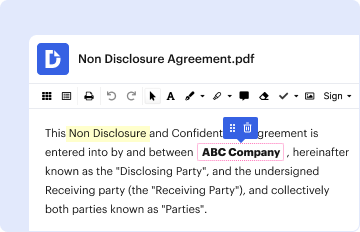
Input data: Fill in required fields using the online editor. The system allows customization by adding text boxes, checkMarks, and dropdown menus, ensuring all necessary data is gathered accurately.
-
Review and edit: Pre-submission reviews help eliminate errors. Most platforms support editing tools to correct inputs, ensuring the final draft meets all specified guidelines.
-
Submit the form: Use the digital submission feature provided by the platform. Submission processes might include options to send via email, save to a cloud service, or directly to a designated recipient's account.
How to Obtain the Form Online
Acquiring forms online is straightforward with platforms like DocHub facilitating the process:
-
Search and download: Forms can be searched directly using specific names or categories via user-friendly search engines provided on websites. Once found, they can be downloaded instantly.
-
Cloud integration: Platforms often integrate with cloud storage services such as Google Drive and Dropbox, offering a seamless experience to import necessary forms directly from your preferred storage location.
-
Template libraries: These libraries offer a curated collection of form templates that can be instantly accessed, filled out, and saved for your use.
Steps to Complete the Form Online
Effectively completing a form online involves following structured steps:
- Log into your account on the respective document handling platform.
- Choose the appropriate form from either your template library or by importing from connected services.
- Fill in all required fields, ensuring data is accurate. Use the form fields manager to handle complex forms needing multiple types of inputs.
- Choose file formats and security options, such as password protection if necessary.
- Save or export the completed form. Platforms typically offer various options to save to your local device or upload to cloud services.
Why Should You Use the Form Online
The transition to digital forms offers several advantages over traditional methods:
-
Efficiency and speed: Online forms streamline processes that traditionally take longer due to manual handling and submissions.
-
Environmentally friendly: Reduces paper use, supporting sustainability and lowering office waste.
-
Accessibility and convenience: Accessible from any device with an internet connection, enabling flexibility in completing and submitting from any location.
-
Data security: Offers advanced encryption and security measures, safeguarding sensitive information during transmission and storage.
Who Typically Uses the Form Online
A diverse group of users benefit from online form solutions:
-
Small to medium-sized businesses use them for HR processes, client onboarding, and internal surveys.
-
Freelancers and consultants appreciate the convenience and speed for billing and client agreements.
-
Educational institutions rely on them for enrollment processes, evaluations, and report submissions.
-
Government and non-profit organizations harness digital forms for applications, community surveys, and information collection efforts.

Key Elements of the Form Online
Several components contribute to the effective operation of online forms:
-
Form fields: Includes text boxes, checkMarks, and dropdowns ensuring data is categorized effectively.
-
Encryption protocols: Safeguard data through high-level encryption, reassuring users about data privacy and security.
-
Signatory capabilities: Platforms often integrate e-signature functionality, streamlining the validation process and ensuring authorized submission.
-
Customization features: Allows users to tailor forms according to specific needs, offering flexibility and precision.
Legally Binding Electronic Signatures
Using online forms supports legally binding electronic signatures, a pivotal feature for authenticity and compliance:
-
ESIGN Act compliance: Ensures that electronic signatures hold the same legal status as handwritten ones.
-
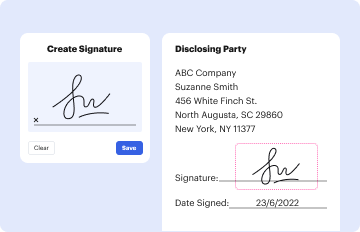
Varied signature options: Users can draw, type, or upload signature images, providing flexibility corresponding to individual preferences.
-
Audit trails: Track the form's viewing and signing process, offering transparency and accountability for all parties involved.
State-Specific Rules for the Form Online
While many elements of online forms are universal, some state-specific regulations may affect their use:
-
Tax forms might have varying requirements, such as additional disclosures or specific exemptions unique to particular states.
-
Educational and licensing forms could follow diverse guidelines, dependent on state laws concerning educational standards or professional requirements.
Understanding these local nuances is crucial, as it impacts how users perceive and implement these online form solutions.
Digital vs. Paper Version
Transitioning from paper to digital forms alters the process and perception of data handling:
-
Digital advantages: Speed, ease of access, integrated tools for editing, collaboration, and submission elevate the form handling experience.
-
Paper limitations: Difficulties with storage, retrieval, and sharing. Paper forms consume resources and time, often leading to inefficiencies.
The shift towards digital platforms is driven by user demand for efficiency, security, and ecological benefits, cementing its place as the preferred method for present-day documentation needs.