





Definition & Meaning
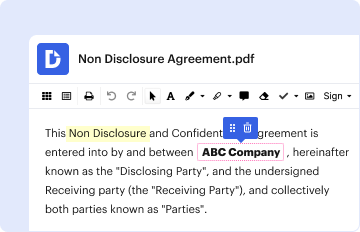
A form online is a digital version of traditional paper forms that can be filled out using an internet-connected device. These forms are designed to streamline data collection, making it easier for users to submit information without the need for physical copies. Often utilized for applications, surveys, registrations, and legal documents, online forms enhance efficiency by allowing users to input data directly into a web-based platform. Online forms can be customized to include various fields such as text inputs, checkboxes, dropdown menus, and digital signatures, which can be critical for verifying identity or consent.
How to Use the Form Online
Using an online form is a straightforward process. To begin, you need to access the platform or website hosting the form, like DocHub. The next step typically involves importing your document from your device or a connected cloud storage service. Once uploaded, navigate the form fields using a mouse or touchscreen. Use the provided tools to fill in required information, which could involve typing text, selecting options from dropdown menus, or checking boxes. Finally, review your inputs for accuracy before submitting the form through the platform. Some platforms like DocHub offer advanced features, such as adding a digital signature or sharing the form with others for collaboration.
Practical Examples
- Job Application: Fill out employment history and personal information directly into an employer's online form.
- Survey Completion: Participate in a market research survey by selecting choices and adding comments within an online form setup.
- Tax Filing: Submit tax-related details in an organized manner via an online tax form.
Steps to Complete the Form Online
- Access the Form: Go to the relevant website or platform and locate the form you need. This might involve logging into an account or selecting from a list of available forms.
- Input Personal Information: Fill in any required personal information, ensuring that all fields marked as mandatory are completed accurately.
- Provide Supporting Details: Insert additional information as prompted by the form, such as addresses, phone numbers, or financial data.
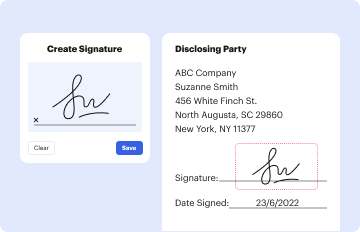
- Add Digital Signatures (if needed): Use an authentication tool like a digital signature to validate the form if required.
- Review and Modify (if necessary): Double-check for errors or missing information; make necessary modifications before proceeding.
- Submit the Form: Finalize the submission by using the on-screen button, often labeled "Submit" or "Finish."
Key Elements of the Form Online
Creating an effective online form involves understanding its essential components. Each element serves a specific function to ensure efficient data collection and processing:
- Text Fields: For inputting personalized information, such as names and addresses.
- Dropdown Menus: Provide users with a list of predefined answers for standardization.
- Checkboxes: Allow users to select multiple options simultaneously.
- Radio Buttons: Enable selection of a single option from a list.
- Signature Fields: For capturing legally binding digital signatures.
Important Terms Related to Form Online
Familiarity with certain terms is crucial when dealing with online forms. These terms aid users in understanding form functionalities and ensuring compliance:
- Digital Signature: An electronic method of signing a document, ensuring its authenticity.
- Encryption: The process of encoding information to protect sensitive data.
- Multi-factor Authentication: A security system requiring multiple verification methods for user access.
- Responsive Design: A design approach ensuring forms are accessible on both desktop and mobile devices.
- Compliance: Adhering to official guidelines and legal standards, particularly relevant in restricted data environments.
Legal Use of the Form Online
Using forms online comes with specific legal considerations, especially in contexts involving sensitive or personal information. These considerations are generally tied to compliance with data protection laws, such as the ESIGN Act, which governs the legality of electronic signatures in the United States. Legally binding agreements require proper consent and verification, often facilitated by digital signatures and secure form completion platforms like DocHub. Legal use requires that all data transferred and stored undergo encryption to prevent unauthorized access and ensure privacy.
State-Specific Rules for the Form Online
Certain forms online, especially those related to state-specific legal or tax matters, may have regulations that vary. For example, a real estate transaction in one state might require additional forms or specific language that differs from another. Understanding these state-specific nuances can prevent legal repercussions or rejections. Platforms like DocHub often provide guidelines or direct access to locale-specific versions of forms to smooth out these jurisdictional differences.
Example Variations
- Tax Forms: Different states may have varying requirements and forms for income tax filings.
- Real Estate Transactions: State laws can dictate specific disclosures or formats for real estate documents.
Software Compatibility
When completing forms online, utilizing compatible software can enhance the process. DocHub, for instance, integrates seamlessly with cloud services like Google Drive, allowing users to import and edit documents directly. Compatibility with popular software like TurboTax or QuickBooks is essential for users looking to merge form data with other financial responsibilities, ensuring a streamlined workflow across platforms.