





Definition and Meaning of Online Forms
Online forms are digital versions of traditional paper forms, designed to collect information via the internet. They are widely used across various sectors, including government, business, healthcare, and education, to streamline data collection and processing. Online forms facilitate a faster, more efficient way of gathering information, reducing the need for manual data entry and paperwork. They often include various types of fields, such as text boxes, checkboxes, radio buttons, and dropdown menus, to accommodate diverse informational needs.
How to Use Forms Online
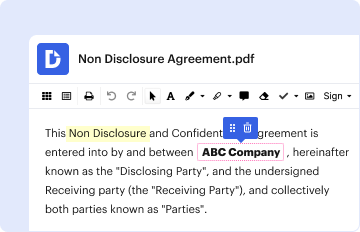
Using forms online begins with accessing the form through a web platform like DocHub, which enables users to fill out, edit, and submit forms electronically. To fill an online form, users typically start by opening the document in the web browser, ensuring that it is compatible with their software setup. This process can involve uploading a document from a computer or importing it directly from cloud storage services. Once accessed, users enter information directly into the form fields, following the prompts and instructions provided.
How to Obtain Forms Online
Obtaining forms online often involves visiting a specific website where the forms are hosted. These websites can belong to governmental agencies, businesses, or document management platforms like DocHub. Users can download the required form to their device or open it directly within an integrated platform for immediate completion. Importing documents from cloud services like Google Drive or Dropbox is also a common method, providing seamless access to essential forms without navigating through multiple websites.
Steps to Complete Forms Online
- Locate the Form: Access the required form through a designated online platform or website.
- Open the Form: Use compatible software or an online editing tool, such as DocHub, to start filling out the form.
- Fill in the Information: Enter data into the provided fields, following the instructions for each section.
- Review for Accuracy: Double-check all entered information for accuracy and completeness.
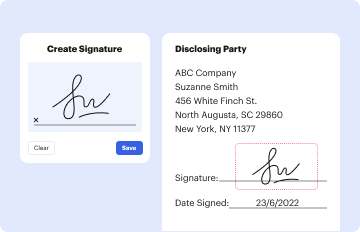
- Save and Submit: Submit the completed form directly through the platform, or save and download it for manual submission.
Why Should You Use Forms Online
Using forms online offers several advantages over paper forms, primarily related to efficiency and convenience. Online forms eliminate the need for physical storage space and increase the speed of processing. They allow for easy data manipulation and integration with other digital systems, enhancing overall productivity. Furthermore, online forms can provide immediate feedback and ensure that all required information is correctly filled before submission, reducing errors and omissions.
Who Typically Uses Forms Online
A diverse range of individuals and organizations utilize online forms, including:
- Individuals: For applications, registrations, and personal records.
- Businesses: For order processing, customer surveys, and HR documentation.
- Educational Institutions: For student enrollment and administrative records.
- Government Agencies: For applications, licenses, and public records.
Key Elements of Forms Online
Online forms consist of several key elements that make them functional and user-friendly:
- Interactive Fields: Including text boxes, dropdowns, and checkboxes to gather detailed information.
- Validation Features: Ensuring data is input correctly, with prompts for required fields.
- Submission Buttons: Allowing users to easily send their completed form to the intended recipient.
- Security Measures: Protecting data through encryption and authentication protocols.
Legal Use of Forms Online
Online forms adhere to legal standards and regulations to ensure that electronic data collection is secure and compliant. They are designed in accordance with legislation such as the ESIGN Act in the USA, which ensures that electronic signatures and forms are legally recognized. Users should always verify that the platform they use complies with relevant laws, providing assurance that their submitted information can be legally upheld in various scenarios.
State-Specific Rules for Using Forms Online
While many online forms are standardized, some are subject to state-specific regulations that affect their design and processing. These rules might pertain to how data is collected, stored, or shared under state law. Consequently, users should verify any additional requirements or conditions applicable in their specific state to ensure compliance and avoid potential penalties for improper use or misfiling of forms.